

The Spice You Already Know
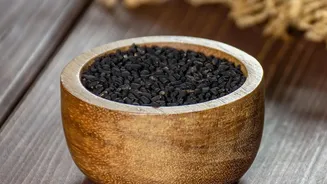
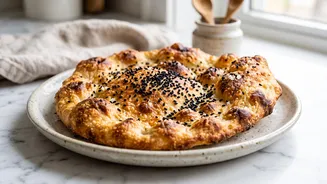
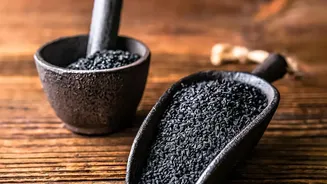
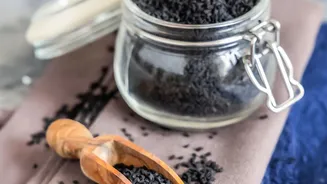
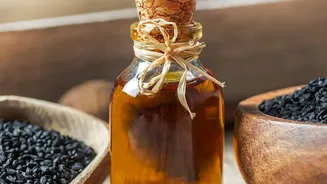
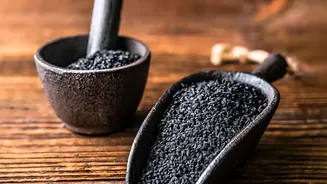
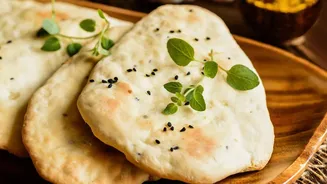
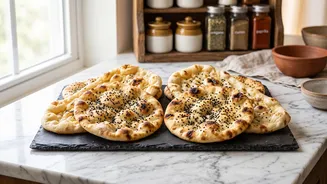
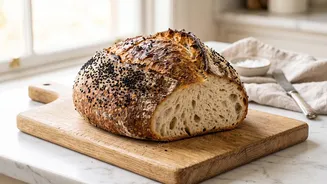
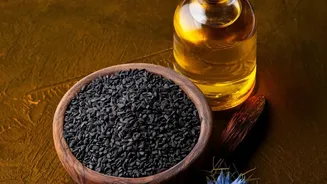
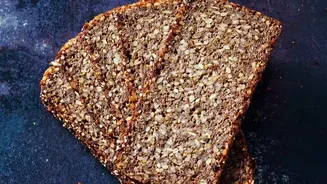
If you've ever enjoyed a fluffy piece of naan or a savoury Bengali curry, you've likely encountered nigella seeds. Often called kalonji, these small, angular black seeds are a staple in Indian and Middle Eastern cooking. Though sometimes confused with
black sesame, their flavour is entirely unique: a pungent, slightly bitter, and peppery taste with notes of onion and even oregano. While they provide a delightful crunch and visual appeal on breads, their true potential shines when they are viewed not as a topping, but as a foundational spice. Lightly toasting them in a dry pan awakens their nutty aroma, softening their sharpness and preparing them to mingle with other ingredients. This simple step transforms them from a mere decoration into a complex flavour agent ready for a starring role.
The Principle of Pairing
The key to moving nigella seeds from the crust to the core of a dish lies in pairing them with complementary herbs. Their flavour profile, which shares compounds with oregano, makes them a natural partner for many common kitchen herbs. The goal is to build layers of flavour. The warm, peppery bite of kalonji can be enhanced by earthy herbs, balanced by fresh ones, or contrasted by sweet aromatics. It’s a versatile team player, capable of adding depth without overpowering other spices in a blend like the Bengali five-spice mixture, panch phoron, where it bridges the gap between pungent mustard and sweet fennel. Understanding these relationships allows you to move beyond fixed recipes and start improvising with confidence.
Earthy and Robust Pairings
For dishes that require a deep, savoury foundation, pair nigella seeds with woody, earthy herbs. Thyme and oregano are excellent choices, as their own profiles echo the herbal notes within kalonji itself. This combination is perfect for roasted root vegetables like butternut squash or potatoes. Imagine tossing cubed potatoes with ghee, salt, nigella seeds, and a generous sprinkle of dried thyme before roasting until golden. The herbs and seeds form a fragrant crust that elevates a simple side dish. This pairing also works wonders in marinades for chicken or lamb, or baked into savoury biscuits and crackers where their robust flavours can fully bloom.
Fresh and Zesty Combinations
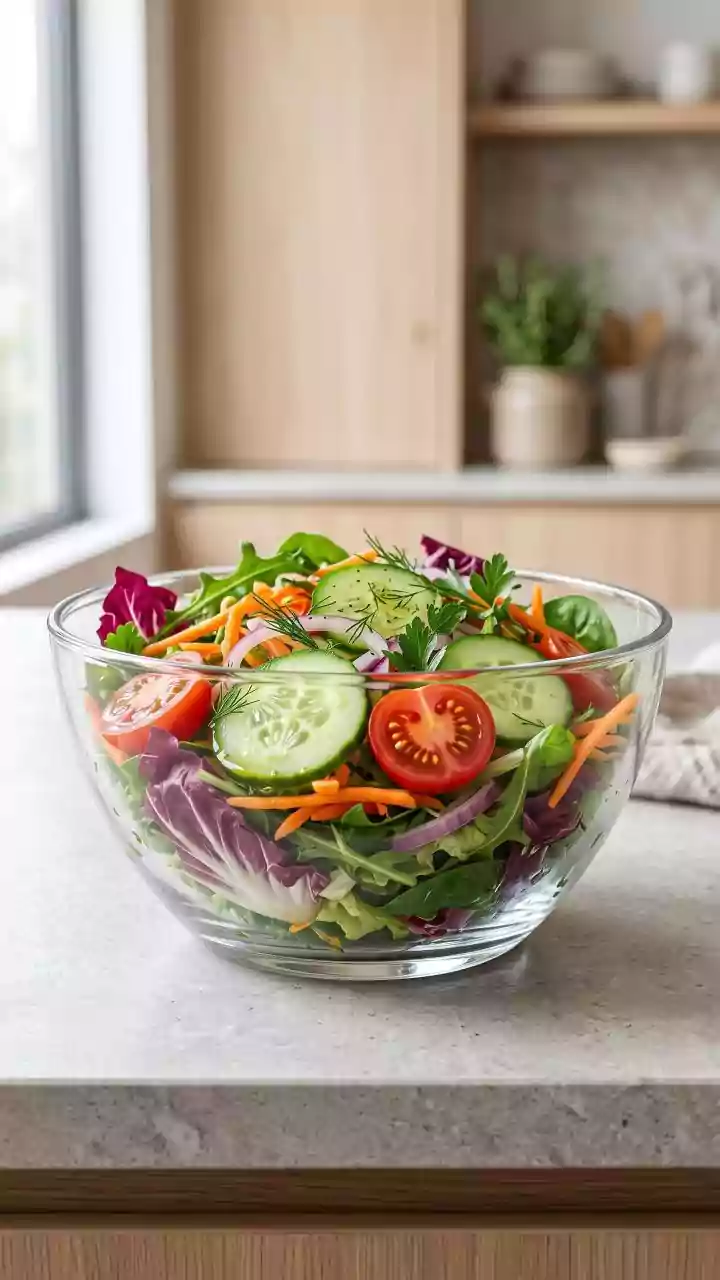
To cut through richness or add a bright, cooling counterpoint, combine nigella seeds with fresh, vibrant herbs like mint, parsley, or cilantro (coriander leaves). The peppery coolness of mint, for example, creates a fascinating contrast with the warm pungency of kalonji. This pairing shines in yogurt-based dishes like raita or labneh, where toasted nigella seeds and chopped fresh mint are stirred in for flavour and texture. A simple salad dressing of lemon juice, olive oil, and crushed nigella seeds becomes far more interesting with the addition of finely chopped parsley. Sprinkle this combination over salads, grilled halloumi, or use it to finish a lentil dal for a burst of freshness.
Putting It All to Work
The best way to get comfortable with these combinations is to try them in simple applications. Create a versatile vegetable stir-fry by first tempering nigella seeds and cumin seeds in hot oil before adding chopped vegetables and finishing with fresh mint. Make a quick pickle by tossing thinly sliced carrots with salt, lemon juice, and a warm oil infusion of mustard seeds, fennel seeds, and nigella seeds. Or, elevate a simple snack by whipping feta and yogurt with lemon juice and topping it with a generous sprinkle of nigella seeds for a crunchy, flavourful dip. These small experiments are the perfect way to train your palate and see just how versatile this humble seed can be.