




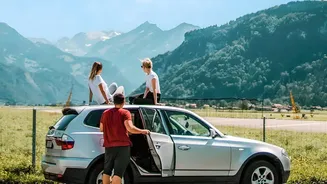
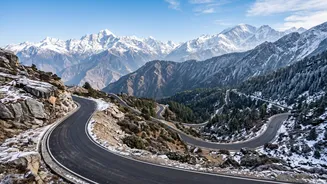
The urge to escape the city for a few days is stronger than ever. This isn't just a feeling; it's a powerful trend reshaping Indian travel, creating a surge in business for hotels, homestays, and resorts located just a drive away.
The Rise of the Drivable Getaway
The travel landscape
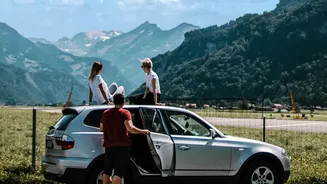
in India has fundamentally changed. The era of waiting for one long annual vacation is fading, replaced by a desire for frequent, shorter, and more accessible breaks. Several factors are fuelling this shift. The widespread adoption of remote and hybrid work models allows professionals to blend work and leisure, making a 'workcation' from a scenic location a viable option. This flexibility means travellers are no longer restricted to weekends; they can take advantage of midweek deals and extend their stays. Furthermore, there's a growing preference for the convenience and control of road trips, which avoids the complexities of air or rail travel. People are choosing to explore destinations within a few hours' drive, turning previously overlooked towns and regions into buzzing hubs for quick escapes. This behaviour is a direct evolution from post-pandemic travel habits, which prioritized safety, privacy, and destinations away from dense crowds.
Who Is Benefitting? From Homestays to Boutique Resorts
This boom is not lifting all boats equally. The biggest beneficiaries are agile and experience-focused hospitality businesses. Boutique hotels, holiday rentals, and homestays are seeing a significant surge in demand. These establishments offer the authentic, personalized experiences that modern travellers crave—something often missing in large, standardized hotels. Travellers now often choose their accommodation first, letting the stay itself define the trip. Whether it's a restored haveli, a planter's bungalow in a coffee estate, or a cottage with a mountain view, the property is the destination. Hospitality brands are responding to this trend by expanding their portfolios of boutique properties and vacation homes in destinations like Lonavala, Kasauli, Alibaug, and Coorg, which are popular for weekend trips from cities like Mumbai, Delhi, and Bengaluru.
The New Economics of Local Tourism
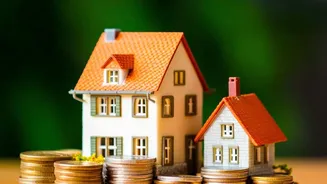
The impact extends far beyond hotel revenues. This influx of visitors creates a positive ripple effect across local economies. Restaurants, cafes, local guides, and small businesses that offer unique activities all benefit from the increased footfall. The rise of drivable tourism encourages a more distributed form of economic growth, bringing revenue into smaller towns and rural areas that might otherwise be bypassed. Moreover, the demand for unique stays is driving real estate trends, with investors repurposing old homes and heritage properties into attractive homestays and boutique hotels. This not only preserves architectural heritage but also increases property values and creates new entrepreneurial opportunities for locals, contributing to a more sustainable tourism model.
A Lasting Shift in Travel Culture
What might have seemed like a temporary reaction to the pandemic has solidified into a lasting behavioural shift. Indian travellers are increasingly value-conscious but are also willing to spend on unique experiences that align with their personal interests. The 'work from anywhere' culture is no longer a niche concept but a mainstream driver of travel decisions, with a majority of employees reporting a better work-life balance from this flexibility. Hospitality businesses are adapting by ensuring their properties are equipped with reliable Wi-Fi and comfortable workspaces, catering directly to the 'workcation' crowd. This signals that the short trip boom is not just a passing phase but a structural change in how Indians approach travel, leisure, and work.