






What Exactly is Kanji?
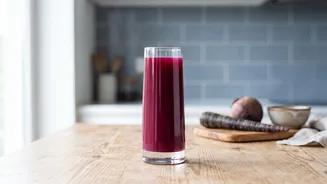
Kanji is a traditional fermented beverage, popular in North India, especially during the winter months and the festival of Holi. At its heart, it's a simple concoction made from just a few ingredients: black carrots (kali gajar), water, salt, and coarsely
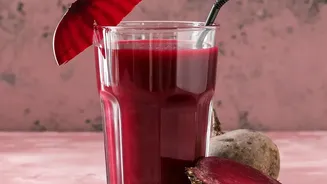
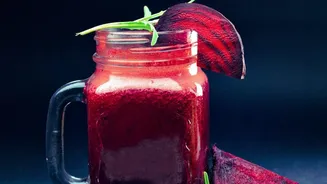
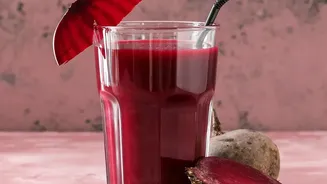
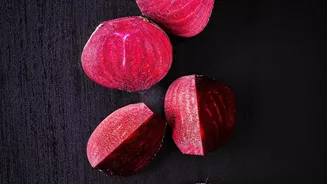
ground mustard seeds. When black carrots aren't available, a combination of red carrots and beetroot is commonly used to achieve its signature deep purple-pink hue and earthy sweetness. The mixture is placed in a glass or ceramic jar and left to ferment in the sun for several days. This natural process transforms the simple drink into a tangy, savoury, and slightly pungent beverage brimming with beneficial microbes.
A Probiotic Powerhouse for Gut Health
The magic of Kanji lies in its fermentation. The process, driven by the mustard seeds and naturally present yeasts, creates a wealth of lactic acid bacteria, which are probiotics. These are the 'good' bacteria that are crucial for a healthy digestive system. Regular consumption of Kanji can help balance your gut microbiome, which aids digestion, improves nutrient absorption, and can alleviate issues like bloating and constipation. Scientific analysis has confirmed that Kanji is a promising plant-based alternative to dairy probiotics like yogurt or kefir, making it an excellent option for those following a vegan diet.
More Than Just Probiotics
Beyond its benefits for gut health, Kanji is a nutritional treasure. Black carrots, the traditional star ingredient, are packed with anthocyanins—powerful antioxidants that give them their dark color and help fight inflammation and cellular damage. Carrots and beetroot both contribute vitamins A, C, and K, as well as essential minerals like potassium and iron. This nutrient profile means Kanji can help boost your immune system, support liver function by helping to flush out toxins, and even contribute to healthier skin. Because it's low in calories and high in fiber, it can also aid in weight management by promoting a feeling of fullness.
From Family Tradition to Urban Trend
For generations, Kanji was a drink made at home, a seasonal ritual passed down through families. Today, it's experiencing a significant revival, driven by a growing wellness movement and a renewed interest in traditional Indian foods. As urban consumers move away from sugary, processed drinks and seek out natural, functional beverages, Kanji fits the bill perfectly. It's India's answer to the global kombucha craze, offering an authentic, culturally rooted alternative. You can now find it appearing on menus in trendy cafes and being discussed in wellness circles as a key to digestive health.
Your Guide to Making Kanji at Home
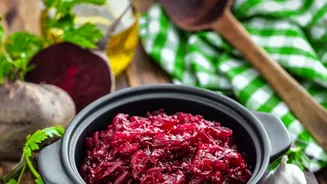
Making your own Kanji is surprisingly simple. You'll need a large, clean glass jar to get started. Ingredients: - 500g black carrots (or 400g red carrots and 100g beetroot) - 2 tablespoons coarsely ground mustard seeds - 1-2 teaspoons black salt (kala namak) - Salt to taste - 2 litres of filtered water Method: 1. Wash, peel, and cut the carrots and beetroot into long, finger-like sticks. 2. Place the vegetable sticks into your glass jar. 3. Add the ground mustard seeds, black salt, and regular salt. 4. Pour in the water, ensuring the vegetables are fully submerged. Stir well with a clean spoon to dissolve the salt. 5. Cover the jar with a lid or a piece of muslin cloth and place it in a sunny spot for 3 to 5 days. 6. Stir the mixture once a day with a clean, dry spoon. 7. After 3 days, start tasting the liquid. It's ready when it has a pleasantly sour and tangy flavour. The colour will be a deep, vibrant purple. Once fermented, store the Kanji in the refrigerator to chill and enjoy for the next few days. The pickled vegetables can be eaten as well.