




The Comfort of a Green Nook
There's a unique sense of peace that comes from being surrounded by plants, especially during the rains. The simple act of caring for a garden—watering, pruning, and watching things grow—can be a powerful stress reliever. Studies have shown that gardening
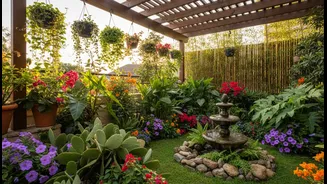
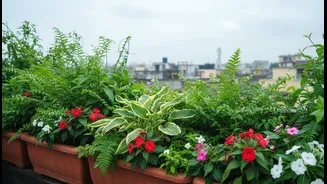
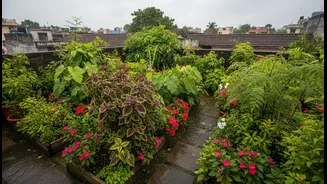
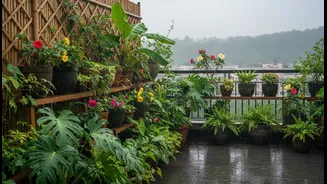
reduces stress, improves mood, and provides a gentle form of exercise. Creating a small green corner on your terrace gives you a space to disconnect from screens and reconnect with nature. The routine of tending to plants provides structure and a sense of accomplishment. Imagine sipping your morning tea amidst fragrant jasmine and lush foliage, with the scent of rain-soaked earth filling the air. This sensory experience helps ground you in the present moment, promoting mindfulness and calm.
A Natural Air Conditioner
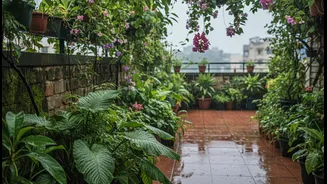
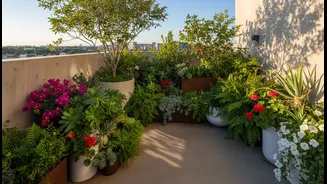
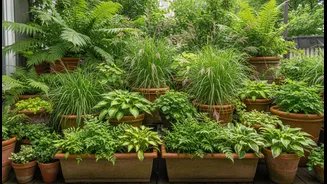
A green terrace does more than just look cool—it literally is. Plants create a cooler microclimate through a process called transpiration. They absorb water through their roots and release it as vapor from their leaves, a process which naturally pulls heat from the surrounding air. Homes with surrounding vegetation can use significantly less energy for cooling. Plants with dense foliage, like ferns and passionflower vines, are particularly effective. They also provide shade, preventing concrete surfaces from absorbing and radiating heat. By covering a wall with a climber or grouping several large-leafed plants, you can noticeably lower the temperature on your terrace, making it a more pleasant place to be even on humid days.
Choosing Your Low-Maintenance Monsoon Stars
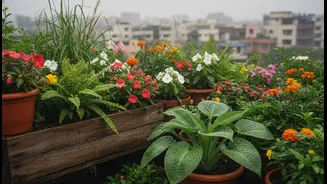
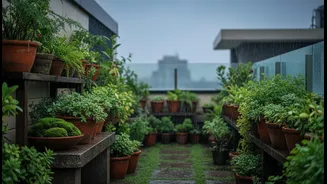
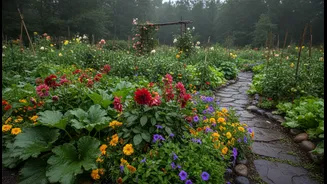
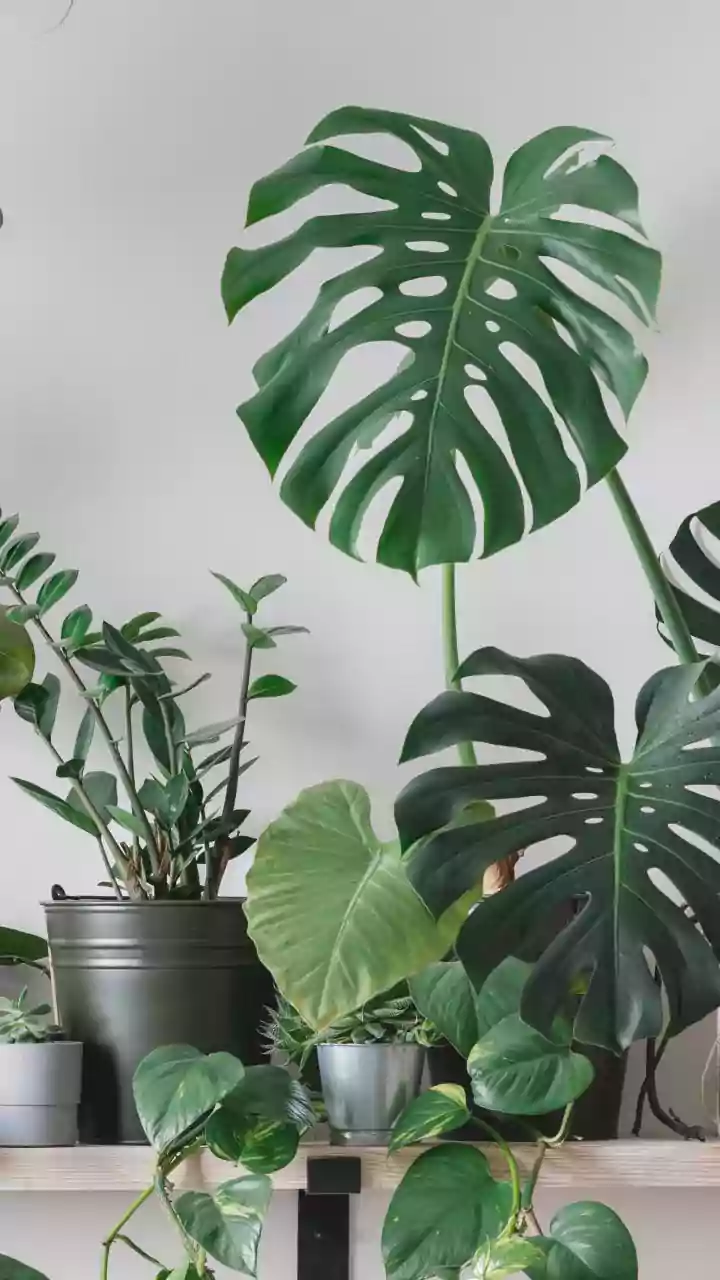
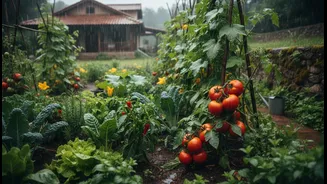
The key to an enjoyable monsoon garden is choosing plants that thrive in humidity and rain without demanding constant attention. Fortunately, many tropical plants love this season. For vibrant flowers, consider hibiscus, bougainvillea, periwinkle, and marigolds, all of which handle rains well provided they have good drainage. Fragrant options like jasmine (mogra) and plumeria (champa) flourish in the monsoon humidity, filling your space with delightful scents. For lush greenery, opt for hardy choices like snake plants, money plants (pothos), and ZZ plants. If you have a bit more space, you can even grow monsoon-friendly vegetables and herbs like amaranth, yardlong beans, ginger, turmeric, and mint. These plants are adapted to the Indian climate and will grow vigorously during the rains with minimal fuss.
Monsoon Garden Care: Less Is More
Gardening in the monsoon is less about watering and more about managing excess moisture. The single most important factor is drainage. Ensure all your pots have drainage holes and elevate them on bricks or stands to prevent waterlogging, which can lead to root rot. On days with heavy rain, skip watering altogether. Always check if the top inch of soil is dry before you even consider it. High humidity can also encourage fungal diseases and pests. To prevent this, ensure good air circulation by not crowding your plants. Regularly remove any yellow or dead leaves, and consider a preventive spray of diluted neem oil every 10-14 days. Finally, prune your plants to remove damaged growth and encourage healthy new shoots that are more resilient to wind and rain.