





The Indian traveller is evolving. No longer satisfied with just sightseeing, there's a growing desire for deeper, more authentic experiences. This shift is fuelling a travel boom where the choice of stay is as important as the destination itself.
From Hotel Rooms to Family Homes
For years,
travel accommodation meant a sterile hotel room, identical from one city to the next. While comfortable, it created a barrier between the traveller and the true essence of a place. Today, a growing number of Indian travellers are swapping generic lobbies for the warmth of a family home. Homestays offer an antidote to this impersonal model. Instead of a concierge, you have a host; instead of a buffet, you have home-cooked meals. This model, which allows guests to stay with a local family, is surging in popularity because it provides an unfiltered window into the daily life and culture of a destination. It's a move away from passive observation towards active participation, transforming a simple holiday into a rich cultural exchange.
The Hearth as a Storytelling Circle
One of the most powerful ways homestays facilitate cultural connection is through storytelling. India has a rich and diverse oral tradition, with every region boasting its own styles, from the 'Villu Paatu' (bow song) of Tamil Nadu to the 'Kavad' portable shrines of Rajasthan. While these ancient art forms are often performed at festivals, the homestay environment creates an informal, intimate setting for the preservation of local lore. Over a cup of tea or a shared meal, hosts often share family histories, community myths, and legends about the surrounding landscape. These are the stories you won't find in any guidebook. They are personal, deeply rooted in place, and passed down through generations, offering guests an invaluable insight into the local worldview.
Living the Lore, Not Just Hearing It
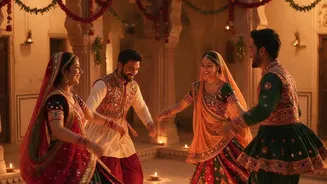
Folklore isn't just about stories; it's a living, breathing part of culture expressed through rituals, festivals, and daily customs. Staying in a homestay often gives travellers a front-row seat to these traditions. Hosts may invite guests to participate in local ceremonies or explain the significance of daily rituals, transforming abstract cultural knowledge into a tangible experience. Attending a local festival like Losar in the Himalayas or a small temple ceremony in the South becomes a far more immersive experience when your host can explain the customs and their meanings. This participation allows travellers to understand that folklore is not a relic of the past but an active component of contemporary community life.
A Taste of Tradition and Myth
Food is a universal language, and in India, it's also a vessel for stories. Many regional dishes are tied to specific festivals, myths, or seasonal rites. A homestay kitchen is the best place to explore this connection. Here, guests can learn not just how to cook a traditional dish, but also the story behind it—why a certain sweet is made for a particular festival, or why a specific combination of spices is used. This culinary education goes beyond a simple cooking class; it's a sensory journey into the heart of a culture. Hosts share generational recipes and the folklore woven into them, offering a taste of the region's history and beliefs with every bite.
The Modern Quest for Authenticity
The rise of homestays reflects a broader trend among modern Indian travellers: a search for authenticity in an increasingly homogenised world. After years of checklist tourism, many are seeking more meaningful connections with the places they visit. This desire for 'experiential tourism' is about engaging with a destination on its own terms. Homestays directly answer this call by providing a platform for genuine human connection and cultural exchange. They support local economies and encourage sustainable tourism by empowering micro-entrepreneurs and preserving local heritage. For the traveller, the reward is a richer, more memorable journey that fosters a genuine understanding of India's incredible diversity.