







Decoding the Colours of Caution
The India Meteorological Department (IMD) uses a colour-coded system to issue weather warnings. Understanding these is the first step to smarter travel. A 'Green' alert means no severe weather is expected. 'Yellow' means 'Be Aware'; it signals the potential
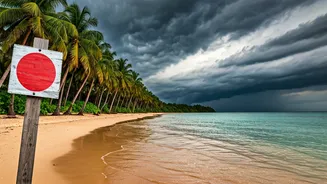
for bad weather that could disrupt daily activities. An 'Orange' alert, or 'Be Prepared', is more serious, warning of extremely bad weather that could damage infrastructure and interrupt travel. The highest level, a 'Red' alert, means 'Take Action'. This is issued when severe weather is expected to cause significant disruption and threat to life, and authorities advise against travel to affected areas. As of early July 2026, heavy rainfall has triggered alerts across several Northeastern states, including Assam and Arunachal Pradesh.
Beyond Rainfall: River and Landslide Risks
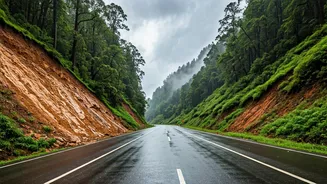
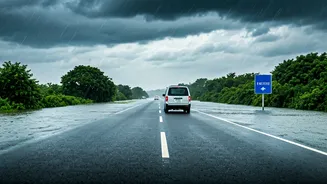
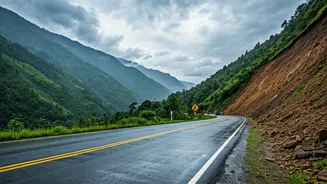
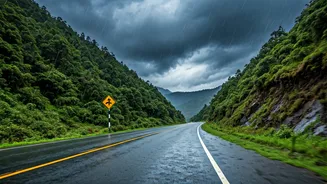
Flood alerts are not just about rain. The Central Water Commission (CWC) issues specific forecasts for river levels. Their alerts indicate when a river is flowing above its normal level ('Above Normal'), nearing its danger mark ('Severe Flood'), or has crossed the highest recorded flood level ('Extreme Flood'). These are critical in a region crisscrossed by mighty rivers like the Brahmaputra, which often swells dangerously during the monsoon. Furthermore, incessant rain saturates the soil in hilly areas, leading to landslides. These can block crucial transport arteries for days. In late June and early July 2026, landslides have already snapped vital road links between Assam and Arunachal Pradesh, such as on NH-315A, leaving travellers stranded and cutting off districts.
Your Monsoon Travel Safety Checklist
Interpreting alerts is one thing; acting on them is another. Before and during your trip, build in buffer days, as delays are common. Download reliable weather apps and regularly check updates from the IMD and state disaster management authorities. Pack essentials like a waterproof jacket, quick-drying clothes, and a waterproof cover for your bag and electronics. Always keep an emergency kit with basic first aid, medications, a power bank, and dry food. Most importantly, communicate your itinerary with family or friends. Given the current situation, with over 45,000 people affected in Assam and significant disruptions in Arunachal Pradesh, this is not the time for spontaneous, off-the-grid exploration.
When to Postpone, When to Proceed
So, should you cancel your trip? An Orange or Red alert for your destination or key transit routes is a strong signal to postpone. Widespread flooding and landslides, like those currently affecting at least six districts in Assam and twelve in Arunachal Pradesh, make travel unpredictable and unsafe. Train services have been suspended on some routes due to bridge damage, and major highways have been closed. If you are already in the region, avoid travel, especially at night, and heed local advice. For those with future bookings, monitor the situation closely. If alerts downgrade to Yellow, travel might be possible but requires extreme caution. Always double the estimated travel time and prioritize staying in well-connected areas over remote ones.
The Power of Local Information
Official forecasts provide a regional overview, but on-the-ground conditions can change in minutes. Your most valuable resource is often local knowledge. Before starting a road journey, speak to your hotel staff, local drivers, and check local news channels for real-time updates on road blockages or flash floods. They will know which routes are safe and which are prone to landslides or waterlogging. This local intelligence is the final, crucial piece of the puzzle in 'smarter travel reading'. It helps you translate a broad weather warning into a specific, actionable decision for your immediate journey, ensuring you don't drive towards a recently blocked road that hasn't yet made it into an official bulletin.