








Why the Monsoon Magnifies Health Risks
The magic of the monsoon is accompanied by a significant environmental shift. The spike in humidity creates the perfect breeding ground for bacteria, viruses, and fungi. High moisture levels in the air prevent sweat from evaporating, leaving skin damp
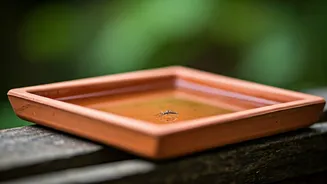
and vulnerable. This dampness, combined with stagnant water from rain, encourages the proliferation of germs on surfaces, in our food, and on our bodies. This is why diseases like cholera, typhoid, dengue, and malaria, as well as numerous skin infections, see a sharp rise during these months. The combination of high humidity and logged water creates an ideal environment for mosquitoes to breed, increasing the risk of vector-borne diseases.
Upgrade Your Personal Hygiene Routine
During the monsoon, your standard hygiene practices need an upgrade. High humidity makes fungal and bacterial skin infections incredibly common, particularly in skin folds, underarms, and feet. It's crucial to bathe daily, and perhaps twice if you sweat heavily, to remove grime and germs. Pay special attention to drying yourself thoroughly, especially between your toes and in other areas prone to moisture. If you get caught in the rain, change out of wet clothes immediately. Wearing breathable cotton fabrics can help reduce sweat and allow for better air circulation. Foot care is especially vital; wash and dry your feet as soon as you get home to prevent infections.
Prioritise Food and Water Safety
The risk of consuming contaminated food and water skyrockets during the rainy season, making water-borne diseases like gastroenteritis, cholera, and hepatitis A more prevalent. It is safest to drink only boiled or properly filtered water. Be extra cautious with street food, as the water used and the damp environment can lead to contamination. It's best to eat fresh, home-cooked meals. Wash all fruits and vegetables thoroughly with clean water before consumption; soaking them in salt water can provide an extra layer of cleaning. Avoid eating raw salads unless prepared at home with produce that has been meticulously cleaned. Food tends to spoil faster in humid weather, so avoid leftovers or make sure to reheat them thoroughly.
Keep Your Living Space Clean and Dry
Your home can become a sanctuary for germs during the monsoon if not managed properly. Dampness can lead to the growth of mould and mildew, which can trigger allergies and respiratory issues. Ensure your home is well-ventilated to reduce indoor humidity. Regularly clean and disinfect surfaces, especially in the kitchen and bathrooms. A critical task is to prevent stagnant water from collecting in and around your home. Empty coolers, plant pots, and any other containers where water can accumulate to prevent mosquitoes from breeding. Using mosquito nets and repellents is also a wise precaution.
Manage Laundry and Clothing Care
Drying clothes during the monsoon can be a frustrating task, but it's an important one for hygiene. Damp clothes and towels are prime environments for fungal growth, leading to skin irritation and musty smells. If possible, iron clothes when they are slightly damp to help them dry completely and kill any remaining microbes. If you have access to a dryer, use it. Otherwise, hang clothes in a well-ventilated indoor area, ensuring there is space between items for air to circulate. Don't leave wet clothes in a pile, and never share towels, as this can easily spread infections.