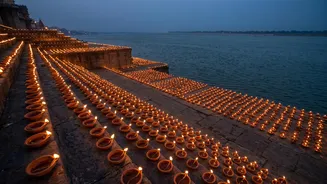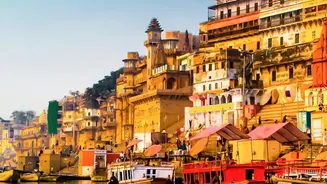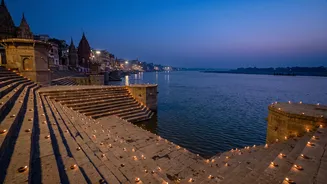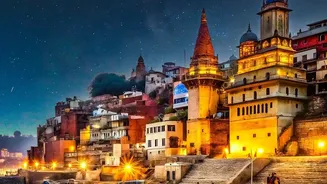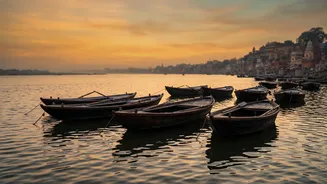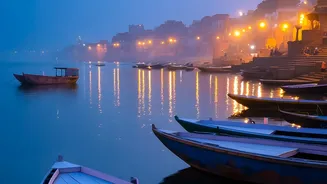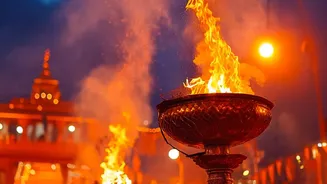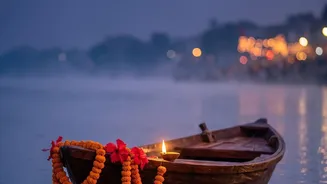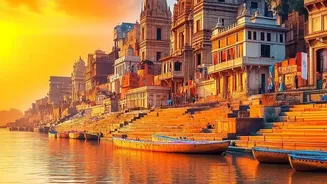



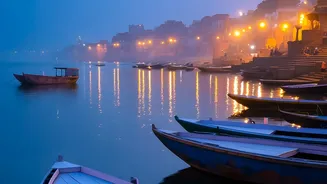
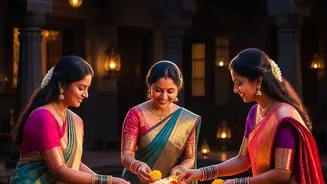
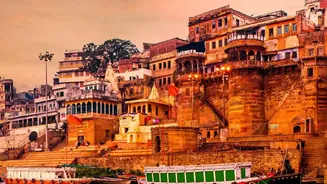
As millions of diyas prepare to line the ghats of Varanasi for Dev Deepawali, another sensory experience awakens. The city's air, already thick with devotion, fills with the sweet aroma of ghee, sugar, and spices from its bustling kitchens.
A River of a Million Lights
Celebrated
on Kartik Purnima, the full moon night fifteen days after Diwali, Dev Deepawali is when Varanasi truly becomes the 'City of Lights'. This year, on November 24, 2026, millions of earthen lamps will illuminate all 84 ghats, transforming the riverfront into a celestial pathway. The festival commemorates Lord Shiva's victory over the demon Tripurasura, and it is believed that on this night, the gods themselves descend to Earth to bathe in the holy Ganges. This belief transforms the city; ghats are scrubbed, grand aartis are performed at Dashashwamedh Ghat, and an electric spiritual energy envelops everything. But beyond the breathtaking visuals, the festival announces itself through its distinct flavours, as the city's culinary soul shifts gears for the divine celebration.
From Daily Kachori to Festive Mithai
On a normal day, the lanes of Varanasi are a haven for savoury street food lovers. The morning starts with crisp kachori sabzi, and the day unfolds with tangy tamatar chaat and wholesome baati chokha. But as Dev Deepawali approaches, a noticeable transformation takes place. While these daily staples remain, the focus of halwais (traditional sweet makers) and street vendors pivots dramatically towards mithai. The preparations are not just for the locals but also for the thousands of pilgrims and tourists who flock to the city. Sharing sweets is an integral part of Indian festivals, symbolising joy, gratitude, and goodwill. In Varanasi, this tradition takes on a special significance, as food becomes an offering, a celebration, and an inseparable part of the spiritual experience.
The Confections of Kartik Purnima
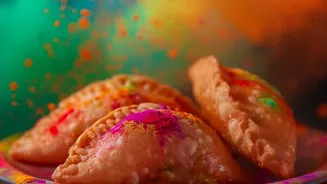
Several sweets are synonymous with Varanasi, but some are especially sought after during the festive winter season. The most iconic is Malaiyyo, an ethereal, cloud-like dessert made from milk froth that is collected under the night dew. Available only in the winter months, this saffron-flavoured foam is so delicate it dissolves instantly on the tongue. Another festive staple is Launglata, a crispy pastry parcel stuffed with khoya and nuts, sealed with a clove (laung), deep-fried, and soaked in sugar syrup. You will also find shops laden with Lal Peda, a regional specialty known for its reddish-brown colour and rich, caramelised milk flavour, and Malai Gilori, a delicate sweet shaped like a paan. These traditional sweets, far from the mass-produced confectioneries, offer a taste of the city's authentic culinary heritage.
The Halwai’s Art and the Bustling Markets
Behind the gleaming displays in sweet shops lies hours of meticulous preparation. The halwais of Varanasi are artisans, and for Dev Deepawali, their kitchens work overtime. Large kadhais (woks) bubble with milk reducing for rabri or khoya, the base for many sweets like Kalakand and Peda. The air is fragrant with cardamom and saffron. The markets near the ghats and in the old city become even more crowded, with stalls selling not just diyas and flowers but also freshly fried jalebis and stacks of sticky, sweet mithai. For many local businesses, this is one of the busiest times of the year. They are not just selling sweets; they are providing a taste of tradition, a comforting flavour that completes the festive experience for both residents and visitors.
A Taste of Tradition for Every Visitor
For the countless visitors who navigate the crowded lanes to witness the grandeur of Dev Deepawali, the food is as much a part of the memory as the million flickering lights. Enjoying a hot, sweet beverage like thandai or a bowl of creamy rabri on a cool November evening becomes a cherished ritual. Eating Malaiyyo from a kulhad (earthen cup) in the early morning is considered an essential Banarasi experience. The food scene offers a direct connection to the city's culture, where every dish has a story. It's a culinary landscape where ancient recipes thrive alongside everyday snacks, providing sustenance and delight to the river of humanity that flows through Varanasi's ghats on this divine night.