





Beyond the Basic Latte
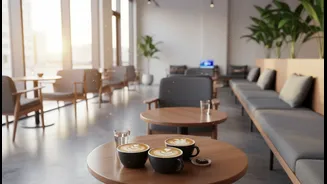
Independent cafés across India's metropolitan hubs are moving past the standard caramel lattes and saccharine coolers. They are embracing a new arsenal of flavours: low-sugar craft botanicals. These are not the artificially flavoured syrups of old, but
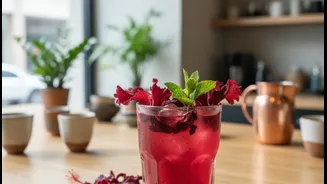
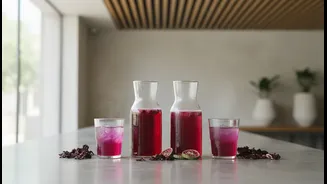
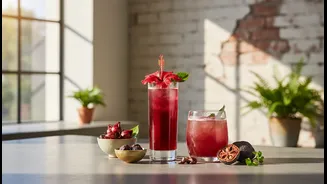
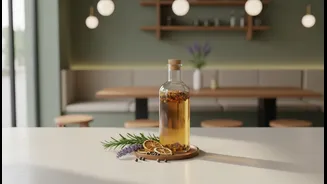
rather nuanced infusions, syrups, and garnishes derived from flowers, herbs, spices, and roots. Think lavender-infused iced teas, hibiscus-laced sparkling water, and coolers featuring traditional Indian ingredients like tulsi and kokum in modern formats. These botanicals offer complex, aromatic, and often subtle flavours that appeal to a more discerning palate, transforming a simple beverage into a premium experience. The process often involves creating house-made simple syrups by steeping ingredients like dried lavender, rose petals, or rosemary in water and a sweetener, allowing for full control over sugar content and flavour intensity.
The Health-Conscious Consumer
This menu evolution is a direct response to a massive shift in consumer behaviour. Urban Indians, particularly in cities like Mumbai, Delhi, and Bengaluru, are increasingly health-conscious. The demand for beverages that offer wellness benefits beyond simple refreshment is surging, creating a booming market for healthy drinks, which was valued at over USD 10 billion in 2025. This trend is driven by a desire to reduce sugar intake, avoid lifestyle-related diseases, and incorporate natural, functional ingredients into daily routines. Functional beverages that promise benefits like relaxation, improved digestion, or an immunity boost are finding a dedicated audience. This has led to a mass move away from traditional high-sugar soft drinks and toward alternatives like botanical waters and herbal infusions.
A Strategy for Standing Out
For independent cafés, the botanical trend is more than just a nod to wellness; it's a powerful business strategy. In a market where large domestic and international coffee chains compete on price and scale, smaller players must differentiate through quality, creativity, and a unique customer experience. Crafting a signature drink menu with house-made botanical syrups allows them to offer something that cannot be easily replicated. It positions the café as a premium, artisanal brand that is in tune with modern consumer values. This focus on unique, non-alcoholic beverages is becoming so significant that industry awards are now recognizing excellence in non-alcoholic cocktail menus, highlighting their growing importance.
From Garden to Glass
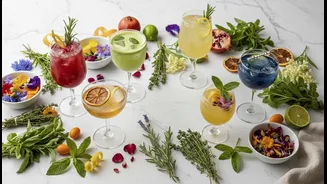
The range of botanicals being used is vast and varied. Floral notes like lavender, rose, and elderflower are popular for their delicate, aromatic qualities, often appearing in lattes and lemonades. Hibiscus, with its tart, berry-like flavour and vibrant colour, is a favourite for teas and sparkling coolers. Cafés are also modernizing traditional Indian ingredients. Ayurvedic staples such as ashwagandha, turmeric, and tulsi are being incorporated into ready-to-drink formats and café-made concoctions, blending cultural relevance with contemporary health trends. This allows for creative pairings, like a calming lavender latte, a zesty hibiscus ginger soda, or a revitalising tulsi and mint iced tea.
The Bottom Line for Cafés
Adopting a low-sugar, botanical-forward menu can have a significant positive impact on a café's bottom line. These premium, crafted beverages command higher price points than standard sodas or juices, boosting profit margins. The perception of offering healthier, more thoughtful products enhances brand image and fosters customer loyalty among the growing demographic of wellness-focused consumers. Furthermore, the visual appeal of these drinks—often garnished with edible flowers or featuring bright, natural colours—makes them highly shareable on social media, generating organic marketing. It’s a win-win: customers get delicious, guilt-free drinks that align with their lifestyle goals, and cafés gain a competitive edge in a crowded marketplace.