

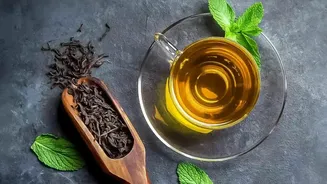
Understanding Orthodox Single-Estate Tea
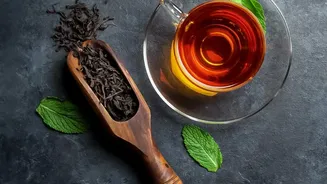
Before diving into the cold method, it’s important to know what makes these teas special. 'Orthodox' refers to the traditional, centuries-old method of processing tea. Unlike the common CTC (Crush, Tear, Curl) method that creates small, granular tea for teabags,
the orthodox process is slower and more deliberate. It involves carefully hand-plucking the tender 'two leaves and a bud', gently withering them to reduce moisture, rolling them to release essential oils, allowing them to oxidise to develop flavour, and finally drying them. This artisanal approach keeps the leaf whole and preserves its delicate, complex character. When this tea comes from a 'single estate', it means every leaf was grown in one specific garden, like those in Darjeeling or the Nilgiris, reflecting a unique terroir and flavour profile.
The Chill Factor: What is Cold Infusion?
Typically, the term 'cold infusion' or 'cold brew' refers to steeping tea leaves in cold water for several hours. This slow, gentle process is a method of preparation. However, when applied to 'processing', it signals an innovative step during the tea's creation. While not yet a mainstream industrial method, artisanal producers use cold-water or chilled-air techniques at critical stages, such as withering or rolling, to fundamentally alter the leaf's chemistry before it's even dried. The core principle remains the same: using time instead of heat. By avoiding high temperatures that can damage delicate compounds, this method aims to preserve the most fragile and aromatic elements within the tea leaf from the very beginning.
The Science of Softer Flavours
The magic of cold infusion lies in its selective extraction. Hot water is an aggressive solvent, quickly pulling out all compounds from the tea leaf, including tannins and catechins, which are responsible for bitterness and astringency. Cold water, on the other hand, works slowly and gently. It significantly reduces the extraction of these bitter-tasting tannins. Simultaneously, it is highly effective at drawing out other desirable compounds. Research has shown that cold water can extract more free amino acids, which contribute to the tea's natural sweetness and savoury 'umami' notes. It also preserves volatile aromatic compounds that are often lost as steam in hot brewing. The result is a brew that is naturally sweeter, smoother, and less bitter.
Unlocking a Botanical Symphony
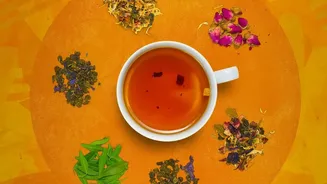
This gentle process is particularly effective for enhancing 'botanical' flavours—the subtle floral, fruity, and herbaceous notes inherent in high-quality tea leaves. Heat can overwhelm or even destroy these delicate characteristics. By using a cold process, producers can lock in these nuanced aromas and tastes. Imagine a high-grown Nilgiri tea; instead of a brisk, sharp profile, a cold-processed version might reveal softer notes of orchid and honey that were previously hidden. For single-estate orthodox teas, where the goal is to showcase the unique character of the leaf, this method offers a way to present a different, more refined expression of its terroir. It allows the most delicate aspects of the plant's profile to come forward, creating a layered and complex cup.
The Perfect Match for Premium Leaves
Cold infusion processing is not for every tea. It is a resource-intensive method best suited for high-quality, whole leaves where there is a spectrum of delicate flavours to protect. This makes it a perfect partner for single-estate orthodox teas. These teas are prized for their complexity, which comes from the unique soil, climate, and altitude of their specific garden. Using a gentle, cold processing technique ensures that this investment in quality at the cultivation stage is not lost during manufacturing. It allows the tea maker to highlight the leaf’s natural sweetness and aromatic subtleties, offering a distinct and premium experience that justifies the meticulous effort from pluck to cup.