

The Core Regulation: GRAP and Emission Norms
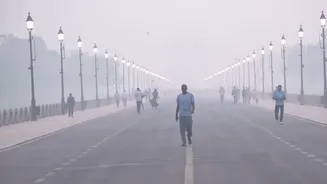
The primary tool used to combat seasonal pollution is the Graded Response Action Plan (GRAP), a set of emergency measures enforced by the Commission for Air Quality Management (CAQM). These measures are activated in stages based on the Air Quality Index
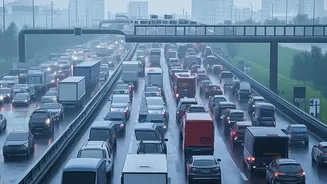
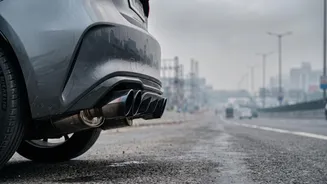
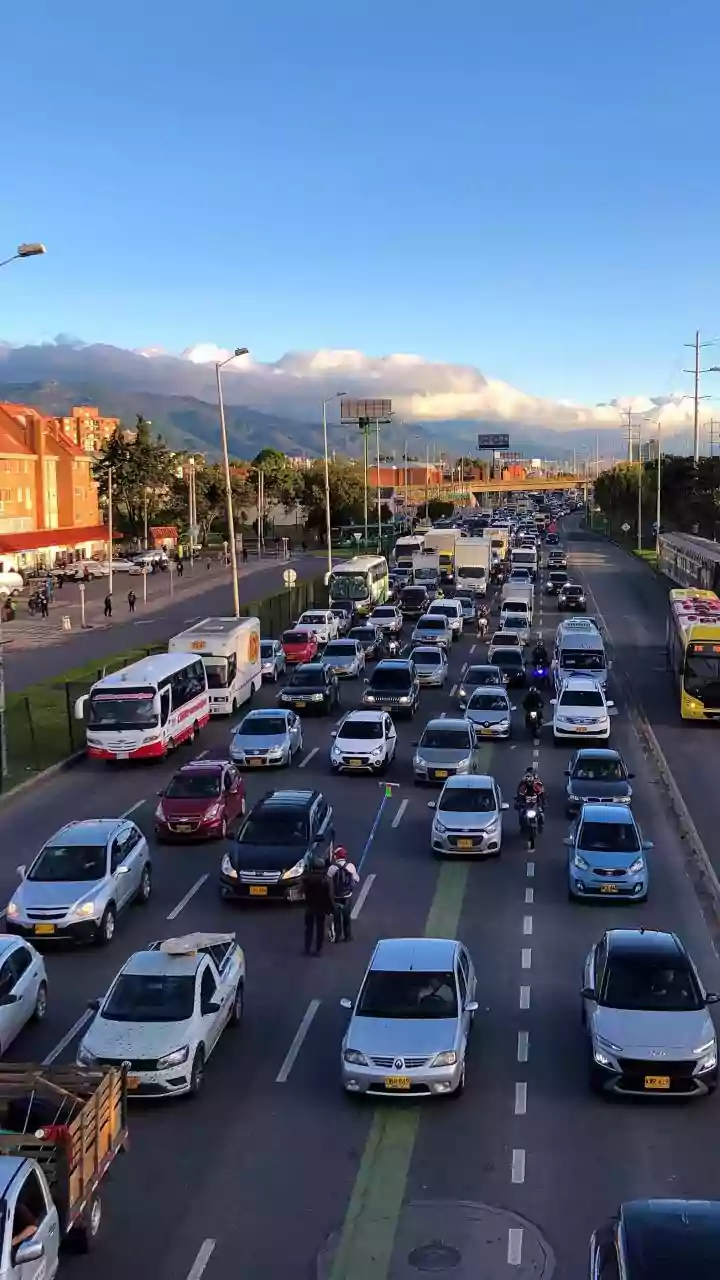
(AQI). A major component of GRAP involves restricting vehicles based on their emission standards, known as Bharat Stage (BS) norms. The focus is on older, more polluting vehicles, which significantly contribute to the toxic air. When pollution levels become 'Severe' or 'Severe+', stringent curbs are placed on specific categories of vehicles, irrespective of whether they are registered in Delhi or another state.
Which Vehicles Are Banned?
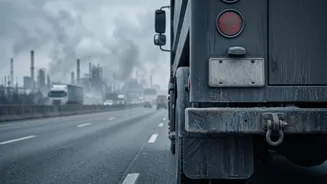
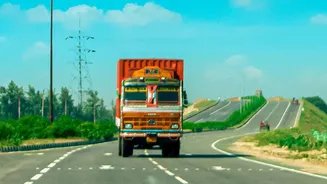
The restrictions primarily target older petrol and diesel vehicles. Under GRAP Stage III (AQI between 401-450), BS-III petrol and BS-IV diesel four-wheelers are typically banned from the roads of Delhi and neighbouring cities like Gurugram, Faridabad, Ghaziabad, and Gautam Buddh Nagar. When the situation deteriorates to GRAP Stage IV (AQI above 450), the rules become even stricter. This can include a ban on all trucks entering Delhi (except those carrying essential goods or running on cleaner fuels) and restrictions on all BS-IV diesel vehicles. Furthermore, as part of a separate Winter Action Plan, Delhi often implements a blanket ban on the entry of all non-BS-VI compliant vehicles registered outside the city, a rule scheduled to be in effect from November 1, 2026.
Focus on Outstation Vehicles
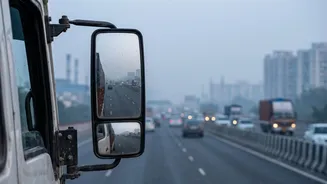
While the BS-norm-based bans apply to all vehicles plying in the NCR, enforcement is particularly strict at the borders. This is why it is often perceived as a rule targeting 'outstation' traffic. Enforcement teams from the Transport Department and Delhi Traffic Police set up checkpoints at all major entry points to the city. They check for emission standards and valid Pollution Under Control (PUC) certificates. Vehicles that do not comply are either turned back or issued a challan on the spot. For commercial vehicles, the rules are even tighter; many categories of diesel goods vehicles registered outside Delhi are barred from entry unless they are BS-VI compliant or carrying essential commodities.
Exemptions to the Rule
Not all vehicles are barred. There are critical exemptions to ensure essential services are not disrupted. Vehicles allowed to operate regardless of the restrictions typically include those running on cleaner fuels like CNG, LNG, and electricity. Additionally, all vehicles compliant with the latest BS-VI emission standards are exempt from these bans. Emergency service vehicles, such as ambulances and fire trucks, and those carrying essential goods (as defined by the government) are also permitted to ply. However, exemptions for goods vehicles have been tightened, and older BS-IV vehicles carrying essentials may no longer be exempt under the strictest GRAP stages.
Penalties for Non-Compliance
Ignoring these restrictions can result in significant financial penalties. Driving a banned vehicle, such as a BS-III petrol or BS-IV diesel car during a GRAP-related restriction, can attract a hefty fine of ₹20,000 under the Motor Vehicles Act. In addition to the fine, vehicles may also be impounded by the authorities. Separately, not having a valid Pollution Under Control (PUC) certificate is another offence that can lead to a fine of ₹10,000. To enforce this, a 'No PUC, No Fuel' policy is also in effect, where petrol pumps can refuse to sell fuel to vehicles without a valid certificate.