




Know Your Modak, Know Your Storage
Not all modaks are created equal, and their shelf life depends almost entirely on their ingredients and cooking method. Before you decide how to store your festive treats, you need to identify which type you have. The three most common varieties—steamed,
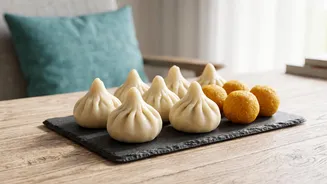
fried, and mawa—each have very different storage needs. Steamed modaks are delicate and moist, making them highly perishable. Fried modaks, with their crispy shells, last much longer. Mawa modaks, made from milk solids, fall somewhere in between but require refrigeration due to their dairy content. Understanding these differences is the first step to preventing your prasad from spoiling.
Storing Ukadiche Modak (Steamed Modak)
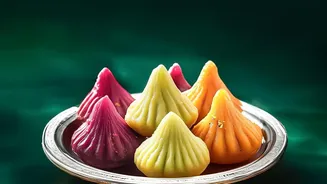
Ukadiche modak, with its soft rice-flour shell and sweet coconut-jaggery filling, is the most traditional and also the most delicate. Due to its high moisture content, it spoils quickly at room temperature. These modaks are best eaten fresh on the day they are made. If you have leftovers, they must be refrigerated. Place them in an airtight container and store them in the fridge, where they will last for a day or two. Any longer, and they tend to become hard and dry. To enjoy them later, it's best to reheat them by steaming for a few minutes until they become soft again. Some sources advise against freezing already-steamed modaks as it can make them chewy when thawed.
The Longer Life of Fried Modak (Talniche Modak)
Fried modak, known as Talniche Modak, has a significant advantage: a longer shelf life. The outer shell, typically made from wheat flour or semolina, is deep-fried until golden and crisp. This process removes much of the moisture, which helps in preservation. Fried modaks can be stored at room temperature for several days without any issue. The key is to let them cool down completely after frying before placing them in an airtight container. This prevents condensation from forming inside the container, which would make them soggy. Stored correctly, they will remain crispy and delicious for three to five days, making them an excellent option to prepare in advance.
Handling Mawa or Khoya Modak
Mawa modaks, crafted from thickened milk solids (khoya), are rich, dense, and incredibly delicious. Since mawa is a dairy product, these modaks are perishable and should not be left at room temperature for extended periods, especially in warm weather. They should be stored in an airtight container in the refrigerator. Depending on the freshness of the mawa used, they can last from three to seven days when refrigerated properly. Before serving chilled mawa modaks, it's a good idea to let them sit at room temperature for about 10-15 minutes to allow them to soften slightly for the best texture.
Signs of Spoilage: When to Throw It Out
Enjoying festive sweets should be a happy experience, not a health risk. It's crucial to know when a modak is no longer safe to eat. Your senses are your best guide. The first sign is often an off or sour smell, particularly with steamed and mawa varieties. Visually, look for any signs of mould, which can appear as fuzzy white, green, or black spots. Another red flag is a change in texture. If a modak feels unusually slimy, sticky, or wet, it has likely spoiled. For steamed modaks, excessive hardness or dryness can also be an indicator that they are past their prime. When it comes to food safety, the golden rule is simple: when in doubt, throw it out. It's always better to be safe than sorry.