


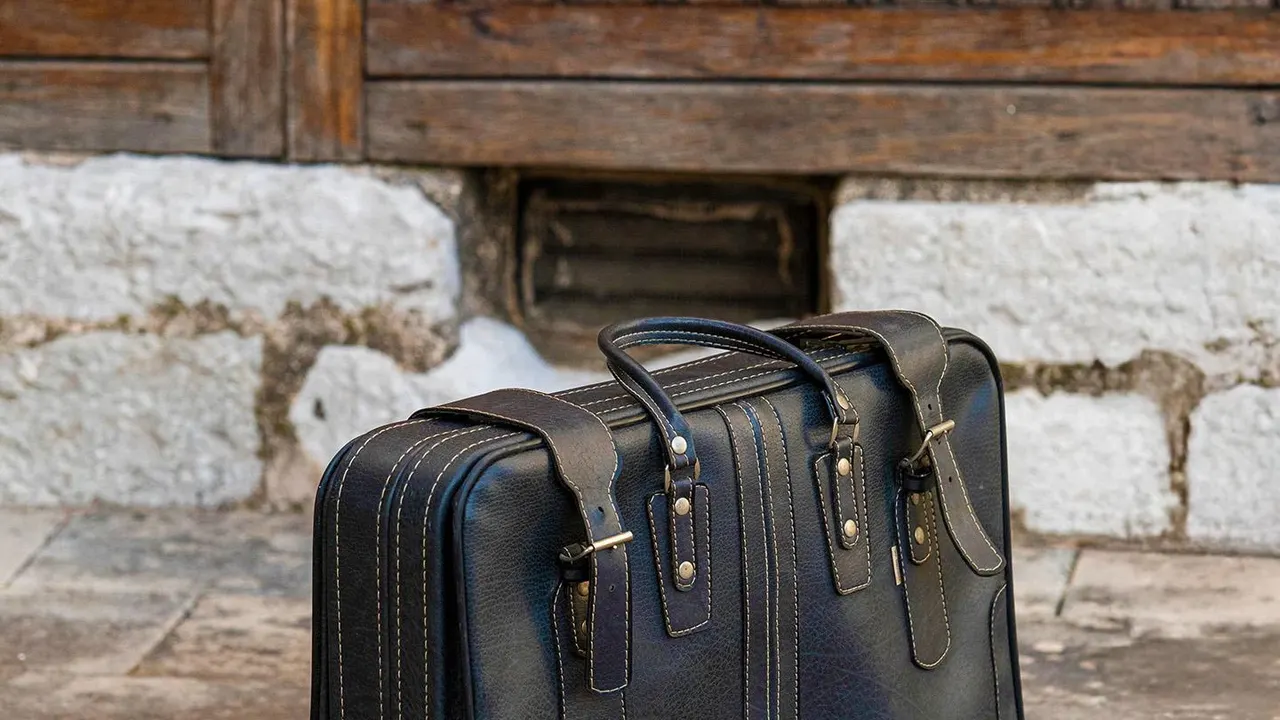
Choose a Lightweight Bag
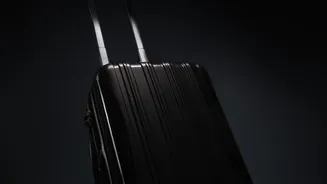
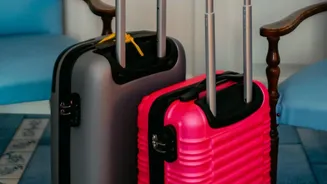
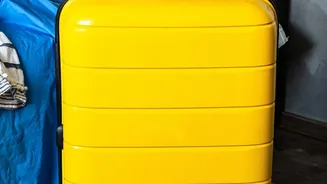
Your packing journey begins before you even place a single shirt inside. The weight of your empty luggage counts towards that 7kg limit. Some hard-shell trolley bags can weigh up to 3kg on their own, eating up nearly half your allowance. Opt for a lightweight
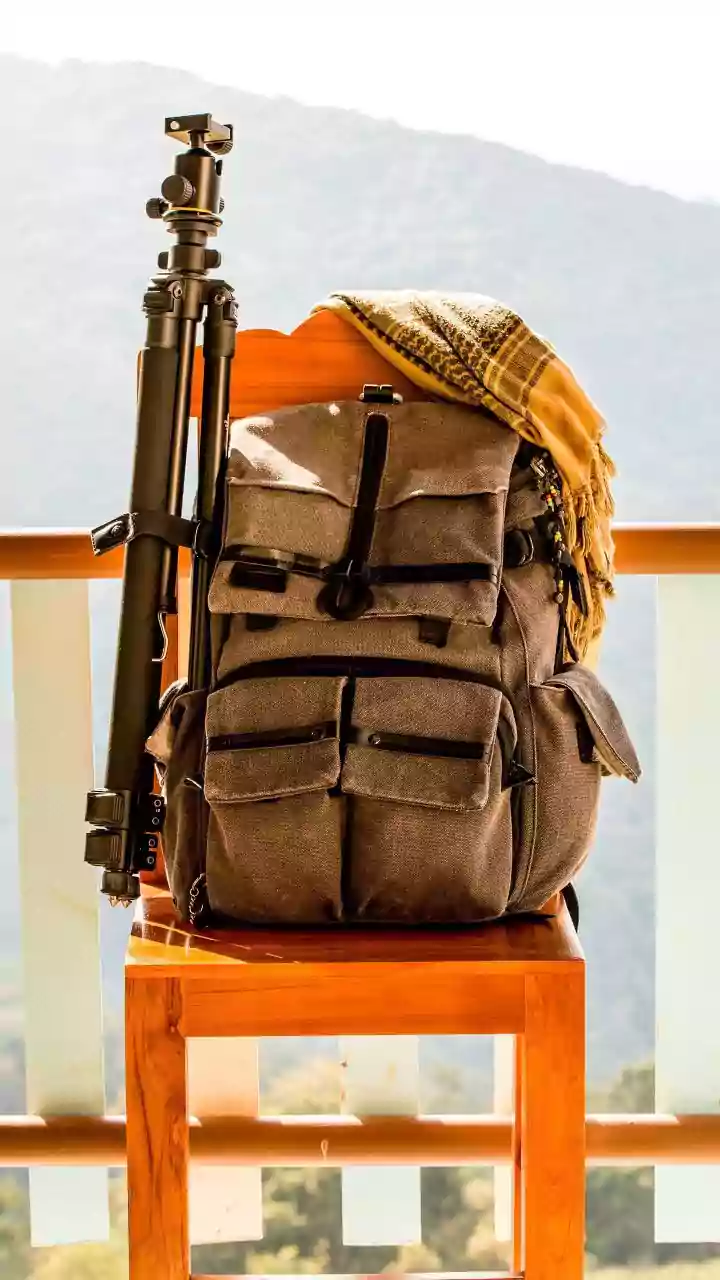
backpack or a soft-sided cabin bag, which typically weigh between 800 grams and 1.5kg. This single choice can free up significant weight for your actual belongings. Before leaving for the airport, always weigh your fully packed bag at home to avoid any costly surprises at the check-in counter.
Master the Art of Rolling
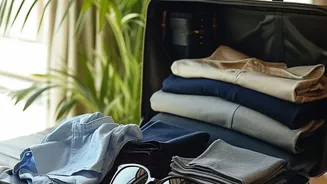
When it comes to saving space, rolling your clothes is generally more effective than folding. Tightly rolled garments can be packed more densely, reducing trapped air and allowing you to fit more into your bag. This method works best for lightweight items like t-shirts, pants, and skirts. Not only does it save space, but it also helps minimize hard creases. For bulkier items like jackets or structured blazers, folding might be a better option. A hybrid approach often yields the best results: roll your casual wear and fold formal or thick items, placing them on top.
Embrace Packing Cubes
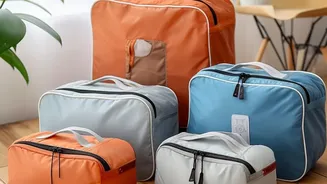
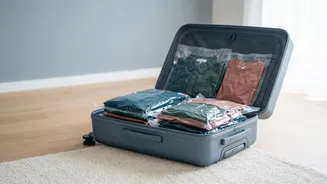
Packing cubes are small, zippered pouches that revolutionize luggage organization. They allow you to compartmentalize your belongings—one cube for tops, another for bottoms, and another for undergarments. This system not only keeps your bag tidy but also compresses your clothing, maximizing every inch of space. Compression cubes, which feature an extra zipper to squeeze out more air, are particularly effective. Using cubes makes it easy to find what you need without rummaging through your entire suitcase and creating a mess. They also provide a barrier, keeping clean clothes separate from dirty laundry.
Plan a Versatile Capsule Wardrobe
For a seven-day trip, you don't need seven distinct outfits. Instead, plan a capsule wardrobe—a small collection of items that can be easily mixed and matched. Stick to a simple, neutral colour palette (like black, white, beige, and denim) and bring pieces that work well together. For example, a few versatile tops that can be paired with one or two pairs of bottoms can create multiple looks. This strategy eliminates the 'just in case' items that often go unworn and take up precious space and weight.
Select Smart, Lightweight Fabrics
The type of fabric you choose has a huge impact on both weight and space. Heavy materials like conventional cotton and denim can be bulky. Instead, opt for lightweight, high-performance fabrics. Merino wool is an excellent choice as it is wrinkle-resistant, regulates body temperature, and can be worn multiple times without retaining odour. Synthetics like polyester and nylon are also great options because they are wrinkle-free and dry quickly, which is ideal if you need to do a quick sink wash during your trip.
Rethink Your Toiletries
Liquids are heavy and subject to restrictions. Remember the 3-1-1 rule for carry-ons: all liquids, gels, and aerosols must be in containers of 100ml (3.4 ounces) or less, and all containers must fit in a single, clear, quart-sized bag. To save space and weight, switch to solid toiletries wherever possible. Shampoo bars, conditioner bars, solid perfume, and bar soap don't count towards your liquid allowance. For any liquids you must bring, decant them into smaller, reusable travel-sized bottles instead of carrying the full-sized product.
Wear Your Heaviest Items
This is one of the simplest and most effective packing hacks. If you're bringing a jacket, a pair of boots, or heavy jeans, wear them on the plane instead of packing them. Aeroplane cabins can get chilly, so wearing a jacket or sweater is often practical anyway. This frees up a substantial amount of space and weight in your carry-on, leaving more room for other essentials. It might feel a bit bulky during boarding, but the savings inside your bag are well worth it.