




A Fiery Gift From a Famous Comet
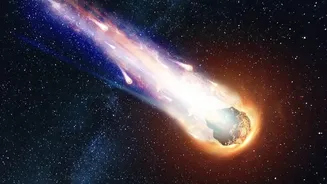
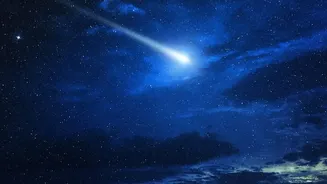
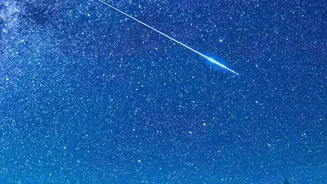
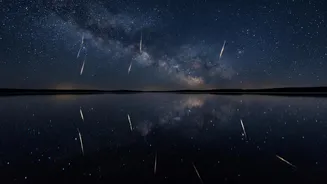
The Orionid meteor shower is an annual event that occurs when Earth passes through the trail of debris left by one of history's most famous comets: 1P/Halley, or Halley's Comet. These tiny particles, often no bigger than a grain of sand, enter our atmosphere
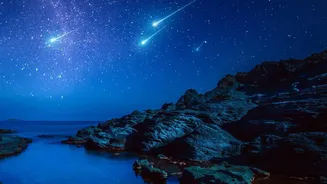
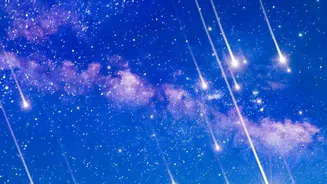
at incredible speeds—around 66 kilometres per second—and burn up, creating the fiery streaks we call meteors or shooting stars. They are named the Orionids because they appear to radiate from a point within the constellation Orion, the Hunter. However, you don't need to stare at Orion, as the meteors can appear anywhere in the night sky.
The Moon: A Beautiful Nuisance
The biggest challenge for viewing the 2026 Orionids is the Moon. The shower is predicted to peak on the night of October 21-22. On these nights, the Moon will be in a waxing gibbous phase, meaning it will be about 80% illuminated and very bright for much of the night. This bright moonlight acts like natural light pollution, washing out the fainter meteors from view and significantly reducing the number of shooting stars you can see. While a bright moon can be beautiful, for meteor watching, a dark sky is essential to see the full spectacle.
Patience and Perfect Timing
This is where the headline's advice becomes critical. On the peak mornings of October 21 and 22, the bright gibbous Moon will set at approximately 3 a.m. local time. This creates a precious window of true darkness between moonset and the start of dawn twilight. This pre-dawn period will be the absolute best time to watch the Orionids this year. While the shower is active from early October to November, your best chance to see a high number of meteors—potentially 15 to 25 per hour in a dark location—is during this brief, moon-free window on the peak nights.
Your Ultimate Viewing Guide
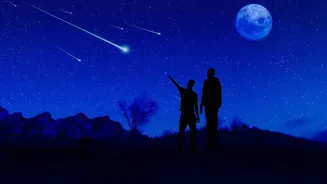
To make the most of the Orionid meteor shower, you don’t need any special equipment like telescopes or binoculars; your eyes are the best tool for the job. First, get as far away from city lights as you can. Even a short drive to a more rural area can dramatically increase the number of meteors you'll see. Find a comfortable spot where you can lie back and look up, taking in as much of the sky as possible. Give your eyes at least 20 to 30 minutes to fully adjust to the darkness—and that means no looking at your phone. The Orionids are known for being fast and can sometimes leave behind persistent, glowing trains that linger for a few seconds after the meteor has vanished. So, get comfortable, be patient, and enjoy the show.