


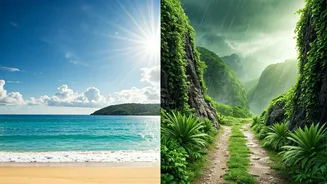



What Exactly Is Slow Travel?
Slow travel is a mindset that prioritises connection over checklists. It's the antithesis of mass tourism, which often involves rushing between landmarks to tick boxes. Instead of a frantic multi-city tour, a slow traveller might spend weeks exploring
one region, staying in a local homestay, and truly immersing themselves in the culture. The philosophy is simple: by doing less, you actually experience more. This approach encourages staying in one place for a longer duration, using slower transport like trains instead of planes, and making a conscious effort to connect with the local people, food, and way of life. It's about transforming a simple holiday into a more meaningful and memorable journey.
The Shift in the Indian Mindset
So, why is this trend resonating with Indian tourists now? Several factors are at play. Post-pandemic, there's a collective sense of mental exhaustion and a yearning for a slower, more intentional life. This has translated into travel choices, with many shunning crowded, over-touristed spots like Shimla or Manali for quieter, lesser-known destinations. A recent report found that relaxation is the main reason for travelling for 67% of Indian respondents. Furthermore, the rise of remote work has created a new class of digital nomads and 'workationers' who can blend work and leisure, making longer stays in one place feasible. This demographic is swapping city-hopping for learning to surf in Kerala or trying their hand at farming in Himachal Pradesh.
More Than a Vacation, a Connection
The benefits of slow travel extend beyond just feeling rested. It fosters deeper connections—with the destination, its people, and even oneself. By staying longer and engaging with the community through homestays and local experiences, travellers contribute directly to the local economy, combating the 'tourism leakage' often associated with large hotel chains. In a diverse country like India, where the culture, cuisine, and landscape can change every hundred kilometres, this approach is incredibly rewarding. Travellers are discovering that the stay itself can be the destination, with a recent survey showing nearly 80% of Indian travellers now prefer spending most of their time at their chosen accommodation, seeking authentic and meaningful experiences.
Slowing Down Across India
This shift is visible in booking trends. Accommodation searches for places like Dharamshala, Rishikesh, and Uttarkashi have seen significant year-on-year growth, reflecting a demand for holidays away from urban noise. Dharamshala, in particular, saw a 154% increase in searches, attracting travellers with its blend of Tibetan culture, meditation centres, and nature trails. Homestays are booming, with their numbers growing 85% in 2022 compared to a 25% increase for hotels. Destinations like the Spiti Valley, Fort Kochi, and even Goa are being reimagined as hubs for slow living, where visitors can stay for extended periods, work remotely, and immerse themselves in the local rhythm of life.