

Why Bodyweight Training Works
Before diving into the exercises, it’s helpful to understand why using your own body as resistance is so effective. First, it’s incredibly convenient and inexpensive; you can do it anywhere, anytime, with no membership fees or costly equipment. Second,
these exercises are 'functional', meaning they mimic everyday movements like pushing, pulling, and squatting. This improves your real-world strength, making daily tasks easier while also enhancing balance, flexibility, and coordination. Bodyweight workouts can be surprisingly effective for building strength and endurance, as you engage multiple muscle groups at once and can transition quickly between moves, keeping your heart rate up.
The Foundation: Your First Five Moves
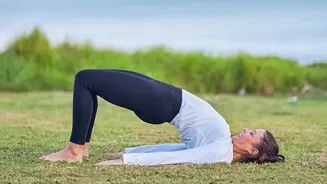
A balanced routine targets all major muscle groups. For beginners, focusing on a few key exercises is the best way to start. This routine covers your upper body, lower body, and core. The goal is to master the form before increasing the intensity. Essential beginner-friendly options include push-ups, squats, planks, lunges, and glute bridges. These compound movements work multiple joints and muscles simultaneously, giving you the most benefit for your time.
Upper Body Power: The Push-Up
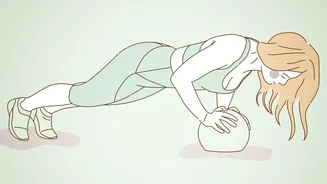
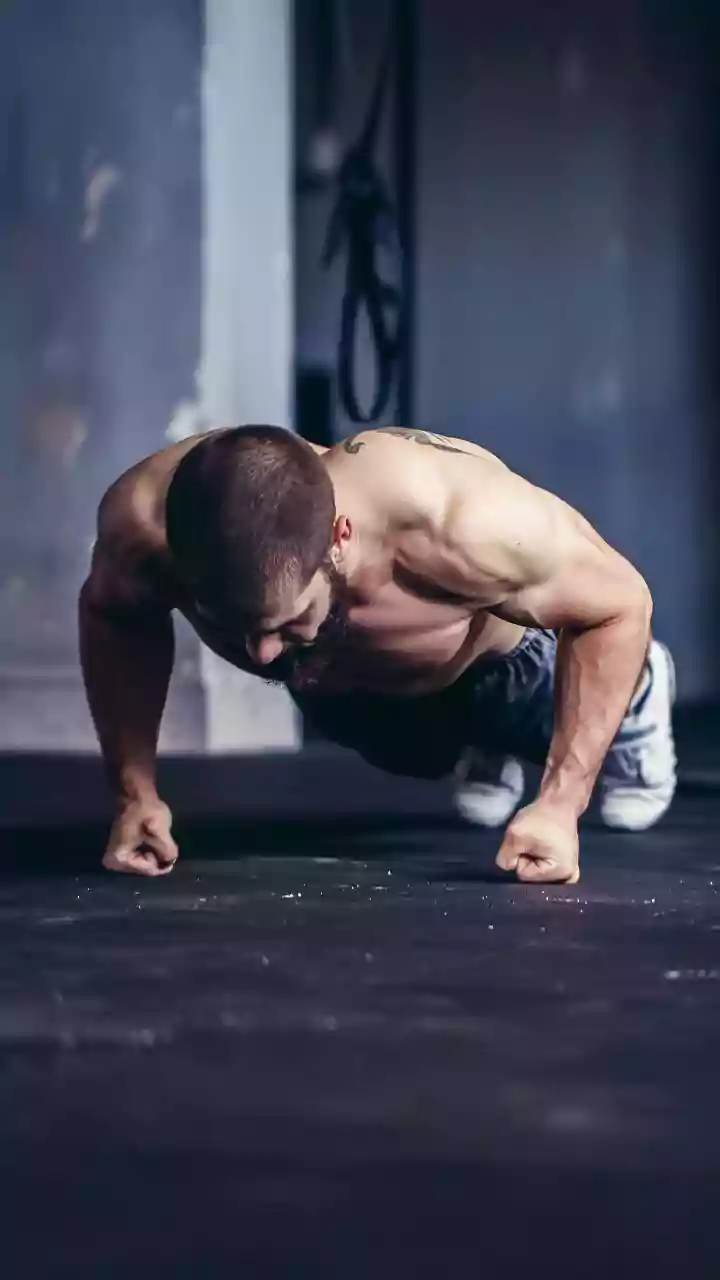
The push-up is a gold standard for upper-body strength, targeting your chest, shoulders, and triceps. If you're a beginner, start with a modification. Place your hands shoulder-width apart on the floor and begin on your hands and knees. From there, walk your knees back to create a straight line from your head to your knees. Lower your chest toward the floor, keeping your back flat and core engaged, then press back up. As you build strength, you can progress to a full push-up from your toes. The key is maintaining a straight, rigid torso throughout the movement.
Lower Body Strength: The Squat
Squats are fundamental for building strong legs and glutes. To perform a bodyweight squat, stand with your feet shoulder-width apart, toes pointing slightly outward. Keeping your chest up and back straight, lower your hips as if you’re sitting in a chair. Go as low as you can comfortably while keeping your heels on the ground. Aim to get your thighs parallel to the floor. Press through your heels to return to the starting position. Avoid letting your knees travel far past your toes.
Core Stability: The Plank
A strong core is the foundation of almost every movement. The plank is an excellent exercise for building core stability. Lie face down and prop yourself up on your forearms and toes, keeping your body in a straight line from head to heels. Engage your abdominal muscles and glutes to prevent your hips from sagging. Look at the floor to keep your neck in a neutral position. Hold this position for as long as you can maintain good form, even if it's just 15-20 seconds to start.
Balance and Control: The Lunge
Lunges are great for targeting your legs and glutes individually while also challenging your balance. Start by standing tall. Step one foot forward and lower your hips until both knees are bent at approximately a 90-degree angle. Your front knee should be directly above your ankle, and your back knee should hover just above the ground. Push off your front foot to return to the starting position, and then repeat on the other side.
Putting It All Together: Your Weekly Routine
Consistency is more important than intensity when you're starting out. Aim to perform this workout 2-3 times per week on non-consecutive days to give your muscles time to recover. For each exercise, try to complete 8-12 repetitions. This is one set. As you get comfortable, you can perform 2-3 sets of each exercise. For planks, hold for time rather than reps. You can structure this as a circuit: perform one set of each of the five exercises in a row, rest for 60-90 seconds, and then repeat the circuit 2-3 times. Listen to your body and focus on quality movement over quantity.