








What is the Connected Wellness Era?
The connected era of wellness refers to the ecosystem of digital devices, apps, and services that seamlessly integrate into our daily lives to monitor, analyse, and improve our health. It marks a shift from reactive healthcare to proactive, personalised
well-being management. This isn't about isolated gadgets anymore; it's about a network of sensors and AI working together. In India, the wearable technology market is a clear indicator of this trend, with projections showing massive growth from USD 3.7 billion in 2025 to over USD 13.5 billion by 2033. This boom is driven by increasing health awareness and the growing adoption of smart devices that have become essential lifestyle products for many. The goal is to move beyond just tracking steps to creating a holistic view of a person's health.
More Than Just Counting Steps
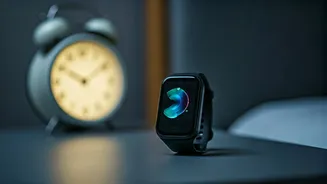
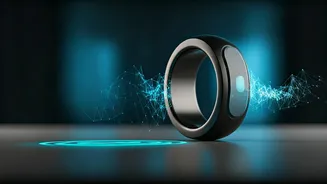
Early fitness trackers popularised the idea of monitoring daily activity, but today's devices are vastly more sophisticated. Modern wearables like smartwatches and smart rings now track complex metrics such as sleep patterns, heart rate variability (HRV), blood oxygen levels, and even stress. These devices have evolved from simple trackers into preventative health tools. The data collected by gadgets from brands like Apple, Garmin, and Oura is no longer just for personal curiosity; it is increasingly being integrated into electronic health records, allowing doctors to spot anomalies, such as irregular heart rhythms, before symptoms become apparent. This evolution signifies a move towards what some in the industry call "Wearables 2.0," where consumers demand medical-grade biometric accuracy over basic metrics.
The Home as a Health Hub
This connected ecosystem extends well beyond what you wear. The home itself is becoming an active participant in health monitoring. We now have smart scales that provide detailed body composition analysis, smart blood pressure monitors, continuous glucose monitors (CGMs) for diabetic patients, and even smart toilets that can analyse urine for health data. These devices turn the home into a space for continuous, unobtrusive health tracking. This concept of ambient assisted living allows for the collection of health data as you go about your daily activities, creating a more comprehensive picture of your health status over time without requiring constant manual input.
AI: The Brains of the Operation
At the heart of this connected wellness era is artificial intelligence. AI algorithms are the engine that turns raw data from your devices into meaningful, actionable insights. Instead of just seeing a chart of your heart rate, AI-powered apps can now provide personalised recommendations for exercise, nutrition, and stress management. AI wellness coaches and mental health apps use techniques from therapies like CBT to provide 24/7 support for anxiety and stress. This level of personalisation ensures users receive wellness advice that is specifically tailored to their individual health data and goals. There is now a growing market of apps that function as all-in-one wellness assistants, offering everything from diet planning to guided meditation.
The Flip Side: Privacy and Digital Overload
While the benefits are compelling, the connected wellness era comes with significant challenges. The vast amount of sensitive health data being collected raises serious privacy concerns. Many wellness apps and devices are not covered by the same stringent privacy laws as traditional healthcare, meaning your data could be shared with third parties like advertisers without your full knowledge or consent. There is also a growing concern about the psychological impact of constant self-monitoring. The pressure to achieve perfect scores for sleep or activity can lead to a new kind of anxiety and a phenomenon known as the "over-optimization backlash," where users feel overwhelmed by the data rather than empowered by it.