




From Sightseeing to Soul-Searching
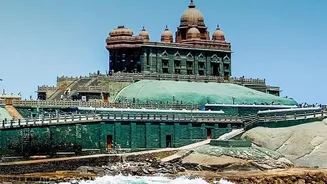
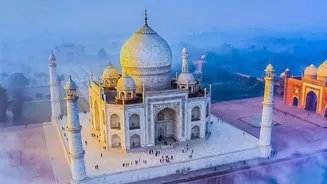
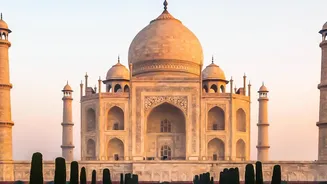
For decades, India's tourism story was written around iconic monuments, vibrant festivals, and scenic landscapes. While these remain powerful draws, an over-reliance on traditional leisure circuits can concentrate tourist traffic in a few areas, leaving
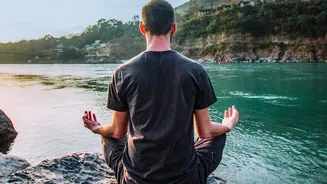
other regions untapped. The global and domestic traveller is evolving. In a post-pandemic world grappling with burnout and digital fatigue, many are seeking more than just a getaway; they are seeking a reset. Travel is increasingly seen as a tool for mental and physical rejuvenation. This has opened the door for spiritual and wellness tourism, a sector focused on experiences that nourish the mind, body, and spirit, such as yoga, meditation, Ayurveda, and nature-based healing.
India's Ancient Wisdom Meets Modern Demand
India is uniquely positioned to cater to this new-age traveller. Its ancient traditions of yoga, meditation, and Ayurveda are not just historical footnotes; they are living practices that resonate with the modern quest for well-being. Once seen as niche, these practices are now mainstream drivers for travel decisions. Travellers are specifically choosing destinations to improve sleep, reduce stress, or deepen their yoga practice. The government has also recognised this potential, launching initiatives like 'Heal in India' to promote the country as a premier destination for medical and wellness tourism, integrating modern healthcare with traditional systems. This strategy aims to create a holistic ecosystem that offers everything from complex medical procedures to restorative wellness retreats.
Beyond the Usual Wellness Hotspots
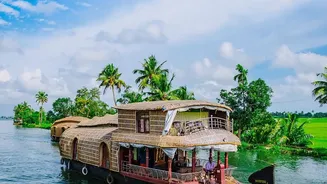
When people think of wellness in India, Kerala's Ayurvedic centres and Rishikesh's yoga ashrams often come to mind. While these remain dominant hubs, the wellness map of India is expanding. The demand for authentic experiences is pushing travellers and operators to explore new territories. The Himalayan regions of Uttarakhand offer a serene backdrop for meditation and nature therapy. Goa's coastal charm is now complemented by yoga shalas and detox retreats. Rajasthan is transforming its heritage properties into royal wellness sanctuaries, blending history with holistic healing. Even destinations like Vizag on the east coast are emerging as yoga and wellness hubs. This geographical spread is crucial for diversifying tourism.
The Economics of Well-Being
The rise of spiritual and wellness tourism is more than a cultural trend; it's a powerful economic engine. This form of travel often encourages longer stays and higher spending on specialised services, benefiting local economies more deeply than conventional tourism. It creates employment for a wide range of professionals, from yoga instructors and therapists to local guides and artisans. The sector's growth is expected to generate significant revenue and create millions of temporary and permanent jobs in the coming years. By promoting lesser-known destinations, it distributes economic benefits more evenly across the country, supporting infrastructure development and small businesses in areas that might otherwise be overlooked.