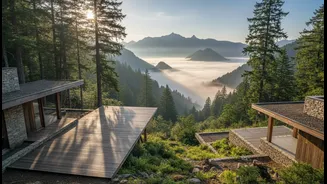









More Than Just Fresh Air
For centuries, seekers have journeyed to high altitudes for clarity and renewal. Today's mountain wellness retreats are built on this legacy, but with a modern, integrated approach. The core idea is that the mountain is not merely a backdrop for yoga
or meditation; it is an active participant in the healing process. The physiological responses triggered by altitude—cleaner air, lower oxygen levels, and a unique sensory environment—are intentionally woven into a holistic health schedule. This creates a synergistic effect where the environment amplifies the benefits of the wellness practices, and vice versa. The goal shifts from simple relaxation to a deeper form of restoration.
Understanding Sensory Altitude Conditioning
While 'sensory altitude conditioning' may sound technical, it boils down to mindfully adapting to and utilising the high-altitude environment. A key component is breathwork. At higher elevations where oxygen is less dense, breathing becomes more conscious and deliberate. Retreats incorporate specific pranayama (yogic breathing) techniques designed to improve lung capacity and enhance the body's oxygen efficiency. This conditioning also involves engaging the senses: noticing the crispness of the air, the way sound travels differently, and the heightened visual clarity of distant peaks. It’s about fostering a mindful connection with the surroundings, allowing the body to acclimatise gradually while turning the environmental challenges into tools for heightened awareness.
The Holistic Health Schedule in Practice
The other half of the equation is a carefully curated schedule of holistic activities. These are not random additions but are chosen to complement the effects of altitude. Morning yoga sessions, for example, might focus on gentle, mindful movements and deep breathing to support acclimatisation. Meditations are often held outdoors, leveraging the natural tranquillity and expansive views to foster inner peace. Treks and nature walks are incorporated not just for physical fitness but as a form of 'forest bathing', reducing stress and improving mental clarity. The diet also plays a crucial role, often featuring nutrient-dense, high-carbohydrate meals to provide sustained energy, along with ample hydration to counteract the dehydrating effects of altitude.
The Science of Sky-High Serenity
The benefits of this integrated approach are both physiological and psychological. Spending time at high altitudes prompts the body to adapt. It can stimulate the production of red blood cells to improve oxygen transport, which can lead to increased stamina and energy over time. This physical adaptation, combined with mindfulness practices, can have a profound impact on mental well-being. Studies and anecdotal reports suggest that practising yoga and meditation at altitude can lead to reduced stress and anxiety. The clean, low-pollutant air improves respiratory function, while the serene environment helps lower cortisol levels and can contribute to better, more restorative sleep.
A Symphony of Mind, Body, and Mountain
The true magic of these retreats lies in the synthesis of all these elements. Conscious breathing exercises become more potent when the air is thin, forcing a deeper focus. A challenging trek is transformed into a moving meditation against a backdrop of awe-inspiring scenery. A simple, locally sourced meal feels more nourishing after a day of physical activity in the crisp mountain air. By integrating sensory conditioning with a holistic schedule, these retreats create a powerful feedback loop. The altitude challenges the body, the holistic practices support it, and the combination leads to a state of heightened awareness, physical resilience, and profound mental calm that is difficult to replicate at sea level.