

More Than Just Waste
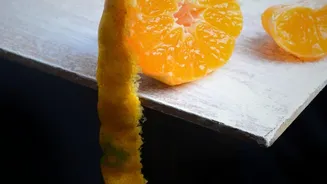
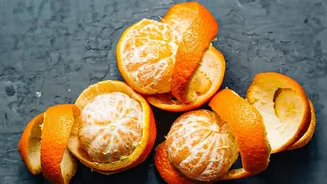
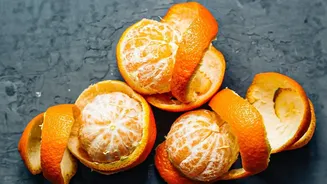
Before you toss that peel, consider this: the outer skin of an orange is a nutritional powerhouse. Often discarded, orange peels contain more vitamin C by weight than the fruit itself. They are also packed with dietary fibre, which aids digestion, and
beneficial plant compounds called polyphenols and flavonoids like hesperidin. These compounds have antioxidant properties that can help support your immune system and overall wellness. By using the peels to make marmalade, you're not just reducing food waste; you're unlocking a treasure trove of nutrients and flavour that would otherwise end up in the bin.
Choosing the Right Oranges
Since this recipe uses the entire peel, the type of orange you choose is important. Whenever possible, opt for organic or specifically untreated oranges. Many conventionally grown citrus fruits are coated with a layer of wax and may have been treated with pesticides, neither of which you want to concentrate in your marmalade. Visiting a local farmer's market or checking the labels carefully at your grocery store is your best bet. A quick wash and scrub before you begin is also a good practice to ensure your peels are clean and ready for cooking.
The Zero-Waste Marmalade Method
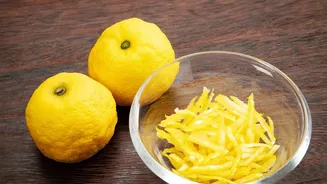
Making marmalade is a simple, rewarding process that fills your kitchen with a wonderful citrus aroma. For a small batch, you will need the peels from two to four large oranges, sugar, water, and a bit of lemon juice. The basic steps involve slicing the peels, softening them, and then simmering them with sugar until the mixture thickens. First, slice your clean orange peels into thin strips. The white part, or pith, can be bitter but contains natural pectin that helps the marmalade set. To reduce bitterness, you can blanch the peels by boiling them in water for a few minutes and then draining them, repeating the process two or three times. Once blanched, combine the peels in a saucepan with water and the juice of a lemon. Simmer until the peels are very tender. Finally, add sugar and continue to boil steadily, stirring occasionally, until the marmalade reaches your desired consistency. It will thicken further as it cools.
Tips for a 'Healthy' Spread
The term "healthy" can be subjective, especially when sugar is involved. Traditional marmalade recipes can call for a large amount of sugar, which acts as a preservative and helps it set. However, when you make it at home, you are in complete control. To create a healthier version, you can significantly reduce the amount of sugar compared to commercial varieties. Some modern recipes even use natural sweeteners like stevia or erythritol for a low-sugar, keto-friendly alternative. Keep in mind that reducing sugar may affect the shelf life, so it's best to store your lower-sugar marmalade in the refrigerator and enjoy it within a few weeks.
Beyond the Breakfast Toast
While magnificent on a slice of warm toast, your homemade marmalade is far more versatile. Use it as a glaze for roasted chicken, pork, or salmon, where its bittersweet notes can balance the richness of the meat. Whisk a spoonful into a vinaigrette to add a zesty kick to salads, or swirl it into plain yogurt or porridge for an instant flavour boost. It also pairs beautifully with cheese; try serving a dollop alongside a sharp cheddar or creamy goat cheese on your next appetizer platter. You can even incorporate it into baking by using it as a filling for cakes or a topping for scones.