


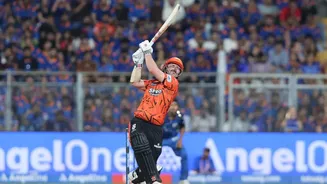
A Captain's Knock Under Pressure
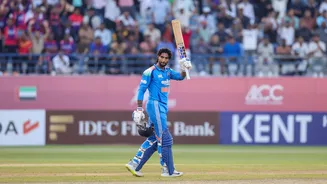
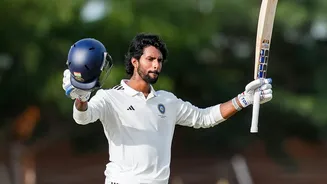
Leading the India 'A' side in the ACC Men's Asia Cup Rising Stars tournament, Tilak Varma walked to the crease with his team in a precarious position against Nepal, having lost three early wickets. What followed was not just a recovery, but a statement
of intent. The left-hander crafted a magnificent 107 from 113 balls, rebuilding the innings with composure before accelerating with fluid grace. This knock wasn't just about the runs; it was about temperament. On a challenging pitch where he noted it wasn't easy for new batters, Varma absorbed the pressure, built a game-changing 206-run partnership with Kumar Kushagra, and laid the foundation for a mammoth total of 332. It was a display of maturity and situational awareness that bellies his age, showcasing his ability to be both the anchor and the aggressor.
The Middle-Order's Missing Piece
For some time now, the Indian ODI setup has been grappling with a specific structural issue: a middle order dominated by right-handed batsmen. While incredibly talented, this uniformity can allow opposition captains and bowlers to settle into comfortable rhythms and matchups. Tilak Varma's primary identity as a left-handed batsman makes him an immediate and valuable point of difference. His inclusion would force bowlers to constantly adjust their lines and lengths, disrupt field placings, and counter specific bowling types, particularly leg-spin and left-arm orthodox. Axar Patel has been used at times to fill this role, but having a specialist top-order batsman like Varma provides a more robust and permanent solution. Pundits and even selectors have noted the need for this variety, viewing Varma as a natural fit rather than forcing a top-order opener to adapt to a middle-order role.
More Than Just a Batsman
In modern white-ball cricket, being a multi-dimensional player significantly boosts a candidate's value. Varma is not just a gifted batsman; he is also a more-than-handy off-spin bowler. The Indian team management has reportedly encouraged him to focus on this aspect of his game, recognising the strategic advantage of having a top-six batsman who can chip in with a few overs. This solves the perennial 'sixth bowler' problem, giving the captain flexibility and control during the middle overs without compromising on batting depth. Adding to his utility, Varma is a livewire in the field, known for his athleticism and safe hands. This trifecta of skills—a reliable left-handed bat, a useful bowling option, and excellent fielding—makes him the complete package that modern ODI teams crave.
Consistency and Big-Match Temperament
While the century against Nepal is the headline act, it stands on a foundation of consistent performances. Varma has become a vital cog for his IPL franchise, delivering crucial runs in high-stakes encounters. His List A record is impressive, averaging over 47 with several centuries to his name, proving his aptitude for the 50-over format. Former players like Wasim Jaffer have lauded his versatile batting, noting his ability to adapt from a number three anchor to a middle-order finisher. He has shown time and again that he does not shrink on the big stage. Whether it was a match-winning half-century in a T20I thriller for India or his composed knocks in the IPL, Varma has repeatedly demonstrated a calm head and a hunger for pressure situations—a quality that separates the good from the great at the international level.