




What is Powdered Neem Cake?
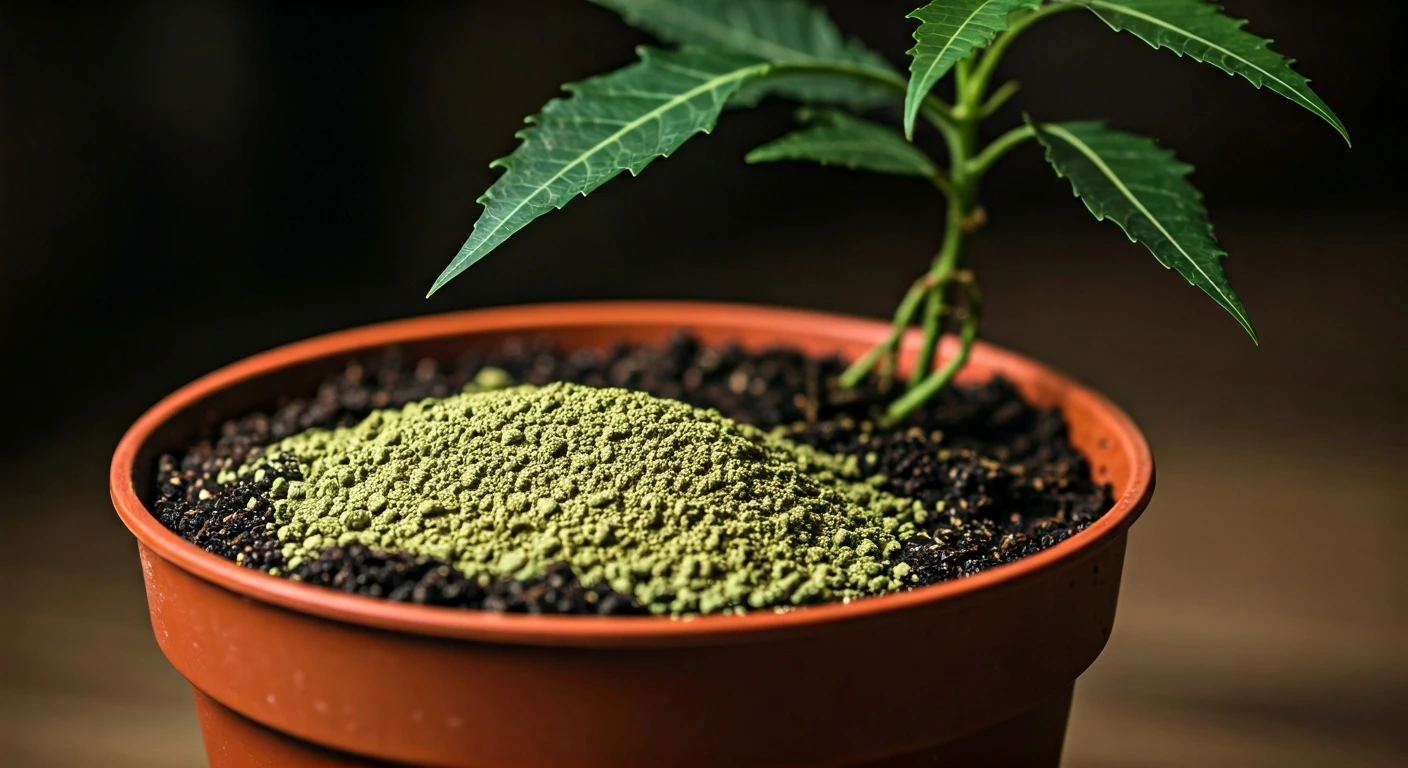
Neem cake, often called 'neem khali', is a powerhouse of organic goodness for your plants. It is the solid residue that remains after the oil has been extracted from neem tree seeds. [2, 10] This byproduct is then dried and ground into a powder. Far from being
waste, this cake is rich in essential plant nutrients like Nitrogen, Phosphorus, and Potassium (NPK). [5, 8] More importantly, it retains some of the potent bioactive compounds from the neem seed, most notably azadirachtin, which gives it its powerful pest-fighting properties. [2, 9] This dual-action capability makes it both a slow-release fertiliser that nourishes plants and a natural pesticide that protects them from within the soil. [9, 10]
Why Monsoon Is a Pest Paradise
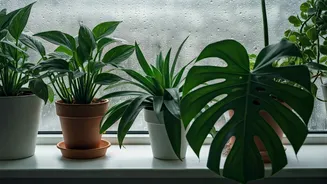
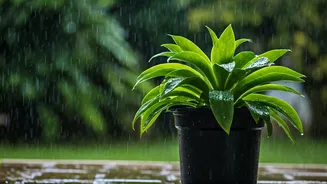
The high humidity and persistent dampness of the Indian monsoon create the perfect breeding ground for a host of houseplant pests. [13, 26] Soil in pots takes much longer to dry out, which can lead to root rot and encourages pests that thrive in moist conditions. Fungus gnats, tiny black flies that hover around your pots, lay their eggs in damp topsoil, where their larvae feed on organic matter and tender roots. [20, 23] The increased moisture in the air also invites mealybugs and aphids, which multiply rapidly in these conditions. [13] This makes preventative care crucial during the rainy season to keep your indoor garden healthy and vibrant.
How Neem Cake Works Its Magic
Neem cake doesn't kill pests on contact like chemical pesticides. Instead, it works systemically and disrupts their entire life cycle. When mixed into the soil, watering slowly releases its active compounds like azadirachtin. [2] This compound is a natural antifeedant and growth disruptor. [3] When soil-dwelling pests like the larvae of fungus gnats or root mealybugs ingest it, it interferes with their hormonal systems, stopping them from feeding and preventing them from maturing into adults. [4, 20] It is also highly effective against harmful root-knot nematodes and acts as a fungicide, suppressing common root rot fungi that flourish in damp monsoon soil. [9, 12] Crucially, it is non-toxic to beneficial organisms like earthworms, which actually thrive in soil amended with neem cake. [2]
Method 1: Mix It Into Your Potting Soil
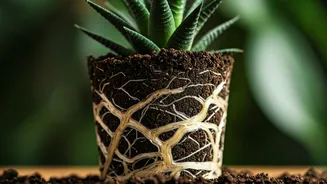
The most effective way to use neem cake is as a preventative measure when you are potting or repotting a plant. By incorporating it directly into the soil mix, you create a protective environment for the roots from day one. [12] For a standard 8-10 inch pot, thoroughly blending two tablespoons of powdered neem cake into your potting medium is a good starting point. [19] This ensures that as the plant grows, its root zone is continuously protected. The cake will break down slowly, releasing nutrients over six to eight weeks while simultaneously defending against soil-borne pests and diseases. [9]
Method 2: Use It as a Top Dressing
For established plants that you don't plan on repotting, top dressing is the ideal method. This is especially useful as a monthly treatment during the monsoon season. First, gently loosen the top one to two inches of soil in the pot, being careful not to damage the surface roots. [19] Sprinkle one to two tablespoons of powdered neem cake evenly over the surface, depending on the pot size. [21] Lightly mix the powder into the loosened topsoil and then water the plant as usual. Each time you water, the beneficial compounds will leach down into the root zone, nourishing the plant and deterring pests. [12]
Method 3: Create a Liquid 'Neem Tea'
Creating a liquid fertilizer, or 'neem tea', is an excellent way to tackle an active infestation of fungus gnats or to give your plants a quick nutritional boost. To make it, soak about two handfuls of neem cake powder in 2-3 litres of water. [11] Let the mixture sit for 24 to 48 hours, stirring occasionally. [11, 20] The water will turn a dark brown colour as it absorbs the nutrients and active compounds. This concentrated solution must be diluted before use. Mix one part of the strained neem tea with ten parts water. [14] Use this diluted liquid to thoroughly water your plants, ensuring the soil is completely drenched. This directly targets larvae and pathogens in the soil. [20, 22]