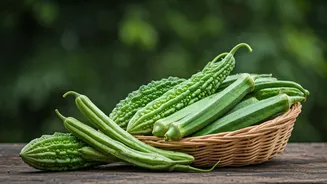





Bitter Gourd (Karela)
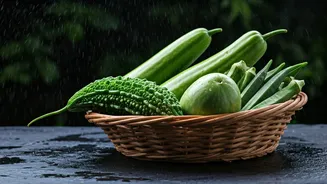
Don’t let its bitterness scare you away. Bitter gourd is a powerhouse of nutrients that are especially beneficial during the rainy season. It is packed with Vitamin C, which is crucial for strengthening the immune system and fighting off common infections
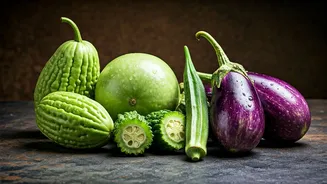
like the cold and flu. Karela is also renowned for its anti-diabetic properties, helping to manage blood sugar levels. Its antimicrobial and antioxidant compounds can help cleanse the system and keep your skin clear, a common concern during the humid monsoon months. **Pro Tip:** To reduce its bitterness, scrape the skin, cut the gourd, and rub the pieces with a generous amount of salt. Let it sit for about 30 minutes, then squeeze out the bitter juice and rinse thoroughly before cooking.
Bottle Gourd (Lauki)
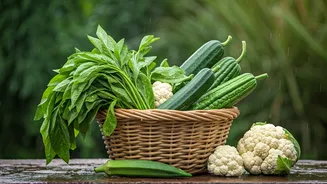
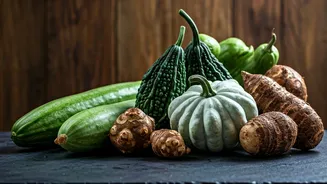
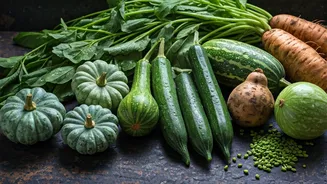
Light, hydrating, and incredibly easy to digest, bottle gourd is a monsoon superstar. With a water content of over 90%, it helps you stay hydrated. It’s also rich in fibre, which aids in digestion and prevents constipation—issues that can be aggravated during this season. Traditionally recommended in Ayurveda for its cooling properties, lauki is gentle on the stomach and low in calories, making it an excellent choice for a light yet nutritious meal. Its mild flavour makes it versatile enough for soups, curries, and even koftas. **Pro Tip:** Look for a lauki that is pale green, firm, and has smooth skin without any blemishes. A lighter-weight gourd for its size often indicates it is tender and fresh.
Pointed Gourd (Parwal)
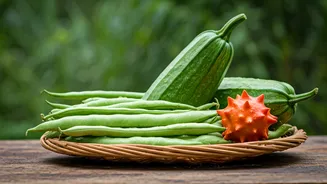
Often overlooked, the humble parwal is another vegetable that shines during the monsoon. It is rich in fibre, which promotes a healthy gut, and is loaded with vitamins A and C. In traditional Indian medicine, it’s often used to help manage colds, coughs, and fevers due to its ability to boost immunity. It's a low-calorie vegetable that is known to aid in purifying the blood and improving digestion. Its hardy nature means it is less prone to spoilage, making it a reliable choice when other vegetables might not be at their best. **Pro Tip:** Parwal can be used in a variety of dishes, from simple stir-fries (bhujia) to rich, gravy-based curries. For a quick dish, just slice and fry it with turmeric and salt.
Okra (Bhindi)
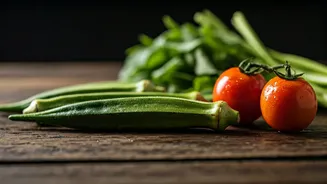
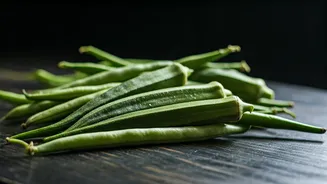
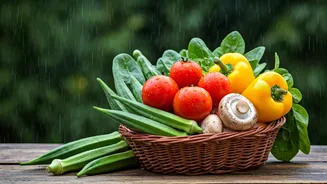
Lady's finger, or bhindi, is a fantastic source of both soluble and insoluble fibre, making it excellent for digestive health. This fibre helps regulate blood sugar and keeps you feeling full, preventing mindless snacking on rainy afternoons. Bhindi is also a good source of folate, Vitamin C, and Vitamin K. Its unique mucilage (the slimy substance) can actually help soothe the digestive tract. It's a great vegetable to include in your diet to ensure your gut microbiome stays balanced and healthy throughout the season. **Pro Tip:** To avoid the classic slimy texture, make sure the bhindi is completely dry before you start chopping. Frying or roasting it on high heat also helps keep the pieces crisp and separate.
Indian Squash (Tinda)
Also known as apple gourd, tinda is another easily digestible vegetable perfect for the monsoon. It has anti-inflammatory properties and a high water content, which helps keep the body hydrated and the digestive system running smoothly. It's very light on the stomach and is often recommended for people recovering from illness. Tinda is a good source of antioxidants and helps in flushing out toxins from the body. It's a gentle vegetable that can be prepared with minimal spices for a soothing meal. **Pro Tip:** Choose small, tender tinda that are bright green in colour. Avoid large, mature ones as they can have tough seeds and be less flavourful. They cook quickly and are delicious in simple, home-style curries.
A Note on Leafy Greens
You might have heard advice to avoid leafy greens like spinach (palak) and fenugreek (methi) during the monsoon. This caution comes from a valid place: the high humidity and damp soil can make these vegetables more susceptible to mud, grit, and microbial growth. However, you don't need to eliminate them entirely. If you choose to eat them, be extra diligent. Wash the leaves multiple times in running water, blanch them in hot water with a pinch of salt or turmeric, and always cook them thoroughly. Avoid eating them raw in salads during this season.