



The Power of Pulses (Dal)
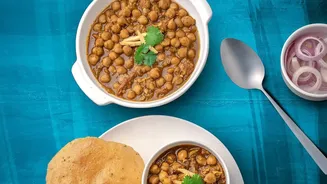
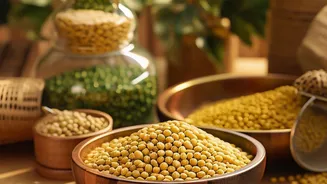
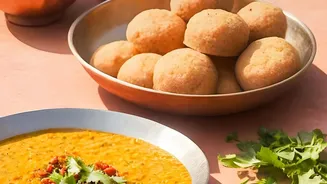
The humble dal is a cornerstone of Indian cuisine and a protein powerhouse. While toor dal is a staple, rotating a variety of dals can significantly enhance your nutritional intake. For instance, moong and masoor dal are not only rich in protein, with
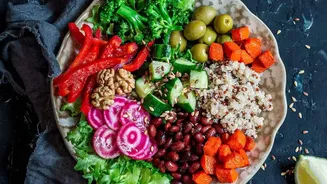
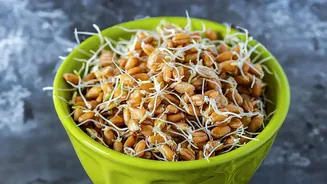
about 24 grams per 100g raw, but they are also light and easy to digest. Chana dal, a bit denser, leads the everyday pack with nearly 26 grams of protein per 100g raw. A single katori of cooked dal provides a solid 7-10 grams of protein. To diversify, try making chillas from moong dal batter for breakfast, adding cooked rajma (kidney beans) to salads, or using sprouted moth beans (matki) in a stir-fry. These simple swaps don't just add protein; they also introduce different textures and micronutrients into your diet.
Upgrade Your Grains and Cereals
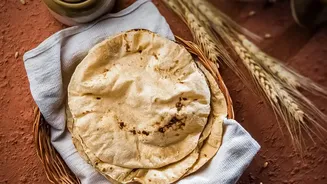
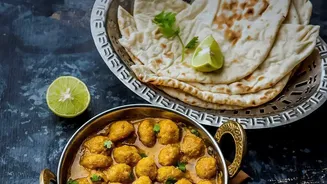
While wheat and rice are staples, ancient Indian grains and millets are making a well-deserved comeback. Millets like bajra (pearl millet) and jowar (sorghum) offer more protein than white rice, with bajra providing around 11 grams per 100g. You can easily incorporate them by making multi-grain rotis, using ragi (finger millet) flour for dosas, or preparing a hearty jowar upma. Another simple trick is to pair your grains with pulses. The classic combination of dal and rice, or dal with roti, isn't just comforting—it's scientifically sound. Legumes are high in the amino acid lysine, which grains lack, while grains have methionine, which is low in legumes. Together, they form a 'complete protein' that provides all the essential amino acids your body needs.
Delicious Dairy for a Protein Boost
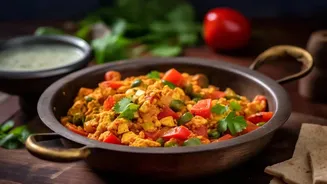
Dairy is another fantastic and accessible source of high-quality protein in a vegetarian diet. Paneer, or Indian cottage cheese, is a standout, offering a substantial 18-20 grams of protein per 100g serving. Adding paneer bhurji to your breakfast or tossing cubes into your vegetable sabzi is an effortless way to increase your meal's protein content. Curd (dahi) is another versatile option. While regular curd has about 3-4 grams of protein per 100g, you can easily double this by straining it to make hung curd. This thick, creamy curd can be used as a dip, a spread for sandwiches, or in raita. Even a simple glass of milk contributes around 8-9 grams of protein. Including a dairy component in each meal ensures a steady supply of complete protein throughout the day.
Simple Snacks and Smart Add-ins
Boosting protein doesn't have to be limited to main meals. Smart snacking can fill nutritional gaps effectively. A handful of roasted chana (Bengal gram) or peanuts can provide a quick 6-7 gram protein punch. Sattu, a flour made from roasted gram, is a traditional superfood popular in states like Bihar and Uttar Pradesh. A simple sattu drink is a refreshing and protein-rich snack. Nuts and seeds are also easy to incorporate. Sprinkling pumpkin seeds (about 9g of protein per 30g) or chopped almonds on your oatmeal, yogurt, or salads adds protein, healthy fats, and a satisfying crunch. The key is to think beyond the main course and use these small opportunities to build a more protein-diverse diet without any major overhaul to your daily routine.