



A Vision for a New India
Unlike the Mughal-era gardens or the colonial layouts of Lutyens' Delhi, Nehru Park is a product of post-independence ambition. Established in 1969 and named for India's first Prime Minister, Jawaharlal Nehru, the park was conceived as a modern green
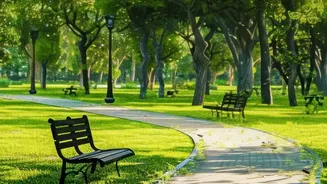
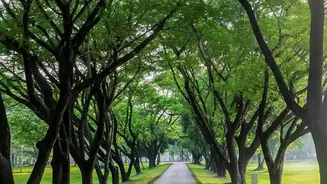
lung for a rapidly growing capital. Its foundation stone was laid in 1965 by then Prime Minister Lal Bahadur Shastri. Spread over 80 acres in the heart of the Chanakyapuri diplomatic enclave, its design was intentionally different. With its undulating grassy mounds, clusters of trees, and gently curving pathways, it was inspired by English landscape design but created by Indian horticultural experts to serve the residents of a new nation. Originally a slum area with a rocky outcrop, its transformation into a regional park was a statement of progress and a commitment to public recreational spaces.
The Diplomatic Green Lung
Its location is no accident. Situated amidst a high-security zone of international embassies and diplomatic residences, Nehru Park has always served a unique role. It was envisioned as a recreational space for the surrounding area and the city at large. Over the decades, it has become an informal retreat for diplomats, expatriates, and Delhi's bureaucrats seeking respite from their demanding schedules. The park’s serene atmosphere provides a neutral ground where the city’s international and local communities can intersect. In the early mornings and cool evenings, the paved tracks are filled with joggers and walkers from all corners of the globe, creating a cosmopolitan yet distinctly Delhi experience.
A Living Cultural Hub
Nehru Park is far more than just a place for a quiet stroll; it is a vibrant cultural venue. For years, it has been the setting for the much-loved 'Music in the Park' series, hosting 'Morning Ragas' and evening concerts that bring classical Indian music to the public in a relaxed, open-air setting. These events, often organised by bodies like the New Delhi Municipal Council (NDMC) and SPIC MACAY, feature renowned artists and are typically free to attend, making high culture accessible to all. Beyond music, the park hosts art events, yoga sessions, and the annual Bhakti Festival. This cultural programming ensures the park is not a static monument but a living, breathing part of Delhi's social fabric.
More Than Just Trees
While the park boasts a rich diversity of flora, with over 3,700 trees from more than 100 species, some features offer deeper context. Tucked away within its green expanse is an ancient Shiv Temple, a quiet space for devotion that predates the modern park. Perhaps more surprisingly, the park is home to a life-size statue of Vladimir Lenin. Unveiled in 1987 to mark the 70th anniversary of the October Revolution, the statue was a nod to India's Cold War-era ties with the Soviet Union and remains a gathering point for left-wing parties on Lenin's birth anniversary. More recently, after the G20 summit, the park became home to saplings gifted by participating nations, creating a new grove that symbolises global cooperation.