




More Than Just a Morning Walk
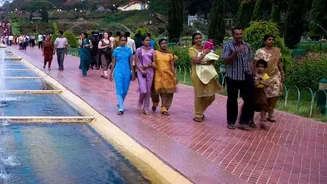
Across cities like Bengaluru, Mumbai, and Delhi, a new social scene is emerging before most of the city has had its first coffee. These are not your standard neighbourhood aunty-uncle walking clubs. Groups organised primarily through Instagram and WhatsApp
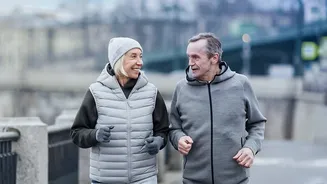
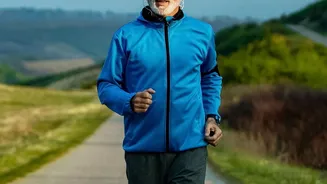
are bringing together hundreds of twenty-somethings for weekend walks in parks and along lakesides. Often followed by breakfast at a local eatery, these gatherings are less about hitting a step count and more about creating a low-pressure environment for real-world interaction. It’s a distinct shift from the high-intensity, performance-driven fitness culture that dominated the last decade. Here, the pace is conversational, the dress code is casual, and the primary goal is simply to show up and be present with others.
An Antidote to Digital Loneliness
Born as digital natives, Gen Z is paradoxically reported as the loneliest generation. A 2023 survey noted that more than half of Indian adults under 35 report frequent loneliness, despite being constantly connected online. The endless scroll of curated perfection on social media and the often transactional nature of dating apps have left many craving authentic human connection. These walking groups offer a simple solution. They provide a structured, safe, and inclusive space to meet new people without the anxiety of a formal event. As one Delhi-based psychologist noted, young people are creating these intentional offline spaces because 'presence itself is reassurance'. It’s a chance to have conversations that flow naturally, build friendships over a shared experience, and find a sense of belonging in increasingly isolating urban landscapes.
Redefining Weekend Wellness
For years, wellness was marketed as something to be bought: expensive gym memberships, high-tech wearables, and exclusive retreats. This new trend challenges that notion. Walking is free, accessible to nearly everyone regardless of fitness level, and focuses on holistic well-being over aesthetics. This aligns with a broader shift in values for Gen Z, who increasingly prioritize mental and emotional health. Deloitte's 2025 survey showed that Indian Gen Z values emotional well-being as much as financial success. These community walks cater directly to that, offering gentle physical activity, sunlight, fresh air, and social connection—all proven contributors to better mental health. It represents a move away from 'hustle culture' and towards a more balanced, 'slow living' approach to life and well-being.
From Online Clicks to Offline Steps
The irony is that this offline movement is powered by online tools. Organisers use Instagram to announce walk locations, WhatsApp groups to coordinate details, and platforms like Meetup to attract new members. Groups like 'Bangalore Morning Walkers' and Mumbai's 'Walking for Health' use these digital platforms to foster their communities. Similar trends are seen with running clubs, which have also exploded in popularity by blending fitness with socialising. The model is simple but effective: use technology not as the destination, but as a map to bring people together in the real world. This hybrid approach allows for both the scale of digital networks and the depth of in-person connection, creating a powerful formula for community building.