




Beyond the Usual Cup
When we think of a comforting hot drink from the Himalayan region, our minds often jump to Darjeeling tea. While celebrated, these are typically caffeinated black teas. The highlands of Sikkim and its neighbouring states, however, are home to a different
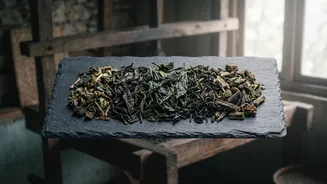
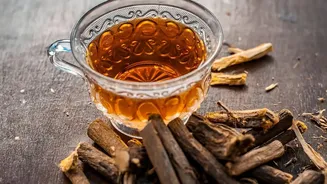
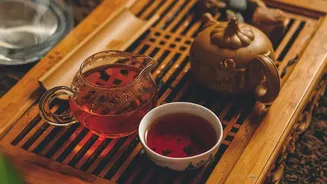
kind of beverage culture—one built on caffeine-free herbal infusions, or tisanes, designed for wellness and calm. These brews utilise a vast natural pharmacy of mountain herbs, flowers, and roots, each with a history of traditional use. Separately, the region also has a tradition of smoked teas, where leaves are dried over wood fires to impart a deep, resinous flavour. While these are usually caffeinated teas from areas like Manipur and Darjeeling, the smoky flavour profile is a distinct characteristic of Himalayan beverages, creating a bridge to the unique herbal blends taking root today.
The Heart of Himalayan Herbal Infusions
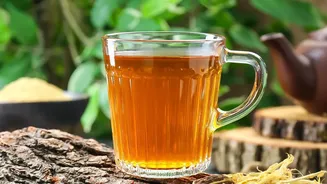
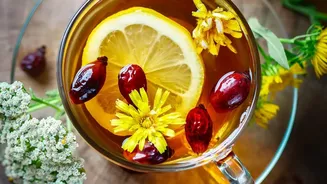
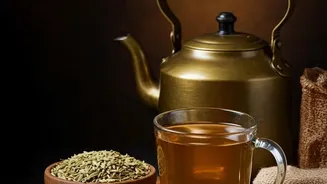
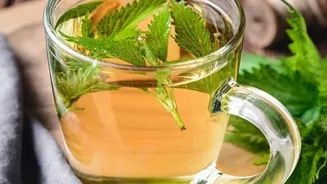
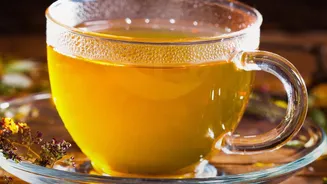
The true essence of Sikkim's evening hydration lies in its herbal tisanes. Sourced from pristine, high-altitude environments, these infusions are naturally free from caffeine, making them ideal for unwinding before sleep. Local communities have for generations relied on plants known for their restorative properties. Popular ingredients include wild nettle, which is used to alleviate indigestion and joint pain, and holy basil (Tulsi), a revered adaptogen believed to reduce stress and boost immunity. Another favourite is Himalayan lemongrass, a fragrant herb that promotes relaxation and can help soothe stomach ailments. These are not just simple drinks; they are considered a part of holistic wellness, offering hydration packed with antioxidants and compounds that support the body's natural balance.
A Special Mention: Rhododendron Tea
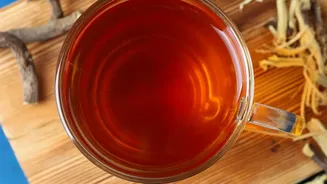
Perhaps one of the most iconic Himalayan herbal brews is made from the vibrant red flowers of the Rhododendron tree, known locally as Buransh. This beautiful crimson infusion has a unique floral flavour and is traditionally consumed to support heart health, reduce inflammation, and improve digestion. Packed with antioxidants, it is valued in folk medicine for its ability to help clear congestion and provide a gentle, caffeine-free energy boost. The process often involves sun-drying handpicked flowers to preserve their natural properties, resulting in a brew that is as visually stunning as it is beneficial. It represents the deep connection between the people of the Himalayas and the flora that sustains them.
A Note on Wellness and Safety
While many Himalayan herbs are enjoyed safely, it is crucial to approach them with awareness. Rhododendron tea, for example, requires particular caution. Certain species of rhododendron contain compounds called grayanotoxins, which can cause side effects like dizziness, nausea, and a drop in blood pressure if consumed in significant amounts. This is the same compound responsible for so-called 'mad honey'. Because toxin levels can vary greatly between species and preparations, it is vital to source these products from reputable suppliers who clearly identify the plant part and species used. For most people, occasional enjoyment is fine, but regular consumption should be discussed with a healthcare professional, especially for those with existing health conditions or who are pregnant.
The Modern 'Smoked' Herbal Brew
The concept of a 'smoked herbal brew' is also evolving in a modern context. A new category of products emerging from the region includes herbal blends designed to be used in two ways: steeped as a soothing tea or used as a tobacco-free smoking blend. These mixes often contain a variety of herbs from the Himalayan range intended to promote relaxation and relieve anxiety. While distinct from the traditional wood-smoked teas, they connect the ideas of 'smoking' and 'herbal brews' in a new way, offering a ritualistic experience centred on natural, nicotine-free ingredients. This contemporary trend speaks to the continued innovation within the world of Himalayan plant-based wellness, blending ancient herbal knowledge with modern habits.