





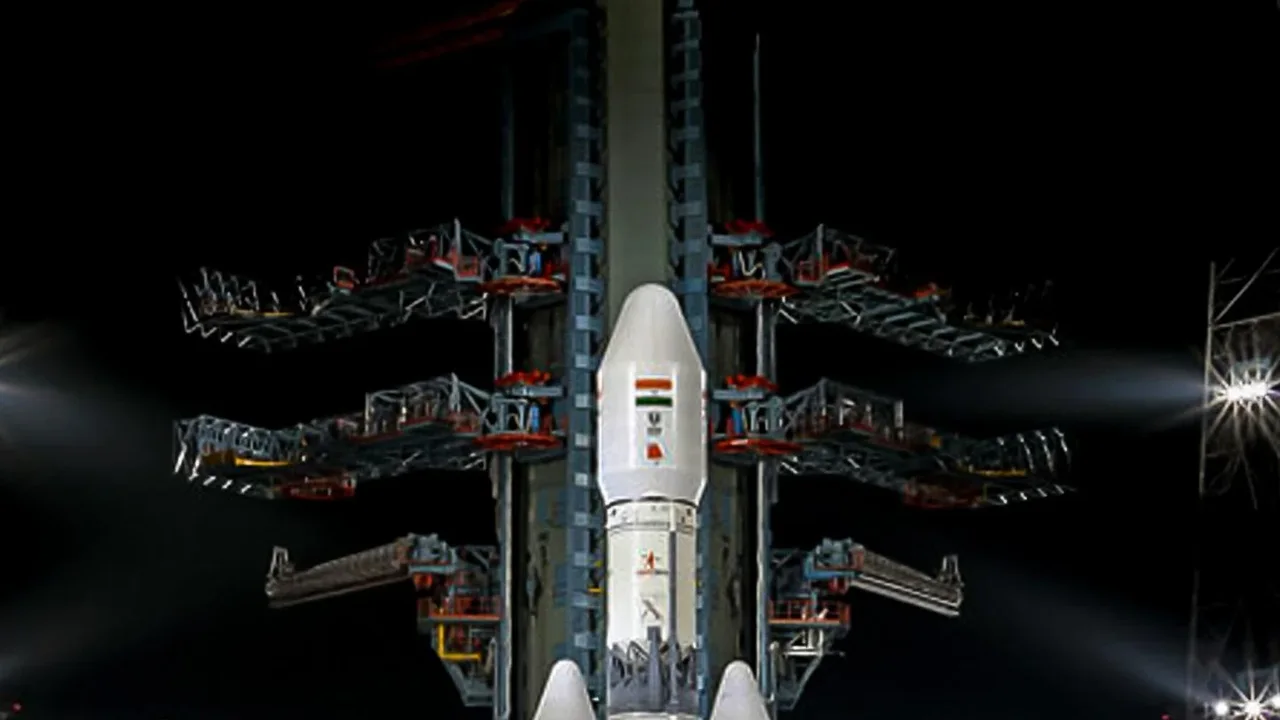


A New Space Race Fueled by Startups
For decades, India's journey into space was a government-led endeavour, synonymous with the Indian Space Research Organisation (ISRO). Today, the landscape is transforming at warp speed. Following policy reforms in 2020 that opened the sector to private
enterprise, India has seen an explosion of space-tech startups. The number has grown from just one in 2014 to over 400 by 2026. These companies are not just supporting ISRO; they are building their own launch vehicles, designing satellite constellations, and developing new applications for space technology. This shift is creating a vibrant new economic sector. India's space economy, valued at around $8.4 billion in 2023, is projected to reach $44 billion by 2033. This rapid expansion is creating thousands of new jobs and fundamentally changing what a career in the space industry looks like.
The Downstream Data Gold Rush
Much of the growth is happening not in launching rockets, but in using the data they send back. This is the 'downstream' sector, and it's where many new, non-traditional space careers are emerging. Companies are harnessing satellite imagery and signals for everything from agriculture and insurance to urban planning and disaster management. This has created a surge in demand for satellite data analysts, remote sensing experts, and GIS specialists who can turn raw data into actionable insights. For example, firms like SatSure and Pixxel are hiring data scientists to help farmers monitor crop health or assist local governments in managing resources. These roles require skills in data modelling, Python programming, and geospatial analysis, opening a pathway into the space sector for tech professionals from diverse backgrounds.
The Business of Building a Space Economy
With over 400 private space companies now in the ecosystem, the industry is no longer just about science—it's about business. These startups need professionals who can secure funding, market their services, and navigate a complex regulatory environment. This has opened the door for business development managers, finance experts, and marketing strategists. Furthermore, as the industry matures, it requires specialised legal and policy expertise. Space lawyers are needed to handle contracts and international regulations, while policy analysts help shape the governance of India's growing space activities. These roles are crucial for building a sustainable commercial ecosystem and are perfect for graduates with backgrounds in public policy, law, international relations, or finance.
Manufacturing and Support Systems
While rocket science remains central, the private sector's entry has broadened the scope of engineering and technical roles. There is a growing need for aerospace technicians who build, test, and maintain spacecraft components, creating opportunities for those with vocational training in mechanics and electronics. The goal is to build a resilient domestic supply chain for space component manufacturing, which will require a skilled workforce in advanced manufacturing and materials science. Beyond the core technology, a support infrastructure is also developing. As space tourism and complex satellite constellations become a reality, even roles in hospitality and specialised insurance are being envisioned for the future.
Bridging the Skill Gap
Despite the explosion of opportunities, a key challenge is a shortage of talent. Companies report that they often have to hire from adjacent industries and invest heavily in training. To address this, organisations like IN-SPACe, the agency set up to promote the private space sector, are working to incorporate space-focused curricula in universities and establish skill development courses. For students and professionals looking to enter this field, the message is clear: core engineering skills are valuable, but combining them with expertise in data science, AI, robotics, or business management can provide a significant advantage in this new and exciting job market.