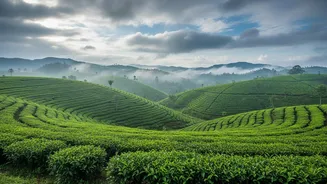



Munnar, Kerala: Emerald Tea Gardens
Often called the ‘Kashmir of South India’, Munnar’s real magic unfolds during the monsoon. The season breathes new life into its sprawling tea plantations, painting the rolling hills in countless shades of green. Low-hanging clouds and a gentle mist create
a romantic, serene atmosphere, perfect for a quiet getaway. The rain feeds spectacular waterfalls like Attukal and Lakkam, which are at their most powerful and dramatic during these months. A stroll through the mist-covered tea gardens, a visit to a local tea museum, or a drive to viewpoints like Echo Point become even more memorable. With fewer tourists, it's the ideal time to enjoy the peaceful atmosphere and even find better deals on accommodation.
Coorg, Karnataka: The Scotland of India
Nestled in the Western Ghats, Coorg, or Kodagu, is a coffee-growing region that turns into a lush, green wonderland with the arrival of the rains. Often called the 'Scotland of India', its landscape of misty hills, roaring waterfalls, and dense forests is breathtaking during this time. Key attractions like Abbey Falls and Iruppu Falls, which are modest in other seasons, become powerful torrents. The monsoon encourages a slower pace of travel, perfect for enjoying a hot cup of locally grown coffee on a homestay veranda while watching the rain. While outdoor activities can be limited by heavy showers, the atmosphere and scenery are what make a monsoon trip to Coorg truly special. For those prepared with rain gear, the misty viewpoints and verdant coffee estates offer an unparalleled experience.
Udaipur, Rajasthan: The City of Lakes Reborn
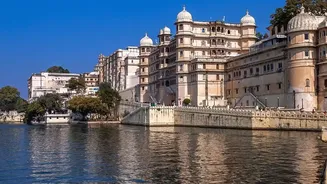
While Rajasthan is known for its arid landscapes, the monsoon brings a surprising and magical transformation to Udaipur. The city’s famous lakes, like Pichola and Fateh Sagar, fill to the brim, beautifully reflecting the majestic palaces and the dramatic monsoon sky. The surrounding Aravalli Hills, brown and dry for most of the year, are covered in a carpet of fresh green. The Sajjangarh Palace, aptly named the Monsoon Palace, offers panoramic views of the rain-washed city and was historically used by royals to watch the clouds roll in. A boat ride on the lakes during a cool, overcast evening is an unforgettable experience. The cooler weather and smaller crowds make it the perfect time to explore the city's romantic heritage at a relaxed pace.
Valley of Flowers, Uttarakhand: A Himalayan Paradise
A UNESCO World Heritage Site, the Valley of Flowers in Uttarakhand is a high-altitude Himalayan valley that lives up to its name, especially during the monsoon. From July to September, the valley floor is covered with hundreds of species of alpine flowers in full bloom, creating a vibrant carpet of colour against a backdrop of snow-capped peaks. The monsoon rains are precisely what trigger this spectacular floral explosion. The trek to the valley, starting from Ghangaria, is an adventure in itself, taking you through lush forests, past gushing streams, and alongside misty mountain slopes. The journey is considered moderately difficult but is accessible to beginners with a decent fitness level. August is often cited as the absolute best time to witness the peak bloom.
Meghalaya: The Abode of Clouds
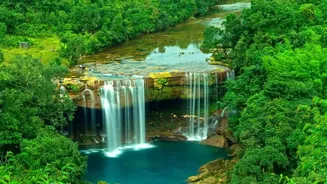
For those who truly love the rain, there is no better destination than Meghalaya, which is home to some of the wettest places on Earth. During the monsoon, the state lives up to its name, 'the abode of clouds', with landscapes that are intensely green and alive. Waterfalls like Nohkalikai and Seven Sisters Falls, located near Cherrapunji, are at their most thunderous and spectacular. The famous living root bridges, unique to this region, appear even more mystical against the misty, rain-drenched backdrop. Unlike many other destinations where rain can be a hindrance, Meghalaya's infrastructure is adapted to it, and the rain is the main attraction, making it a unique and awe-inspiring travel experience.