



The Familiar European Itinerary
For many Indian travellers, a European holiday is a rite of passage. The allure is undeniable: posing before the Eiffel Tower, gliding through Venetian canals, or tracing ancient history at the Colosseum in Rome. These are postcard moments, fuelled by
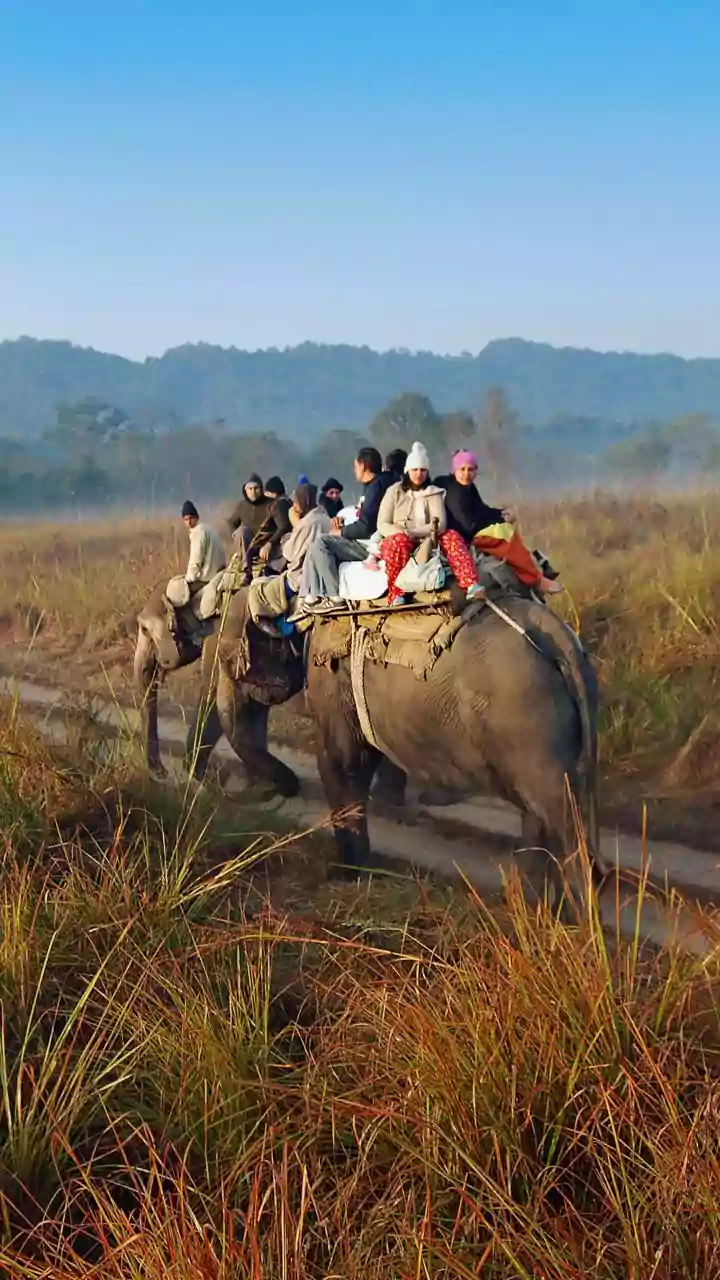
decades of cinema and popular culture. Yet, this dream often comes with a hefty price tag, not just in euros, but in experience. The summer rush means battling crowds for a glimpse of the Mona Lisa, long queues under a scorching sun, and restaurants catering more to tourist wallets than authentic palates. The trip can sometimes feel less like a discovery and more like a checklist of photo opportunities, leaving you with a drained bank account and a sense of having seen everything, but experienced little.
The Whisper of the Thunder Dragon
Now, consider an alternative. Bhutan, the last great Himalayan kingdom, operates on a different philosophy entirely. Famously prioritizing 'Gross National Happiness' over Gross Domestic Product, the country has curated its own path, and this extends to how it welcomes visitors. Instead of mass tourism, Bhutan champions a 'High Value, Low Volume' approach. This isn't about elitism; it's about sustainability and preserving a culture that is both ancient and vibrantly alive. For travellers, this translates into an experience of unparalleled authenticity. You are not just a tourist; you are a guest in a nation that is actively protecting its heritage and environment, and your visit contributes directly to that preservation.
Walking Through Living History
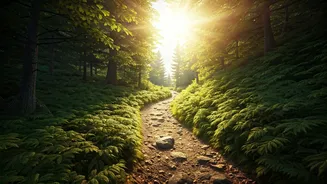
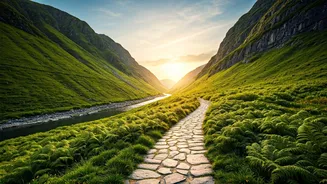
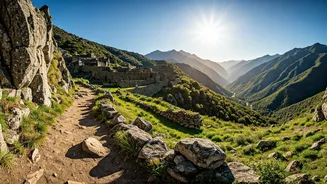
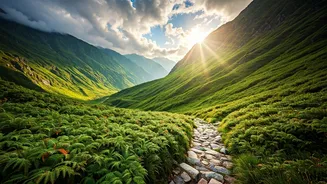
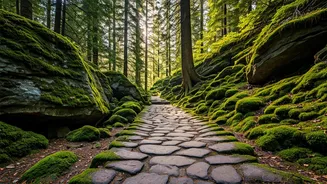
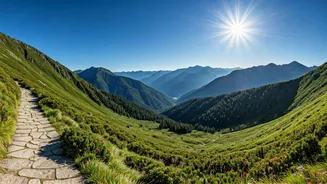
The 'cultural trails' of Bhutan are not manicured tourist paths. They are the same routes that monks, traders, and farmers have walked for centuries. The most famous of these is the Trans Bhutan Trail, a recently restored 403-kilometre path that traverses the country. You don't need to walk all of it; even a few days on the trail offers an immersion into a different world. Imagine trekking through pristine rhododendron forests, prayer flags fluttering in the wind, and arriving at a cliffside monastery like the iconic Paro Taktsang (Tiger's Nest). Along the way, you’ll stay in charming local farmhouses, share stories over a cup of butter tea, and witness festivals that are not performances for tourists, but vital, pulsating parts of community life. This is not just sightseeing; it is a deep, soulful engagement with a place and its people.
Rethinking 'Costly' vs. 'Value'
The word 'costly' is relative. Yes, Bhutan has a mandatory Sustainable Development Fee (SDF) for tourists. However, for Indian passport holders, this fee is significantly lower: INR 1,200 per person, per day. Other nationalities pay USD 100. When you compare the total cost of a ten-day trip—flights, accommodation, food, and experiences—Bhutan can often present far greater value than a multi-city European tour. The SDF isn't just a fee; it's an investment. It funds the country's free healthcare and education, infrastructure projects, and conservation efforts. Instead of your money going to an overcrowded tourist trap, it supports a sustainable and equitable model. You leave knowing your journey had a positive impact, a feeling that is truly priceless.
A Journey Closer to Home
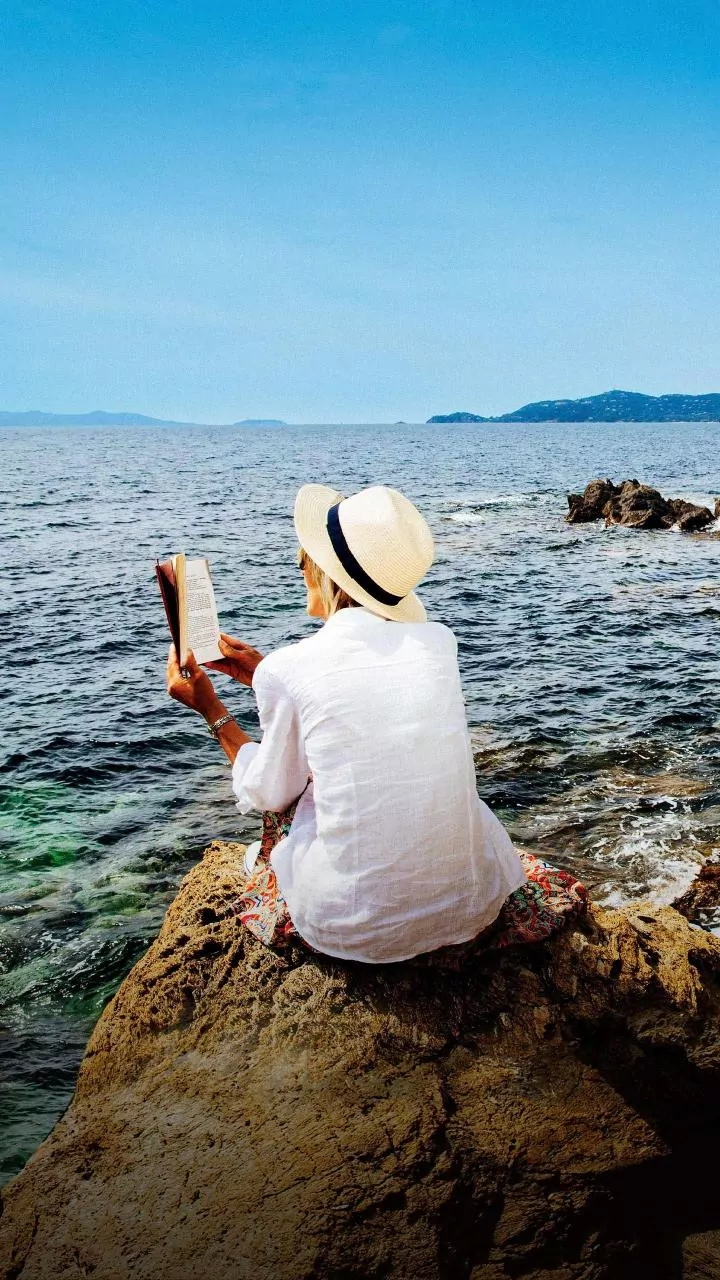
For Indians, the logistical ease adds to Bhutan's appeal. Flights are short and frequent from major cities like Delhi and Kolkata. No complex Schengen visa applications are needed; Indian citizens can enter with a valid passport or voter ID card. This proximity means you spend less time in transit and more time exploring. The cultural connection is also palpable, with shared spiritual roots in Buddhism. It feels both wonderfully exotic and comfortingly familiar. In a world that constantly urges us to move faster and see more, Bhutan offers a rare chance to slow down, breathe, and connect—with nature, with culture, and with yourself.