






An Essential Time for New Life
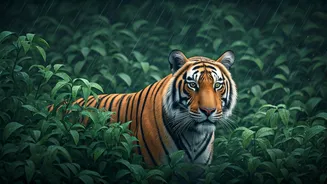
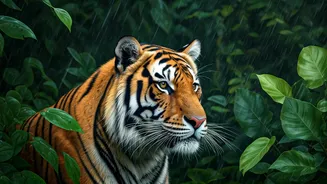
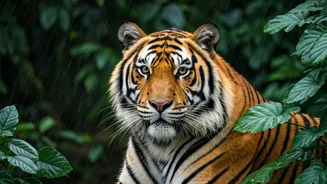
One of the primary reasons for the seasonal closure is to give animals privacy during their breeding season. The monsoon months are a critical time for many species to mate and raise their young. With the forest floor transformed into a lush, green nursery,
animals need an environment free from human disturbance to ensure the survival of the next generation. Restricting human movement allows wildlife to breed and nest without stress. This quiet period is fundamental for the long-term health and sustainability of the animal populations within these protected areas. The temporary shutdown ensures that the parks remain vibrant ecosystems teeming with life for years to come.
Letting the Forest Heal and Grow
The monsoon is nature's reset button. After the harsh, dry summer, the rains bring a much-needed period of rejuvenation for the entire ecosystem. The annual flooding in parks like Kaziranga, while seemingly destructive, is vital for the habitat. It helps distribute nutrients, replenish the soil, and wash away invasive plant species, ensuring the grasslands that animals like rhinos depend on remain healthy and productive. This period of intense growth transforms the parched landscape into a verdant paradise, with fresh vegetation providing ample food for herbivores. Allowing the forest to regenerate without the pressure of safari vehicles ensures the habitat remains robust and balanced.
When Jungle Trails Become Unsafe
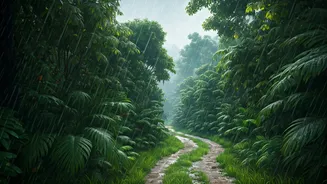
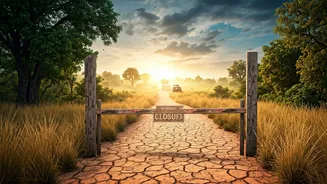
From a purely practical standpoint, safety is a major concern during the monsoon. The heavy and persistent rains turn the unpaved dirt tracks used for safaris into slushy, waterlogged, and often impassable routes. Rivers and streams can swell, flooding low-lying areas and making crossings extremely dangerous for safari jeeps. The risk of vehicles getting stuck or navigating slippery, treacherous terrain is high, posing a significant danger to both tourists and park staff. Authorities close the core zones of most parks to prevent accidents and ensure visitor safety during this unpredictable season.
A Chance for Essential Park Upkeep
The tourist-free monsoon period also provides a valuable window for park authorities to carry out essential maintenance and administrative work. This includes repairing roads and bridges damaged by the rains, improving visitor facilities, and conducting anti-poaching patrols and surveillance without the constant flow of safari traffic. This downtime is crucial for ensuring the park’s infrastructure is in top condition and ready for when visitors return post-monsoon. It allows for better management and conservation efforts that would be difficult to undertake during the busy tourist season.
Not a Total Shutdown
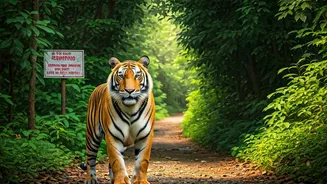
While the core areas of most major national parks like Jim Corbett, Ranthambore, and Kanha close, it doesn't mean the wilderness is entirely off-limits. Many reserves keep their buffer zones open for tourism. Safaris in these zones offer a different kind of experience: the forests are incredibly lush and green, there are fewer crowds, and the atmosphere is magical. While spotting tigers might be more challenging due to the dense vegetation, the birdlife is often spectacular, and the landscape itself becomes the main attraction. Furthermore, some parks, particularly in Southern India like Periyar and Nagarhole, remain open year-round, offering unique water-based safaris and green, misty landscapes.