





Your Pre-Drive Monsoon Car Checklist
Before you chase the rains, ensure your vehicle is ready for the challenge. A pre-monsoon check is non-negotiable. First, inspect your tyres for adequate tread depth; good grip is crucial on slippery roads. Replace worn-out wiper blades that streak water
instead of clearing it. Top up your windshield washer fluid, preferably with a rain-repellent additive. Test all lights—headlights, tail lights, and especially fog lamps, as visibility can drop to near-zero in the ghats. Also, confirm your brakes are in excellent condition and that your AC and defogger work effectively to prevent the windshield from fogging up internally.
Choosing Your Route: The Scenic Options
You have two primary routes from Bangalore, each offering a unique flavour of the Malnad region. The most popular and scenic route is via Hassan and Chikmagalur (approx. 350-380 km). This path takes you through NH75 to Hassan, then through Belur, Chikmagalur, and Sringeri before you reach Agumbe. While slightly longer, it offers beautiful views, opportunities to stop at coffee estates, and well-maintained roads for the most part. The alternative route is via Tumkur, Sira, and Thirthahalli. This route can be faster but might have ongoing road work in sections. For both routes, it's wise to download offline maps, as mobile networks can be unreliable in the dense forest areas. Also, fill up your fuel tank in larger towns like Hassan or Thirthahalli, as petrol pumps become scarce later.
Navigating the Agumbe Ghat: Monsoon Driving Tips
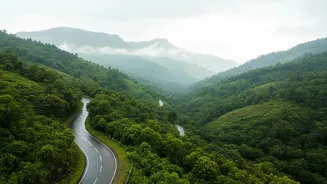
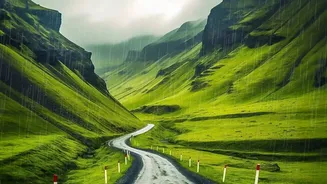
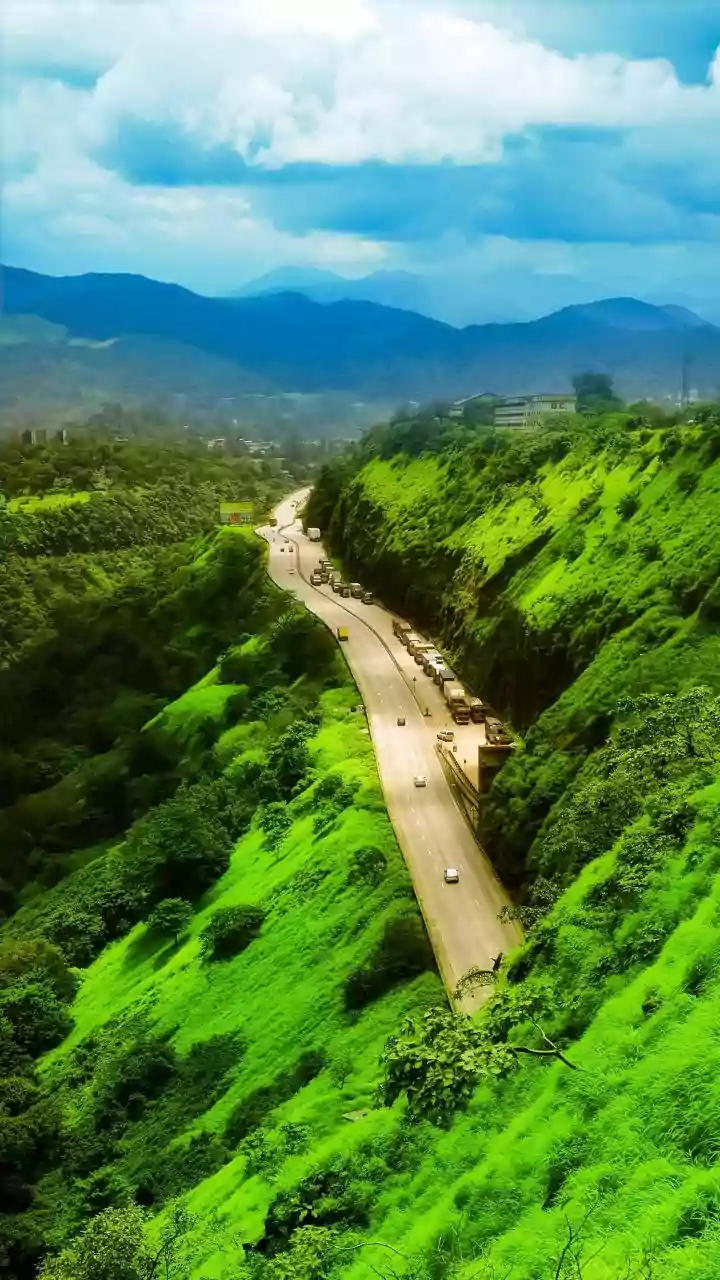
The Agumbe Ghat road (NH-169A) is legendary for its beauty and its sharp hairpin bends. During the monsoon, it demands your full attention. The roads are narrow, often engulfed in thick fog, and can be very slippery. Drive at a moderate speed, stick to your lane, and honk at blind curves to alert oncoming traffic. Maintain a greater distance from the vehicle ahead. Be aware that authorities often ban heavy vehicles on this route during peak monsoon to prevent landslides, which can make the drive smoother for cars but highlights the existing risks. Avoid driving on the ghat at night, as poor visibility and a lack of road markings in some stretches make it extremely hazardous.
Must-Stop Photography Spots
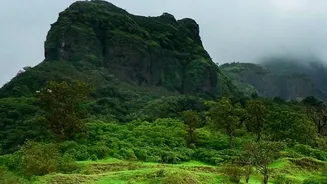
This route is a photographer's delight. The Agumbe Ghat itself, with its numerous viewpoints overlooking the mist-filled valleys, is the main attraction. The iconic Sunset View Point in Agumbe is a must-visit, although a clear sunset is a rare gift during the heavy monsoon; the view of the clouds is still spectacular. A short drive from Agumbe takes you to Kundadri Hill, home to a 17th-century Jain temple and offering panoramic views of the Western Ghats. For waterfall lovers, Onake Abbi Falls, Barkana Falls, and Jogi Gundi Falls are all accessible with short treks and are at their most powerful during the rains. The ancient temple town of Sringeri, on the banks of the Tunga River, is another culturally rich and picturesque stop.
Essential Packing List for a Monsoon Trip
Beyond your car's toolkit, your personal packing list needs a monsoon focus. Pack waterproof jackets and quick-drying clothes. A sturdy pair of shoes with good grip is essential for exploring, as paths can be slippery and muddy. Agumbe is also famous for its leeches, so carrying salt, or antiseptic liquid is advisable for treks. A reliable power bank is a must, as electricity can be intermittent in homestays. Don't forget a first-aid kit with essentials for minor cuts and insect bites. Lastly, pack a flask with a hot beverage for those chilly, rain-soaked evenings.