

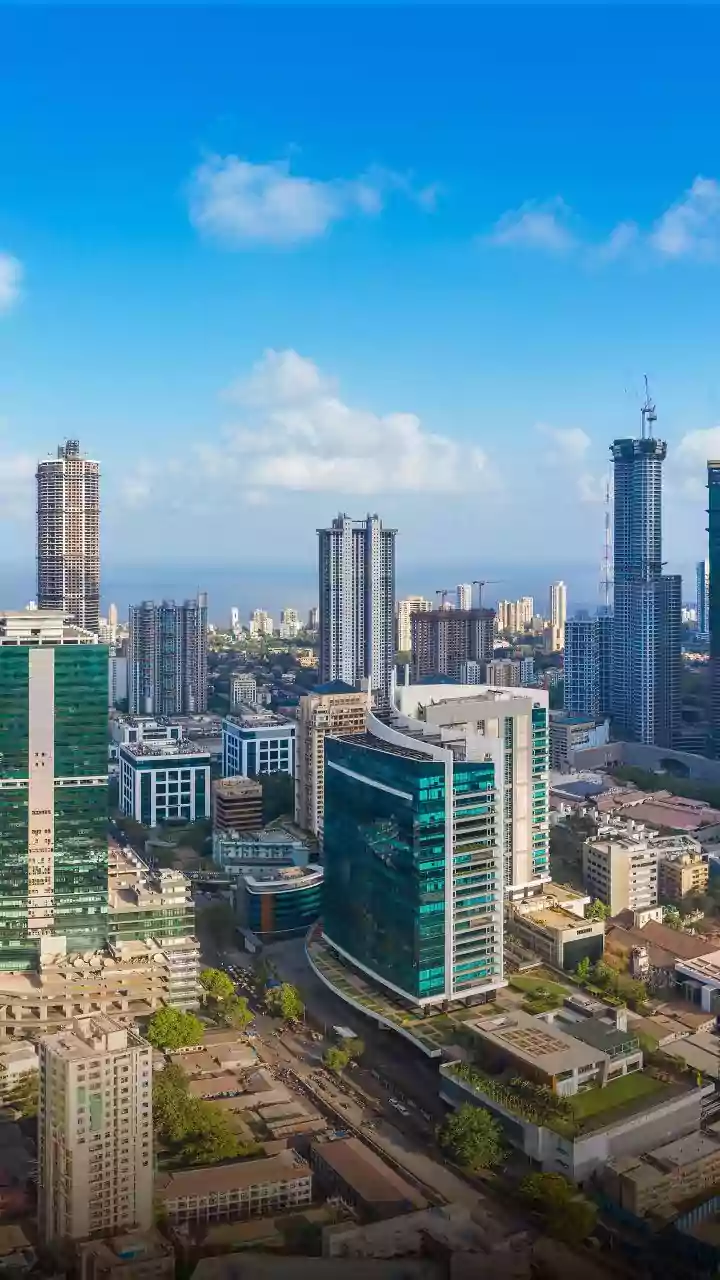





The festive hiring rush in India is no longer just a big-city story. A significant shift is underway, with smaller cities and towns emerging as the new engines of seasonal employment, reshaping India’s economic and talent landscape.
The E-commerce and Quick-Commerce Boom
The primary driver
of this decentralised hiring spree is the explosive growth of e-commerce, and more recently, quick-commerce. As companies like Amazon, Flipkart, and Zepto push deeper into the country, they need a robust network to manage orders and ensure timely deliveries. This has led to a massive demand for seasonal workers in roles such as delivery executives, warehouse staff, and logistics coordinators. Reports indicate that hiring demand in Tier-2 and Tier-3 cities is growing at nearly twice the rate of metros, with some estimates showing a 22-25% increase in these regions. Cities like Jaipur, Lucknow, Coimbatore, and Nagpur are becoming critical hubs for festive fulfilment, helping companies get closer to a burgeoning consumer base.
Improved Infrastructure and Digital Access
This expansion wouldn't be possible without significant upgrades in both physical and digital infrastructure. Better highways, improved logistics networks, and widespread internet penetration have made it viable for businesses to operate efficiently outside major urban centres. The universal adoption of digital payment systems has further enabled e-commerce and retail companies to tap into new markets. This improved connectivity means companies can build fulfilment centres and last-mile delivery stations in hundreds of smaller cities, creating thousands of jobs that were once concentrated in metropolitan areas. This foundational support allows for a more distributed economic model, where growth is not limited by geography.
A Changing Talent Landscape
The trend is also fuelled by a two-way street of talent dynamics. For companies, smaller cities offer access to a fresh, untapped talent pool. Employers report that this workforce often exhibits lower attrition and stronger employee loyalty. From a cost perspective, the benefits are clear: operating costs can be 10-35% lower than in major business centres, and talent costs can be significantly less, especially for specialised skills. On the other side, professionals and workers in these cities are increasingly choosing to stay closer to home. Factors like a lower cost of living, better work-life balance, and the ability to be near family are becoming just as important as salary. The rise of remote and hybrid work models has further empowered this choice, making non-metro cities attractive career destinations.
More Than Just Delivery Jobs
While logistics and e_commerce roles dominate seasonal hiring, the opportunity in smaller cities is broadening. The rise of Global Capability Centres (GCCs) and a boom in the IT services sector are creating high_skill jobs in cities like Coimbatore, Kochi, and Indore. These hubs are seeing a surge in demand for roles in IT, analytics, digital marketing, and even AI_led functions. Manufacturing and engineering are also major drivers, expected to create significant hiring demand over the next few years. This diversification shows that the economic awakening in Tier_2 and Tier_3 cities is not just a temporary, festive phenomenon but a structural shift creating a more resilient and geographically varied job market. Even white_collar gig work, such as for marketing campaigns and content creation, is seeing an uptick during the festive season.