




The Unseen Pollutants in Your Kitchen
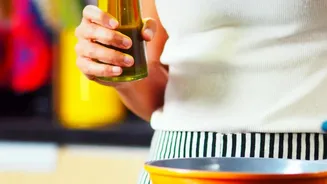
When you cook, especially with high heat like frying, searing, or preparing a traditional tadka, it releases more than just delicious aromas. Cooking produces a complex mix of pollutants. The most significant is fine particulate matter, known as PM2.5.
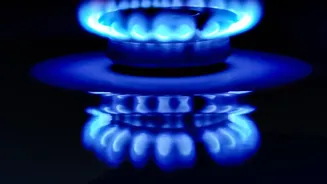
These are microscopic particles that can travel deep into your lungs and even enter your bloodstream. In addition to particles, cooking, particularly on gas stoves, releases gases like nitrogen dioxide (NO₂) and carbon monoxide (CO). Volatile Organic Compounds (VOCs) are also released from heating cooking oils and fats, which can include substances like formaldehyde and benzene. These pollutants, while invisible, are the primary culprits behind poor indoor air quality from cooking.
Why Winter Makes It Worse
During colder months, our natural instinct is to shut windows and doors to conserve heat. While this keeps us warm, it drastically reduces ventilation. Without a path to escape, the pollutants generated from cooking accumulate inside, leading to concentrations that can be two to five times higher than outdoor levels. This sealed environment means that gases and particles from a single meal can linger for hours, circulating throughout your entire home. This lack of fresh air exchange is the key reason why cooking poses a greater risk to your indoor air quality during winter compared to other seasons when windows are more likely to be open.
Health Risks of Trapped Cooking Fumes
Exposure to high levels of indoor pollutants from cooking can have both short-term and long-term health effects. In the short term, you might experience headaches, dizziness, eye and throat irritation, or a worsening of allergy and asthma symptoms. Children and the elderly are particularly vulnerable. Long-term exposure is more concerning, as it has been linked to chronic respiratory issues, reduced lung function, heart disease, and an increased risk of lung cancer. The World Health Organization has identified indoor air pollution from cooking as a significant global health risk.
Ventilation: Your First and Best Defence
The most effective way to combat cooking smoke is proper ventilation. If you have a range hood or chimney that vents to the outside, use it every single time you cook—not just when you see smoke. For best results, turn it on a few minutes before you start cooking and leave it running for 10-15 minutes after you finish to clear any lingering fumes. Whenever possible, cook on the back burners as this allows the hood to capture emissions more effectively. If you don't have an external-venting hood, open a window or a door, even just slightly, and use an exhaust fan in a nearby bathroom to help pull polluted air out of your living space.
Smarter Cooking Habits for Cleaner Air
Simple adjustments to your cooking routine can also make a difference. Using lids on pots and pans helps contain grease and moisture. Choosing cooking oils with a higher smoke point, like avocado or canola oil, can reduce the amount of smoke produced during high-heat cooking. Keeping your stovetop and oven clean is also crucial, as built-up grease and food residue can burn and create excess smoke. Finally, try to avoid overheating your pans; start with lower heat and increase it gradually as needed to minimise the creation of fumes.
The Role of Air Purifiers
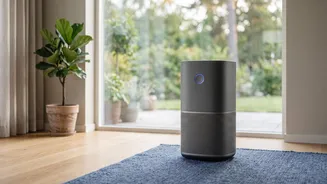
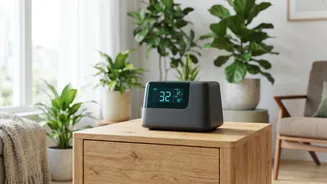
For an additional layer of protection, an air purifier can be a valuable tool. To be effective against cooking fumes, you need a model equipped with both a HEPA filter and an activated carbon filter. The HEPA filter is designed to capture fine particles like smoke and grease, while the activated carbon is essential for adsorbing the gases and VOCs that cause odours. While a purifier won't replace the need for good ventilation, it can significantly help reduce the level of airborne contaminants that escape the kitchen and circulate into other rooms.