
Choosing the Best Time to Visit
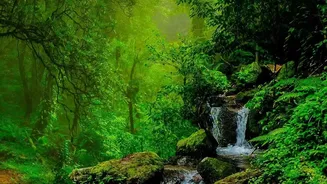
Deciding when to visit Sohra depends entirely on what you want to experience. The monsoon season, from June to September, is when the waterfalls are at their most ferocious and spectacular. The entire landscape is a vibrant, lush green, shrouded in mist,
creating a mystical atmosphere. However, heavy rains can cause travel disruptions. For clearer skies, pleasant weather, and ideal trekking conditions, the post-monsoon and winter months from October to February are perfect. During this time, the rivers run clear and the weather is cool and comfortable, making it the best season for hiking to the root bridges and exploring caves.
Getting There and Around
The primary gateway to Sohra is Guwahati, which has the nearest major airport and railway station with broad connectivity. From Guwahati, it’s a scenic 4 to 5-hour drive covering approximately 150 km to Sohra. You can hire a private taxi or take a shared cab. Many travellers first go to Shillong, Meghalaya's capital (about 100 km from Guwahati), and then take another 2-hour cab ride to Sohra. Once in Sohra, local transport is limited. Hiring a private taxi for sightseeing is the most convenient option to navigate the winding roads and reach various viewpoints and trailheads.
Where to Stay: From Town to Village
Sohra offers a range of accommodation options. In the main town, you can find comfortable hotels and resorts that serve as a great base for exploring the region. For a more immersive and rustic experience, consider staying in a homestay in Nongriat village, the location of the famous Double Decker Root Bridge. These homestays are basic but offer incredible hospitality and the unique advantage of being right next to the main attraction, allowing you to explore at a relaxed pace without the exhausting same-day return trek. Booking in advance, especially during peak season (October-February), is highly recommended.
The Main Event: The Living Root Bridges
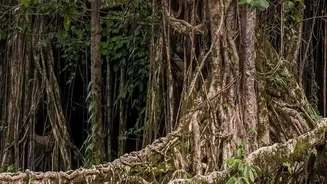
The highlight for many visitors is the trek to the Living Root Bridges, a stunning example of bio-engineering by the local Khasi people. The most famous is the Double Decker Root Bridge in Nongriat village. Reaching it requires a challenging trek that starts from Tyrna village, a short drive from Sohra. The trail involves descending approximately 3,500 steep stone steps. The trek is about 3 km one-way and can take around 4-6 hours for a round trip, depending on your fitness. Along the way, you'll cross wobbly suspension bridges and smaller, single root bridges. While it can be done as a day trip, staying overnight in Nongriat is often recommended to fully appreciate the serene environment and avoid a tiring ascent on the same day.
Chasing Sohra's Magnificent Waterfalls
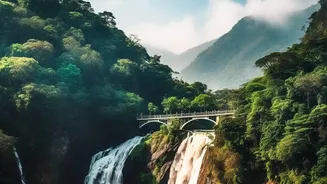
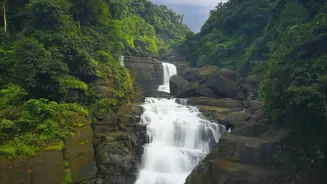
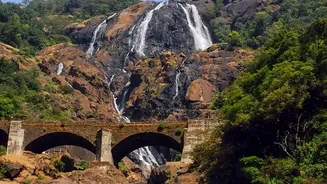
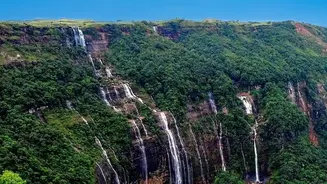
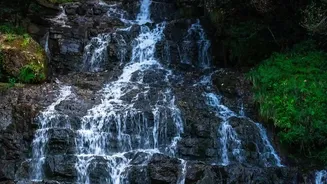
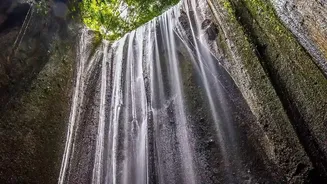
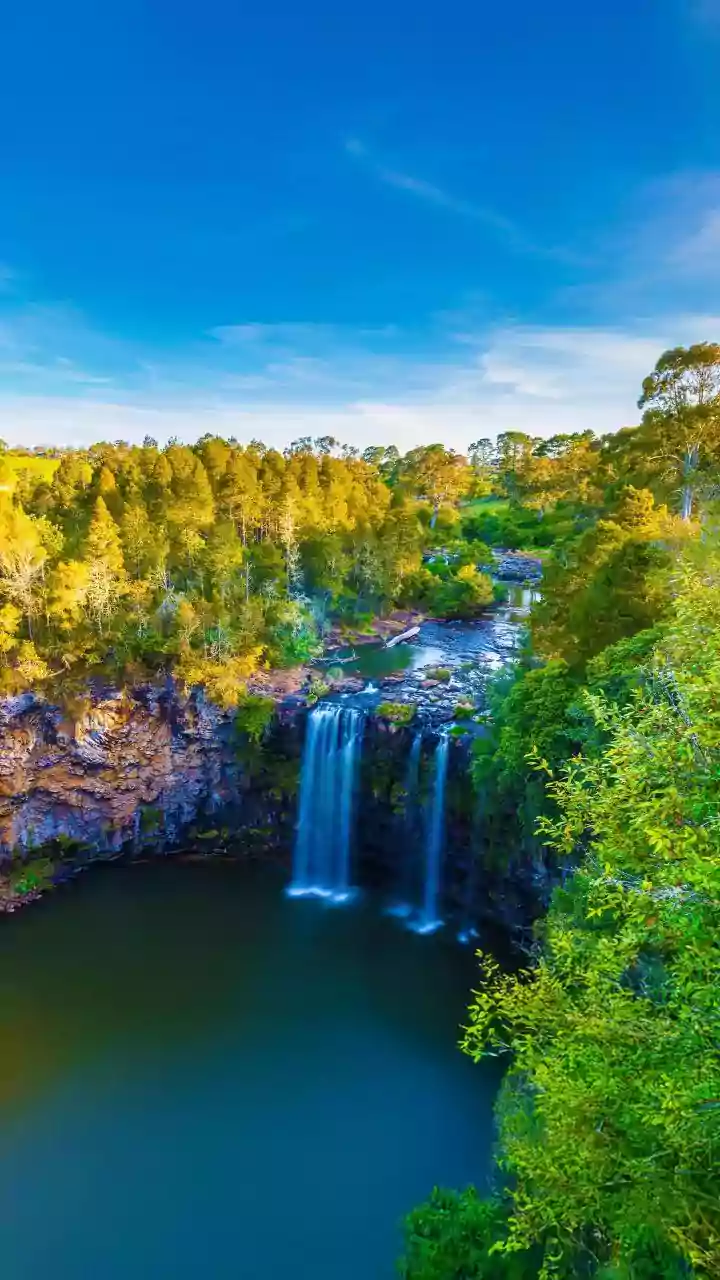
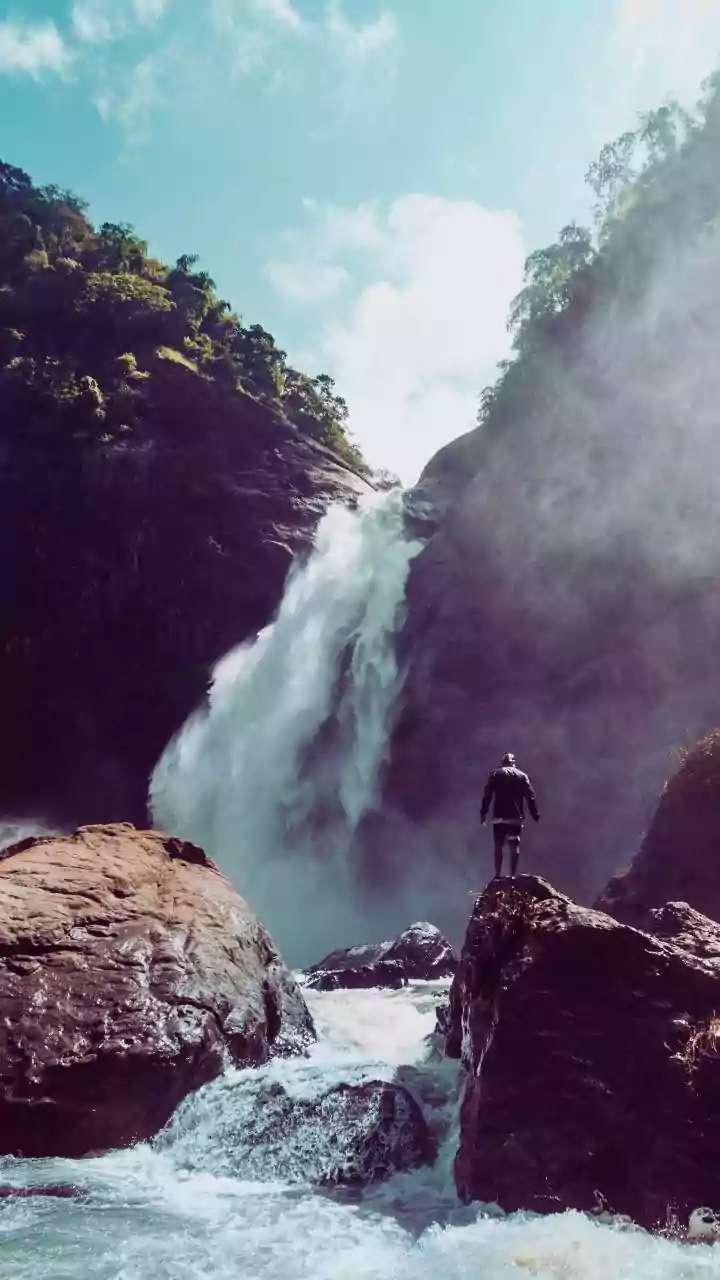
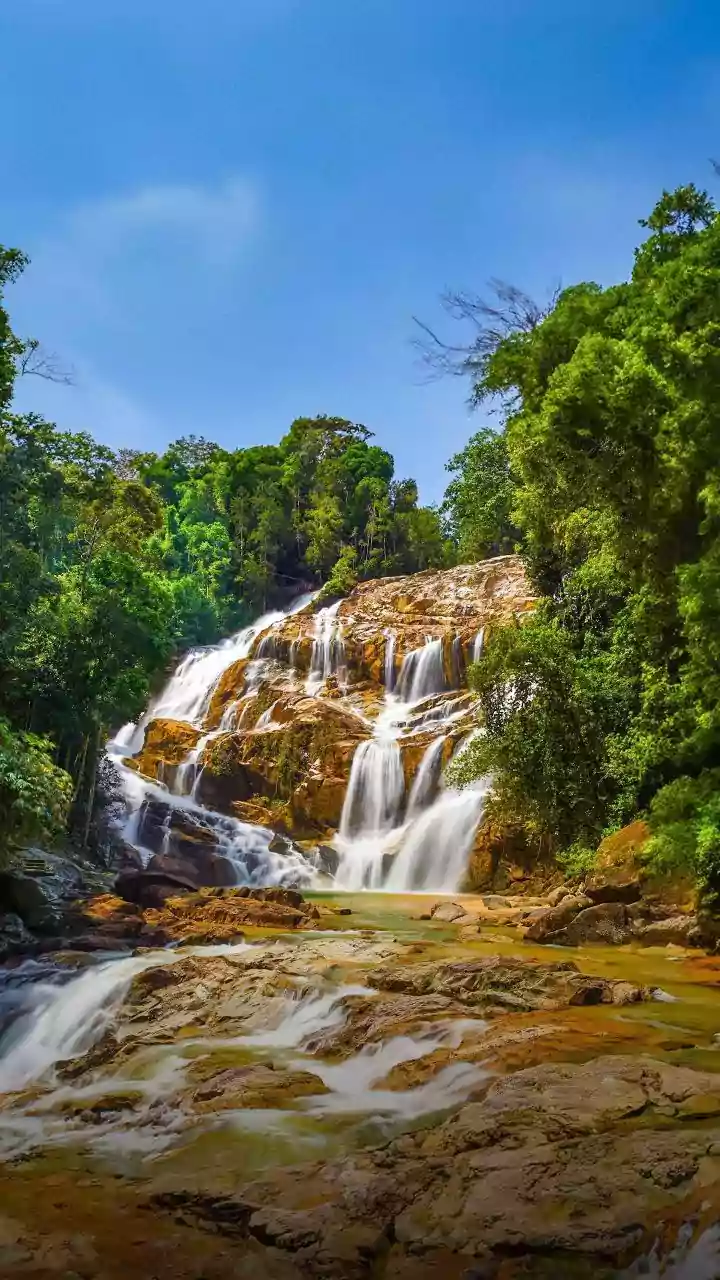
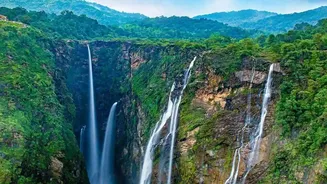
Sohra is famed for its dramatic waterfalls that plunge into deep gorges. Nohkalikai Falls, India's tallest plunge waterfall at 340 meters, is a must-see, offering a breathtaking view from its dedicated viewpoint. Another iconic sight is the Nohsngithiang Falls, also known as the Seven Sisters Falls, where seven streams cascade down limestone cliffs side-by-side, creating a majestic curtain of water, especially during the monsoon. Other notable waterfalls include the Dainthlen Falls, steeped in local legend, and the three-tiered Wei Sawdong Falls, which requires a short but steep hike to view.
Practical Tips for a Smooth Journey
A trip to Sohra requires some preparation. Good, sturdy walking shoes with excellent grip are non-negotiable, especially for the trek to Nongriat. Pack light, quick-drying clothes and always carry a raincoat or umbrella, as rain is possible year-round. Given the physical demands of the treks, a reasonable level of fitness is beneficial. Carry enough cash, as ATMs can be scarce and unreliable outside of the main town. Hiring a local guide for the Nongriat trek is not only helpful for navigation but also supports the local community and provides valuable insights into the Khasi culture. Finally, respect the pristine environment by not littering and following local customs.