







Secure Your Home and Essentials
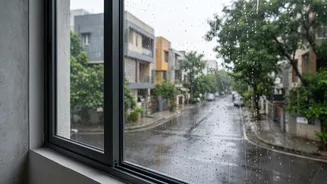
Before the downpours begin, inspect your home for vulnerabilities. Check for and seal any cracks in walls, roofs, and around window frames to prevent leaks and dampness. Water seepage can lead to mould growth and structural damage. Pay close attention
to your home's electrical systems. Ensure all wiring is properly insulated and fix any open or damaged wires to prevent short circuits, a common hazard during the rains. It's also wise to have your drains and gutters cleaned to prevent waterlogging around your property. Wooden furniture is susceptible to swelling in high humidity; applying a fresh coat of varnish or wax can offer protection. Finally, prepare for inevitable power cuts by gathering emergency lights, torches with extra batteries, and fully charged power banks.
Prioritise Family Health and Hygiene
The monsoon season sees a spike in various illnesses, from the common cold to more serious vector-borne diseases like dengue and malaria. The most critical step is to prevent mosquitoes from breeding by eliminating any stagnant water in and around your home—check flowerpots, old tyres, and coolers. Inside the home, high humidity can promote fungal growth, so ensure good ventilation and wear breathable fabrics. Food and water contamination are also major risks. Always drink boiled or filtered water and avoid street food, especially raw items like salads. Stock a monsoon-specific first-aid kit with essentials like antiseptic liquid, bandages, a thermometer, pain relievers, and Oral Rehydration Solution (ORS) packets for dehydration. Keep any necessary prescription medicines well-stocked for at least a week.
Stock Your Pantry and Emergency Kit
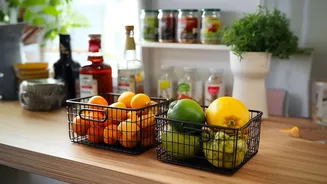
Heavy rains can make trips to the market difficult. A well-stocked pantry ensures you have everything you need without venturing out in a downpour. Focus on non-perishable food items like biscuits, energy bars, dry fruits, and ready-to-eat meals that don't require extensive cooking. High humidity can spoil dry goods like flour, rice, and spices, so store them in airtight containers to prevent moisture and pests. Beyond food, your emergency kit should contain hygiene supplies such as soap, hand sanitiser, and disinfectants, as cleanliness is key to preventing infections. Keep important documents like property papers and identification cards in a waterproof bag. It's also a good practice to have digital copies saved to cloud storage.
Rethink Your Daily Commute
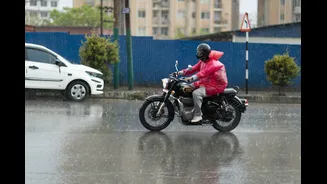
Driving during the monsoon requires extra caution. Wet roads significantly reduce tyre grip and increase braking distances. Before the season starts, ensure your car's tyres, brakes, and windscreen wipers are in top condition. When driving in the rain, reduce your speed, switch on your low-beam headlights for better visibility (even during the day), and maintain a much larger following distance from the vehicle ahead. Avoid driving through large puddles or flooded streets, as you never know their depth or what hazards may be hidden underneath. Aquaplaning, where tyres lose contact with the road, is a real danger. If it happens, ease off the accelerator and steer straight until you regain control. For those using two-wheelers or walking, be extra considerate as they are more exposed and prone to slips.
Plan for Children and Elderly Members
Children, senior citizens, and those with chronic health conditions are at a higher risk of infections and other monsoon-related issues. Ensure they have a balanced diet to boost their immunity. Keep children from playing in puddles or stagnant water, which can be contaminated. For entertainment during long rainy spells, have indoor games, books, and activities ready. For elderly family members, ensure their living space is free of slip hazards and that they have easy access to their medications and emergency contact numbers. Their mobility might be limited, so having everything they need within reach is crucial for their comfort and safety.