





In the high-stakes 2022 Brazilian presidential runoff, the real battle wasn't just on the streets but in the private, encrypted chats of WhatsApp. A digital 'army' of supporters for Luiz Inácio Lula da Silva flipped the script on their rivals.
The Digital Battlefield
The 2022
presidential election in Brazil was one of the most polarized in the nation's history. The runoff pitted the incumbent, far-right Jair Bolsonaro, against the leftist former president, Luiz Inácio Lula da Silva. For years, the Brazilian right, particularly under Bolsonaro, had masterfully dominated the digital landscape. His 2018 victory was largely credited to extensive networks on WhatsApp and Telegram that spread political messages, and often disinformation, with incredible efficiency. WhatsApp is ubiquitous in Brazil, installed on over 99% of smartphones, making it the most critical digital battleground. After Lula surprisingly lost the first round of voting, his campaign, which had been criticized for underestimating the importance of social media, faced an urgent need to overhaul its digital strategy to compete.
Enter 'Lula's Army'
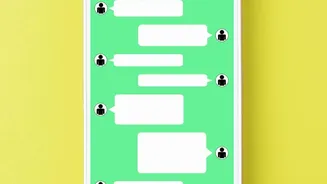
The game-changing force was a WhatsApp channel called 'Exército do Lula', or 'Lula's Army'. It was not an official part of Lula's campaign but was created and led by Congressman André Janones, a savvy and aggressive social media figure. Janones, who had dropped his own presidential bid to endorse Lula, transformed the channel into a virtual command center after the first-round defeat. What began with around 60,000 members exploded to nearly 11 million by the time of the runoff election. This massive, coordinated group of volunteers became a powerful engine for Lula's comeback, operating outside the formal campaign structure but with a singular mission: to elect the president.
A New Kind of Campaigning
Janones acted as the 'general' of this digital army, assigning daily 'missions' to his followers. These tasks were specific and designed to manipulate social media algorithms. They included pushing certain hashtags on X (formerly Twitter), coordinating Google searches to make topics trend, and sharing specific videos and memes across personal networks. The tone was urgent and militaristic, with Janones using all-caps, expletive-filled messages to command his 'troops'. This approach, described by experts as 'electoral gamification', gave supporters a sense of collective purpose and tangible actions they could take to help the campaign. They were instructed not only what to share but how to share it, effectively turning millions of individuals into a coordinated digital force.
Beating the Right at Its Own Game
The strategy of Lula's Army was a direct response to the tactics the right had used for years. While Bolsonaro's network often relied on a few major influencers broadcasting content, Lula's Army had a centralized command that empowered millions of its members to create and disseminate their own content alongside official lines. The group focused on fighting disinformation, reclaiming national symbols like the Brazilian flag, and ensuring pro-Lula content reached a wide audience. A fact-checking agency that reviewed hundreds of messages from the channel found no disinformation, in stark contrast to the rival channel set up by Bolsonaro's supporters. Even Lula himself, who reportedly got his first smartphone during the campaign, eventually joined the group to follow along and send content.
Did It Make the Difference?
While it's impossible to say definitively that the WhatsApp channel alone won the election, analysts widely credit it as a crucial factor in Lula's historic comeback. He became the first candidate in Brazil's modern democratic era to win a presidency after losing the first round. The mobilization successfully converted online enthusiasm into real-world action and helped close the digital gap with the highly effective Bolsonaro machine. The strategy demonstrated that the Brazilian left had learned how to fight—and win—on the digital turf previously dominated by their opponents. In his victory speech, Lula himself gave a special thanks to Janones, calling him 'our general' for his role in raising the morale of the 'troops' every day.