







Why Your Gut Needs Extra Care
The monsoon season, while romantic, creates a perfect environment for bacteria and viruses to thrive. The high humidity and moisture in the air can slow down our digestive system, a concept well-understood in Ayurveda. A sluggish gut makes us more susceptible
to infections, bloating, and acidity. This is why our focus must shift from heavy, rich meals to lighter, easily digestible foods. Your kitchen becomes the first line of defence against common monsoon ailments like the flu, stomach infections, and water-borne diseases. The goal is simple: to eat in a way that supports your digestive fire (agni) and bolsters your immunity, ensuring you enjoy the rains without falling sick.
Embrace Warm, Cooked Foods
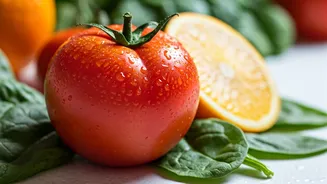
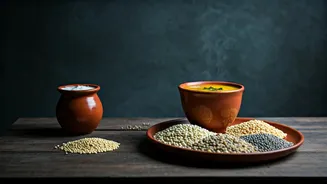
Raw foods, especially leafy green vegetables and salads, can be risky during the monsoon. The moisture makes them a breeding ground for germs, and it's difficult to wash them thoroughly enough to eliminate all contaminants. Instead, opt for well-cooked meals. Think warm soups (like tomato or mixed vegetable), steamed vegetables (like lauki, parwal, tinda), and comforting dals. Cooking food at high temperatures kills harmful microorganisms. Lightly prepared dishes like khichdi or vegetable stew are not only easy on the stomach but also provide essential nutrients without burdening your digestive system. This simple switch from raw to cooked can significantly reduce your risk of stomach infections.
Power Up with Immunity-Boosting Spices
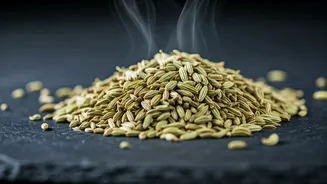
The Indian spice box is a treasure trove of medicinal wonders, especially for the monsoon. Turmeric (haldi) is a potent anti-inflammatory and antiseptic agent; a pinch in your milk or dal can work wonders. Ginger (adrak) is fantastic for digestion and fighting coughs and colds—add it to your tea or curries. Garlic (lehsun) has powerful antibacterial and antifungal properties. Other spices like black pepper (kali mirch), asafoetida (hing), and cumin (jeera) not only add flavour but also aid digestion and help prevent bloating and gas. Making these spices a regular part of your daily cooking is an easy and effective way to build your body's natural defences.
Hydrate Smartly and Safely
While we may not feel as thirsty due to the humid weather, staying hydrated is crucial. However, the source of your water matters more than ever. Always drink boiled or purified water to avoid water-borne diseases like typhoid and cholera. Avoid juices from roadside vendors and drinks with ice from unverified sources. Instead, sip on warm herbal teas made with tulsi, ginger, or mint. A simple concoction of warm water with a dash of honey and lemon can also boost your vitamin C intake and keep your throat clear. These warm beverages help maintain body temperature and support the digestive process.
Be Selective with Fruits and Vegetables
While fruits are essential, be mindful of what you choose. Opt for seasonal fruits like pomegranates, apples, pears, and plums. It's best to avoid pre-cut fruits sold on the street as they are highly susceptible to contamination. Always wash fruits thoroughly and peel them before eating. When it comes to vegetables, favour gourds like bitter gourd (karela), bottle gourd (lauki), and pointed gourd (parwal). It's wise to limit the intake of cruciferous vegetables like cabbage and cauliflower, as they can cause gas and bloating. If you do eat leafy greens like spinach, ensure they are blanched in hot water before being cooked.
Limit Fried Foods and Dairy
Those tempting pakoras and samosas are synonymous with the monsoon, but it's best to enjoy them in moderation. Oily and fried foods are heavy on the digestive system and can lead to indigestion and an upset stomach. Street food, in particular, should be avoided due to questionable hygiene and the high risk of contamination. Similarly, be cautious with dairy products like yoghurt (dahi), especially if it's not fresh. According to Ayurveda, dairy can increase mucus production and may aggravate colds and coughs during this damp season. If you must have yoghurt, opt for a fresh, diluted version like chaas (buttermilk) during the day.