
The Old Guard of Flawless
Cast your mind back just a few years. The dominant look, popularised by millennial YouTubers and the hyper-curated feeds of Instagram, was all about perfection. It was the era of the 'Instagram Brow', sharp contouring, and, most importantly, a completely
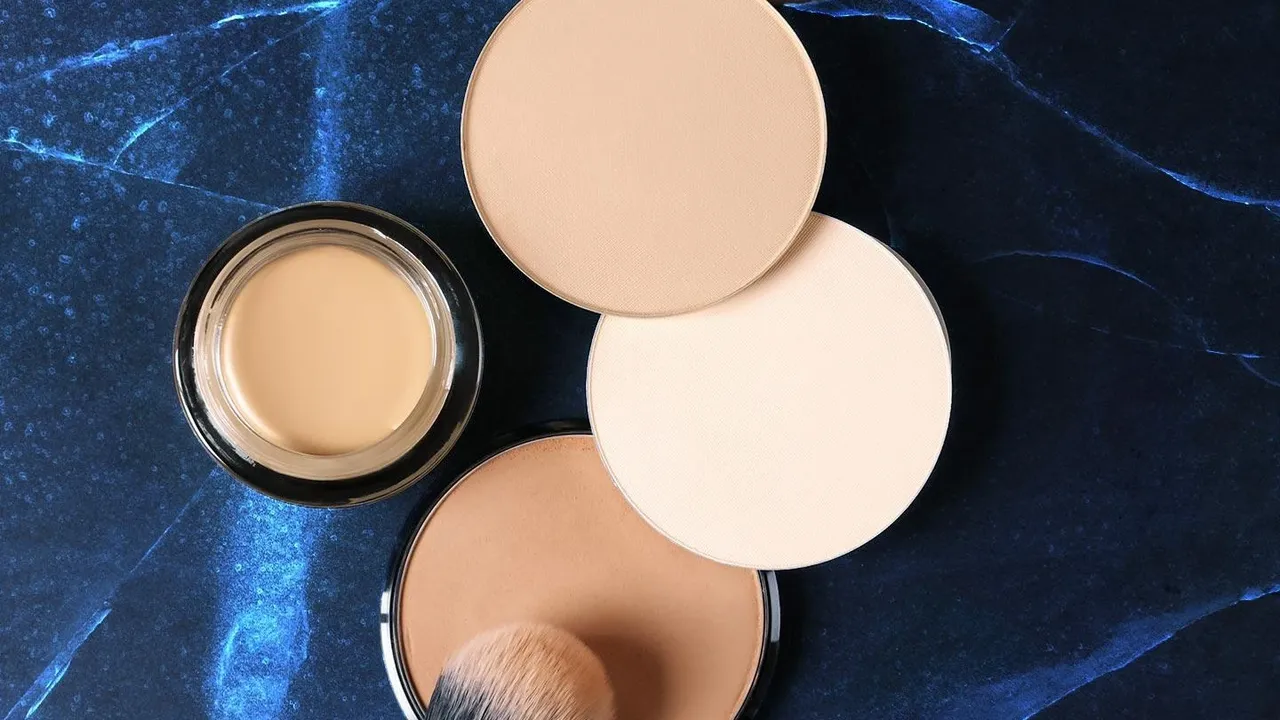
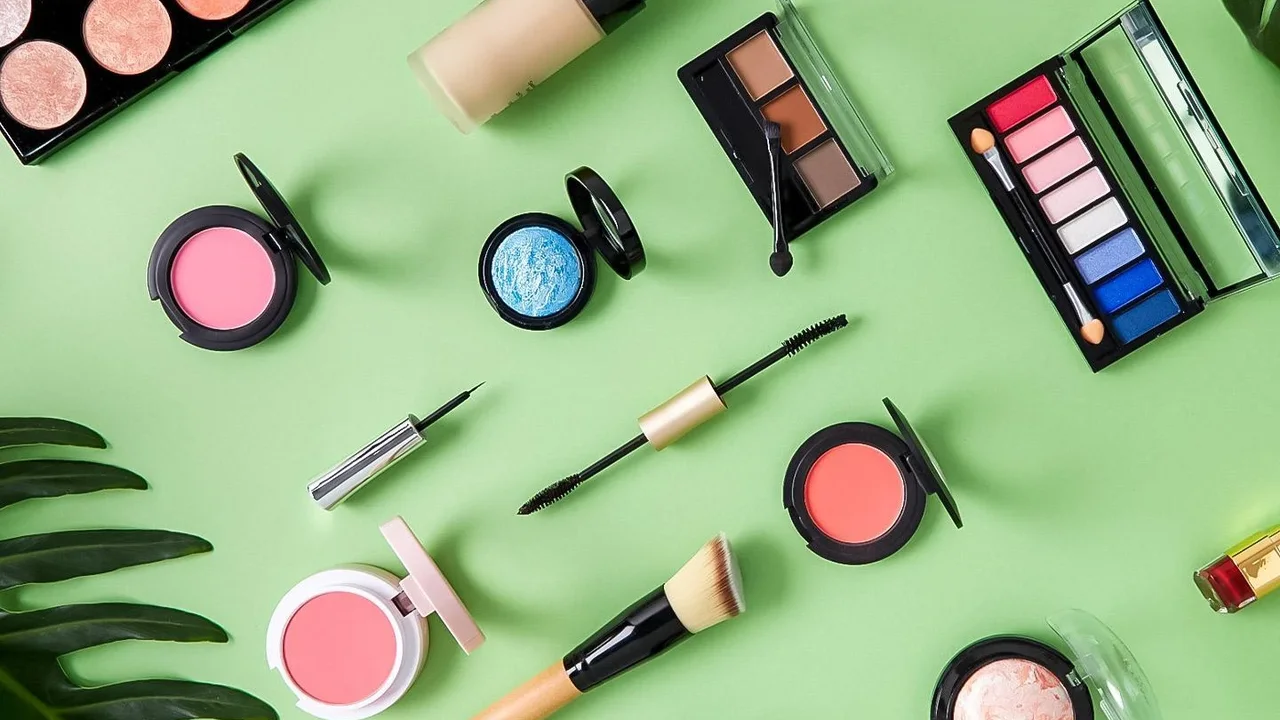
matte, full-coverage foundation. The goal was to create a uniform canvas, erasing pores, texture, and any hint of imperfection. Viral challenges often involved applying over 100 layers of foundation, a testament to the community's obsession with a bulletproof finish. This style of makeup was an art form in its own right, requiring skill, time, and a collection of high-coverage concealers, thick pomades, and opaque liquid lipsticks to complete the polished look.
A New Philosophy: Skinimalism
Gen Z, a generation raised on the unfiltered immediacy of TikTok, has a different philosophy. Their approach is often summarised by the term 'skinimalism', a movement prioritising skin health over concealment. This isn't just about using fewer products; it's a cultural shift toward authenticity. This generation prefers to let their natural skin texture show, freckles and all. Rather than masking what's underneath, the focus is on enhancing it. They demand transparency from brands about ingredients and are fluent in terms like niacinamide and hyaluronic acid. For them, a good base starts with good skincare, making the makeup that follows secondary and supplementary, not corrective.
From Glass Skin to Cloud Skin
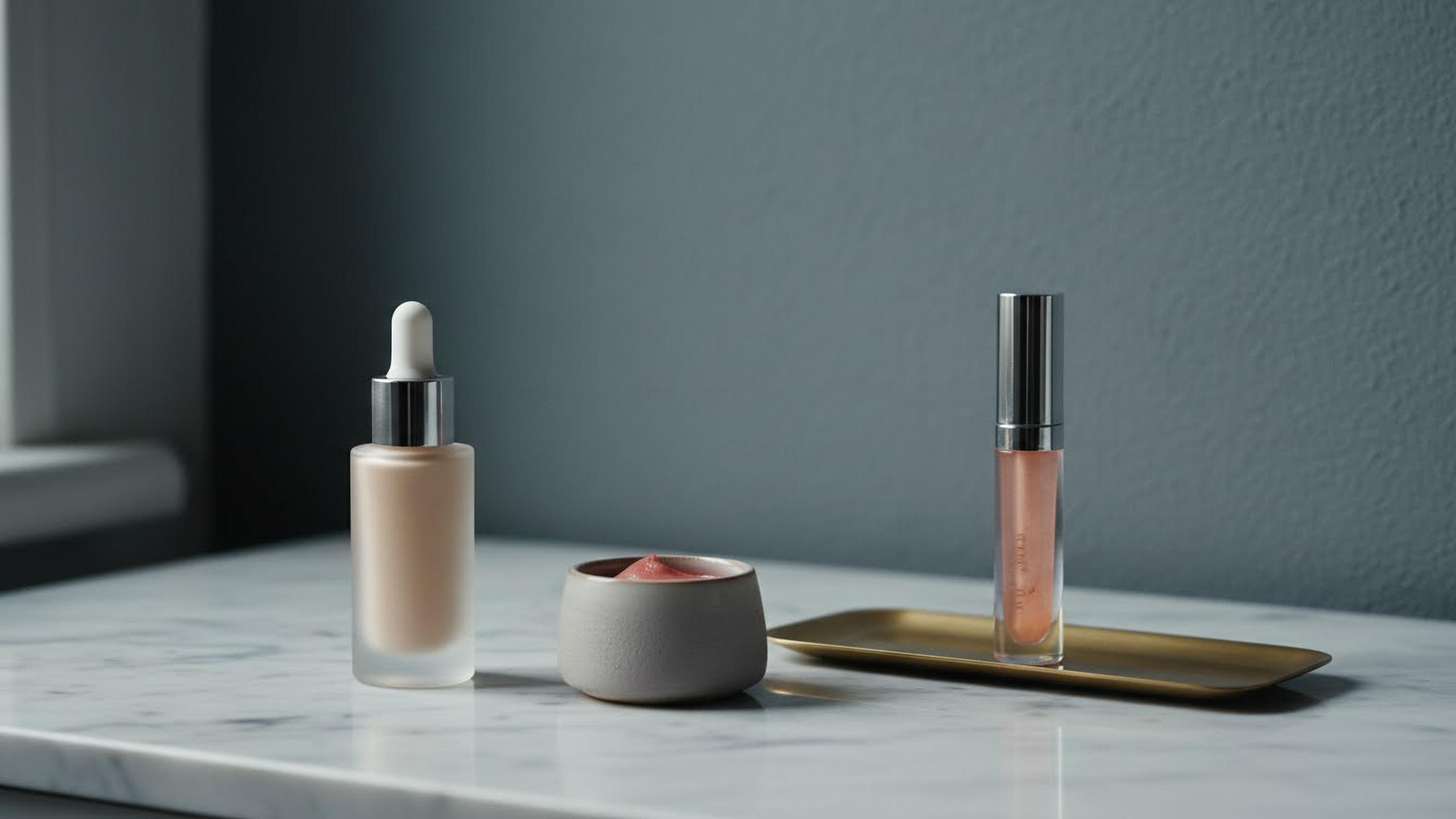
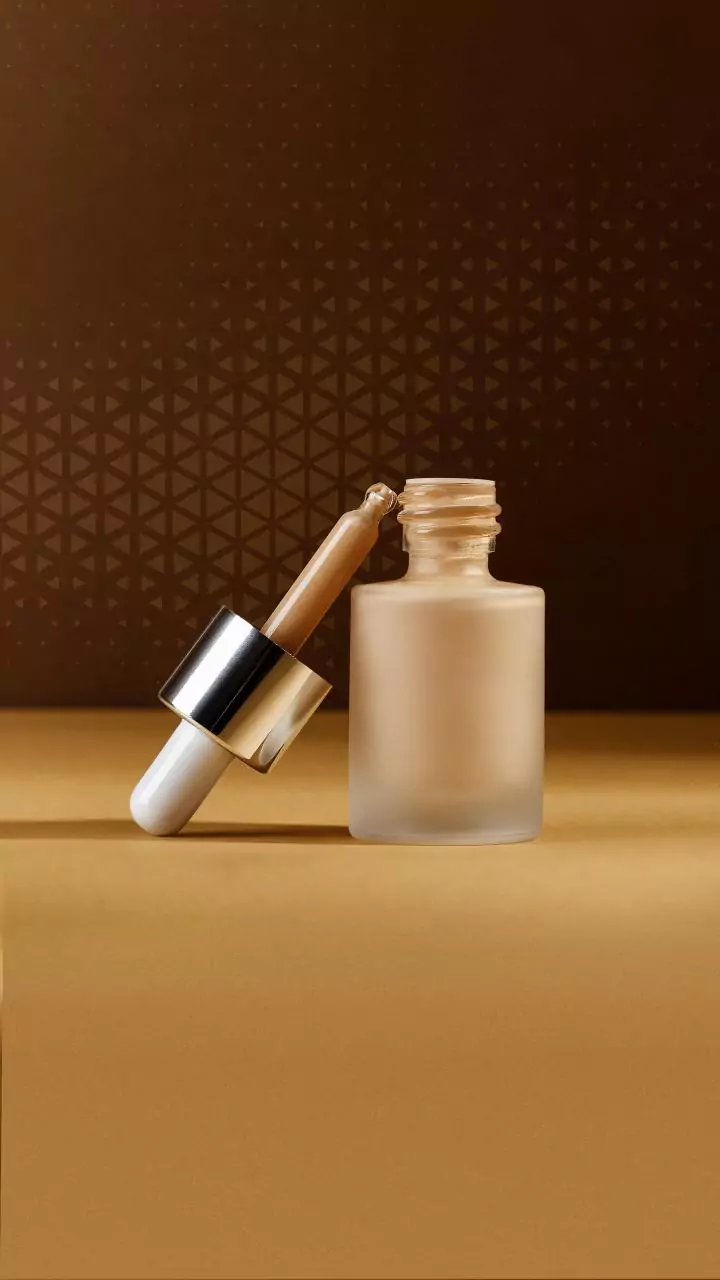
This new philosophy has given rise to a vocabulary of new base trends. We’ve moved from the ultra-dewy 'glass skin' look to the more recent 'cloud skin' aesthetic. Cloud skin is a soft, diffused, and dreamy finish that isn't quite matte nor overtly shiny. It’s achieved by mixing skincare with makeup and strategically layering textures to create a luminous, ethereal glow. The tools of the trade have changed, too. Heavy foundations are being replaced by skin tints, serum-infused formulas, and buildable liquid filters. Application is also key; instead of painting a full mask, many now opt for spot-concealing, using a minimal amount of product only where needed, allowing the rest of the skin to breathe and be seen.
TikTok as the New Beauty Counter
This rapid evolution in trends is fuelled by TikTok. Unlike the static, polished photos of Instagram, TikTok’s algorithm promotes raw, relatable, and often unedited video content. Trends no longer move in predictable seasonal cycles dictated by magazines and runway shows. A single 30-second video can make a product sell out overnight, as seen with Clinique's Black Honey lipstick or e.l.f.'s Halo Glow Liquid Filter. Creators on the platform popularised a '2016 vs. Today' makeup challenge, visually cementing the dramatic shift from heavy-handed techniques to the lighter, fresher looks of today. This platform rewards creativity and individuality, encouraging users to adapt trends to their own faces and moods rather than copy a single, prescriptive look.
How the Industry Is Adapting
The beauty industry has taken notice and is quickly adapting. Brands are rushing to launch multi-functional products that combine skincare benefits with light coverage, such as hydrating skin tints with SPF. The language has shifted from 'flawless' and 'full-coverage' to 'breathable', 'luminous', and 'skin-like'. Formulations themselves are changing, with a greater emphasis on cream and liquid textures that melt into the skin for a more natural effect. Even bold makeup trends in 2026 are designed to be paired with a breathable, skin-focused base, proving that the foundation of modern makeup is now, quite literally, your own skin. This pivot shows that the demand for authenticity is not just a passing trend, but a structural change in consumer desire.