






Healthspan vs. Lifespan: What's the Difference?
Before we dive into the study, it’s crucial to understand a key term: healthspan. While lifespan is simply the total number of years you live, healthspan refers to the number of years you live in good health, free from chronic disease and age-related
disability. Think of it as the period of your life when you are active, mobile, and independent. The goal of much modern wellness research isn’t just to add years to our life, but to add life to our years. A long healthspan means enjoying a high quality of life well into old age, not just surviving it. This simple but powerful distinction is at the heart of why this new research on protein is generating buzz.
What the New Study Found
A recent study published in the journal *GeroScience* explored the link between protein intake and healthspan. It's important to note from the outset that this research was conducted on mice, so its findings are suggestive for humans, not definitive. Researchers from Japan’s Waseda University fed middle-aged mice different diets. One group received a standard amount of protein, while another received a lower-protein diet. The results were telling: the mice on the lower-protein diet showed faster signs of frailty. Conversely, previous findings from the same team suggest that a diet with a moderate-to-high protein content helps preserve physical function and reduces age-related health issues later in life. The takeaway from the animal model is that adequate protein during mid-life may be a critical investment for better health in the senior years.
Why Protein is an Anti-Ageing Powerhouse
This isn't just about one study. There is a growing body of evidence supporting the importance of protein as we age. Protein is the building block for nearly everything in our body, most notably our muscles. After the age of 30, adults can start to lose 3-8% of their muscle mass per decade, a condition called sarcopenia. This loss of muscle is a primary driver of frailty, falls, and loss of independence in older adults. Consuming enough protein provides the necessary amino acids to repair and build muscle tissue, especially when combined with resistance exercise. Beyond muscle, protein is vital for a strong immune system, healthy skin and bones, and the production of hormones and enzymes that keep our bodies running smoothly.
So, How Much Protein is 'More'?
The big question is what 'more protein' actually means. The standard recommendation in India for a healthy adult is about 0.8 grams of protein per kilogram of body weight per day. However, many experts now argue that for older adults (over 65), this number should be higher—closer to 1.0 to 1.2 grams per kilogram—to offset muscle loss. For a 60 kg person, this means shifting from 48 grams to 60-72 grams of protein daily. Instead of fixating on exact numbers, a good strategy is to ensure you include a solid source of protein with every meal. This could be eggs or dahi for breakfast, a generous serving of dal or paneer for lunch, and chicken, fish, or a chickpea curry for dinner. Spreading your intake throughout the day is more effective for muscle synthesis than eating the bulk of it in one large meal.
Easy Ways to Boost Your Protein
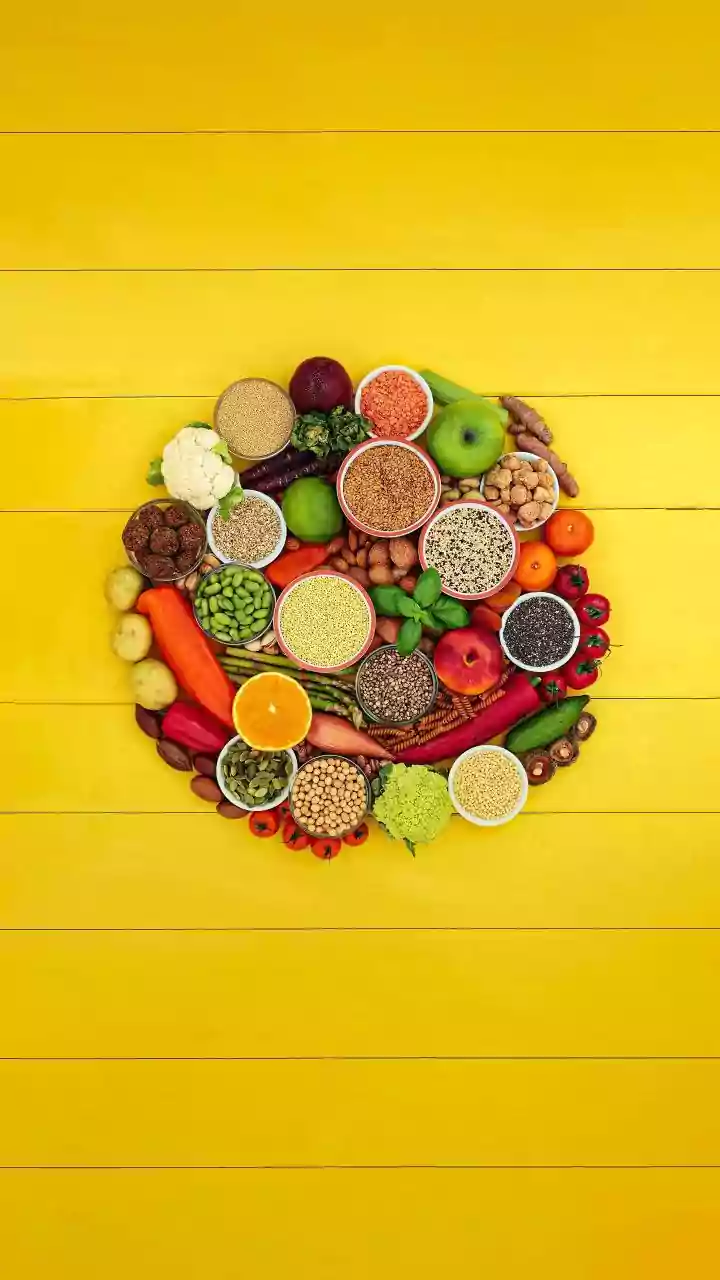
Increasing protein intake doesn’t have to be complicated. Simple swaps and additions can make a big difference. Consider adding a handful of nuts and seeds to your breakfast oatmeal or poha. Snacking on roasted chana or a bowl of Greek yoghurt (which has more protein than regular dahi) can help. When making rotis, you can use flour mixed with sattu (roasted gram flour) to boost the protein content. For non-vegetarians, including fish, chicken, and eggs a few times a week is an efficient way to get high-quality protein. Plant-based sources are excellent too—lentils, beans, tofu, and edamame are all fantastic options. The key is to be mindful and make protein a priority on your plate at every meal.