



The Preemptive Peace Treaty
The best time to establish fridge rules is before you even move in together, or as soon as a new person joins the home or office. It’s far easier to prevent problems than to resolve them once tensions are high. Have a calm, open conversation about expectations.
Discussing this upfront isn't about being controlling; it's about mutual respect and preventing future arguments. Key topics to cover include whether you'll share staples like milk and condiments, how to handle leftovers, and what the cleaning expectations are. A good rule of thumb is to share items that are used slowly, like ketchup, but buy individual fast-moving items like milk or juice.
A Blueprint for Shelf Serenity
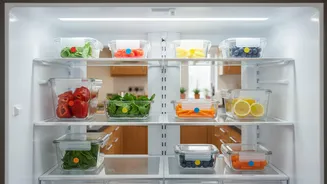
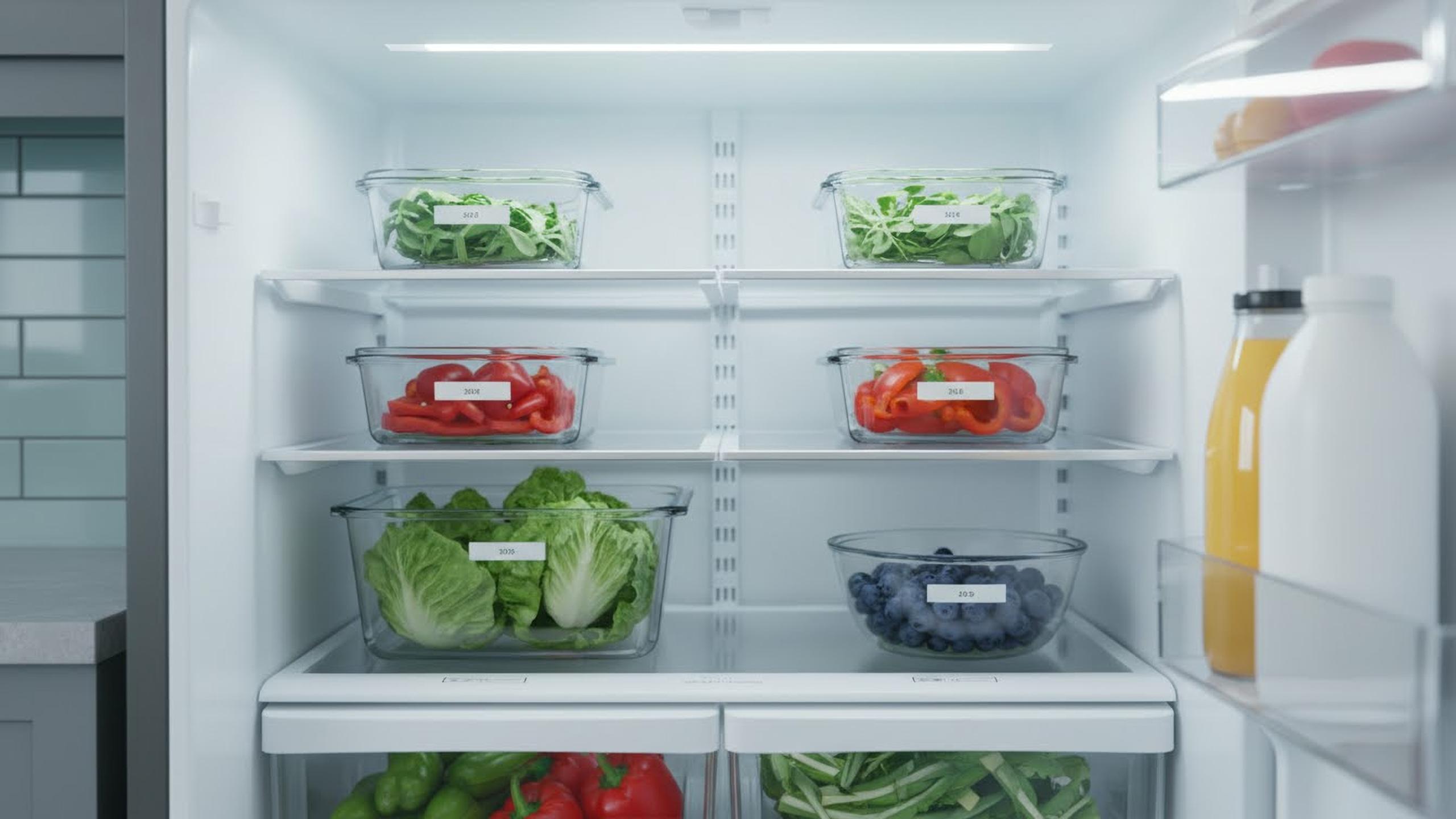
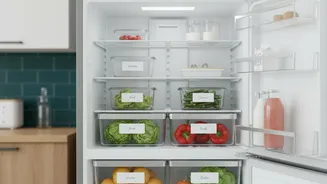
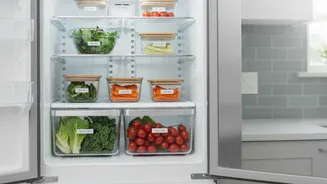
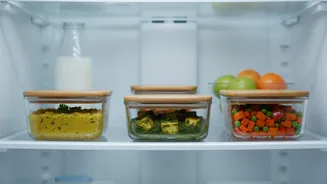
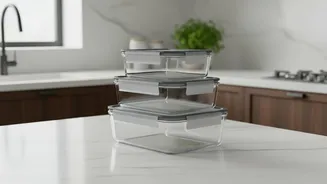
A well-organized fridge is a peaceful fridge. The easiest system is to assign each person their own shelf or a designated zone. This creates clear boundaries and makes it easy to find your own items without rummaging through someone else's groceries. Use masking tape or a label maker to mark shelves if needed. For shared items, the refrigerator door is often the perfect communal space. To maximize space, remove food from bulky packaging and use clear, stackable containers. This not only saves room but also prevents spills and keeps food fresh. Finally, agree on a 'free-for-all' policy for items you're willing to share or want to get rid of.
The Cardinal Rule: Label Everything
If there is one golden rule of fridge sharing, it is this: label your food. This single action can prevent the vast majority of conflicts. Use a marker and tape to put your name and the date on your items, especially in a crowded office fridge. This eliminates any confusion about ownership and prevents the classic 'I thought it was communal' defense from the lunch thief. It also serves as a helpful reminder for yourself about when something was purchased, which can help reduce food waste from forgotten, expired items lurking in the back.
Navigating the Office Fridge
The office fridge presents a unique set of challenges. The sheer number of users means rules are even more critical. Since you can't have a personal chat with everyone, clear, posted guidelines are essential. Many offices institute a mandatory weekly clean-out, often on a Friday afternoon, where all unlabeled or old items are tossed. This prevents the buildup of science experiments in forgotten containers. Spills should be cleaned up immediately by the person responsible. And please, don't store your half-eaten, uncovered meal; use sealed containers to prevent odors and maintain hygiene.
When Good Fridges Go Bad
Even with the best rules, transgressions can happen. Someone eats your yogurt, a spill is left uncleaned, or a foul odor takes over. The key is to address it calmly and directly, without resorting to passive-aggressive notes. If you know who the culprit is, have a gentle, private conversation. They may not have even realized their mistake. For persistent problems, bring it up as a group issue. A simple, “Hey, can we make sure we're cleaning up spills right away?” is less accusatory than targeting an individual. For chronic food thieves, some people have resorted to using lockable containers as a last-ditch effort to protect their lunch.