





Understanding the Allure and the Risks
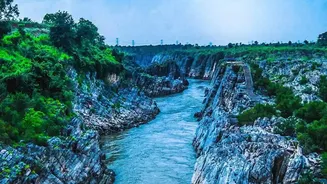
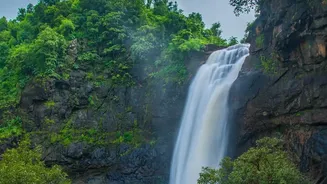
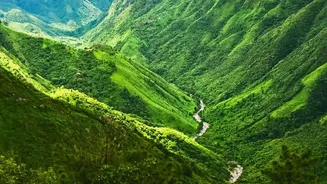
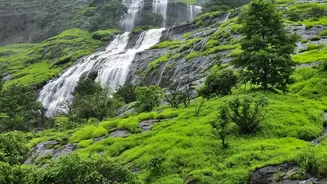
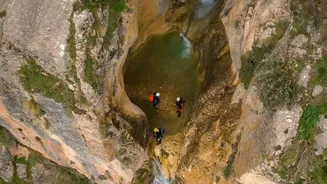
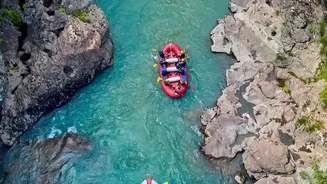
During the monsoon, from roughly June to September, Meghalaya’s rivers swell dramatically, turning tranquil streams into powerful, high-volume rapids that attract expert kayakers globally. This is not a gentle float down a lazy river. The same rains that create
this paradise also cause dangerously fast-changing conditions, including flash floods that can fill a canyon in minutes. The landscape is defined by its powerful water, and respecting this power is the first step. Official advisories frequently warn tourists to be cautious near all water bodies during this season, underscoring the serious nature of monsoon water activities.
Your Guide Is Your Lifeline: Choose Wisely
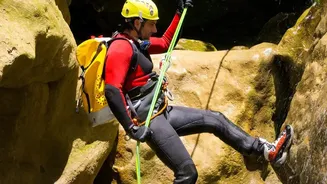
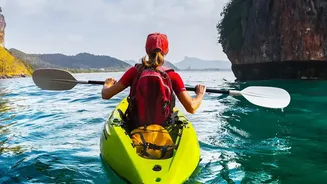
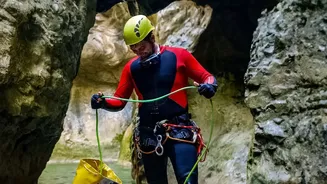
The single most important decision you will make is choosing your guide and operator. Do not prioritize cost over expertise. Look for operators with internationally recognized certifications, such as from the International Rafting Federation (IRF) or proficiency in Whitewater Rescue Techniques (WRT). Ask about their experience specifically on Meghalaya's monsoon-swollen rivers. Local Khasi and Jaintia guides often possess generations of invaluable knowledge about terrain and flash flood patterns. A reputable operator will conduct safety briefings, never allow someone to paddle alone, insist on proper gear like personal flotation devices (PFDs), and have emergency plans in place. Meghalaya's government has also been tightening regulations, holding tour operators more accountable for safety.
Mastering Monsoon-Specific Safety
Kayaking in the monsoon is a different sport. Water levels can rise exponentially without warning. Always check weather forecasts before setting out, but know that conditions can change rapidly in the hills. Always wear a well-fitted life jacket and helmet. Listen intently to your guide; their instructions are based on years of reading the river's subtle cues. Understand the concept of 'eddies' (calm spots in the river) and other safe zones. Avoid alcohol before or during your trip, as it impairs judgment and physical ability. The government regularly issues advisories urging extreme caution and cooperation with local guides, especially during emergencies.
Leave No Trace: A River's Code of Conduct
The canyons and rivers of Meghalaya are not just adventure venues; they are fragile ecosystems and often considered sacred by local communities. The principle of responsible tourism is paramount. Practice a strict 'pack-in, pack-out' policy, ensuring everything you bring with you, including food wrappers and other waste, leaves with you. Avoid using soaps or detergents in the rivers. Do not disturb wildlife or vegetation. This respect for the environment is a core tenet of sustainable tourism practices being encouraged in the state. By minimizing your environmental footprint, you help preserve the pristine beauty that attracted you in the first place.
Cultural Respect and Community Engagement
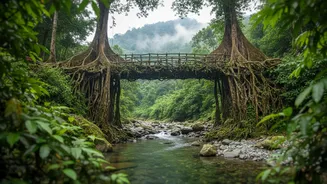
Your adventure takes place on ancestral lands of the Khasi, Jaintia, and Garo tribes. Many of the most stunning gorges and riverbanks are tied to local culture and beliefs, with some forests considered sacred groves that have been protected for centuries. Engaging responsibly means acknowledging this connection. Hire from local, community-led outfits whenever possible, as this ensures the economic benefits of tourism support the people who are the traditional guardians of the land. Be respectful in your interactions, ask for permission before taking photos of people, and show genuine interest in the local culture. This approach transforms a simple thrill-seeking trip into a more meaningful exchange, fostering a sustainable model that benefits both visitors and residents.