

The Search for Buried Treasure
Finding water on the Moon isn't just about scientific curiosity; it's about the future of human space exploration. Water ice, hidden in permanently shadowed craters at the lunar poles, is a treasure trove. Once melted and purified, it can provide drinking
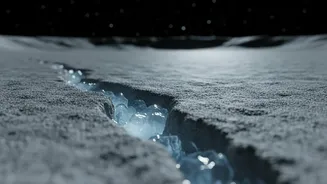
water and breathable oxygen for astronauts. More excitingly, it can be split into hydrogen and oxygen, the primary components of rocket fuel. This would turn the Moon into a refuelling station, dramatically reducing the cost and complexity of missions to Mars and beyond. The challenge is that this ice isn't sitting in neat frozen lakes on the surface. It’s believed to be mixed in with the lunar soil, or regolith, and likely buried, making it invisible to many instruments.
Why Orbiters Can't See Everything
Spacecraft orbiting the Moon have done a phenomenal job of creating broad maps of where water might be. Instruments like neutron spectrometers can detect hydrogen, a key component of water. However, these orbital scans have limitations. They typically only see the very top layer of the surface and have a coarse spatial resolution, sometimes covering tens of kilometers in a single pixel. This makes it hard to distinguish a thin frost from a thick, buried deposit. Furthermore, other materials, like certain minerals or even subsurface rocks, can sometimes mimic the signature of ice, leading to false positives. To know for sure what lies beneath, you need to get your hands dirty—or in this case, get a probe into the soil.
ISRO's Ground-Breaking Tools
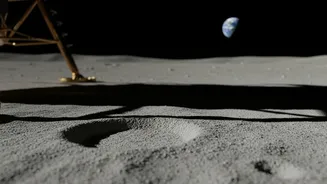
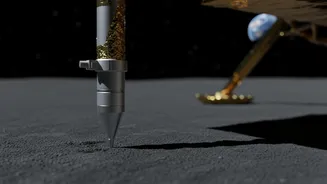
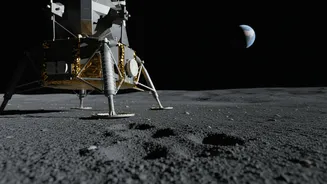
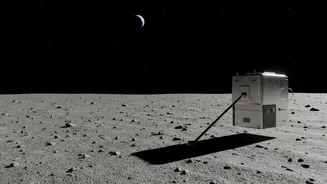
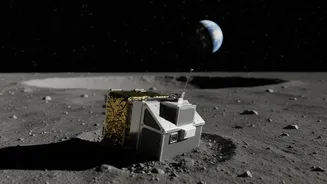
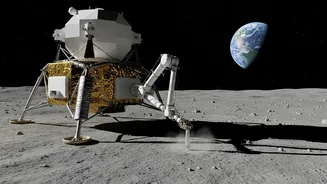
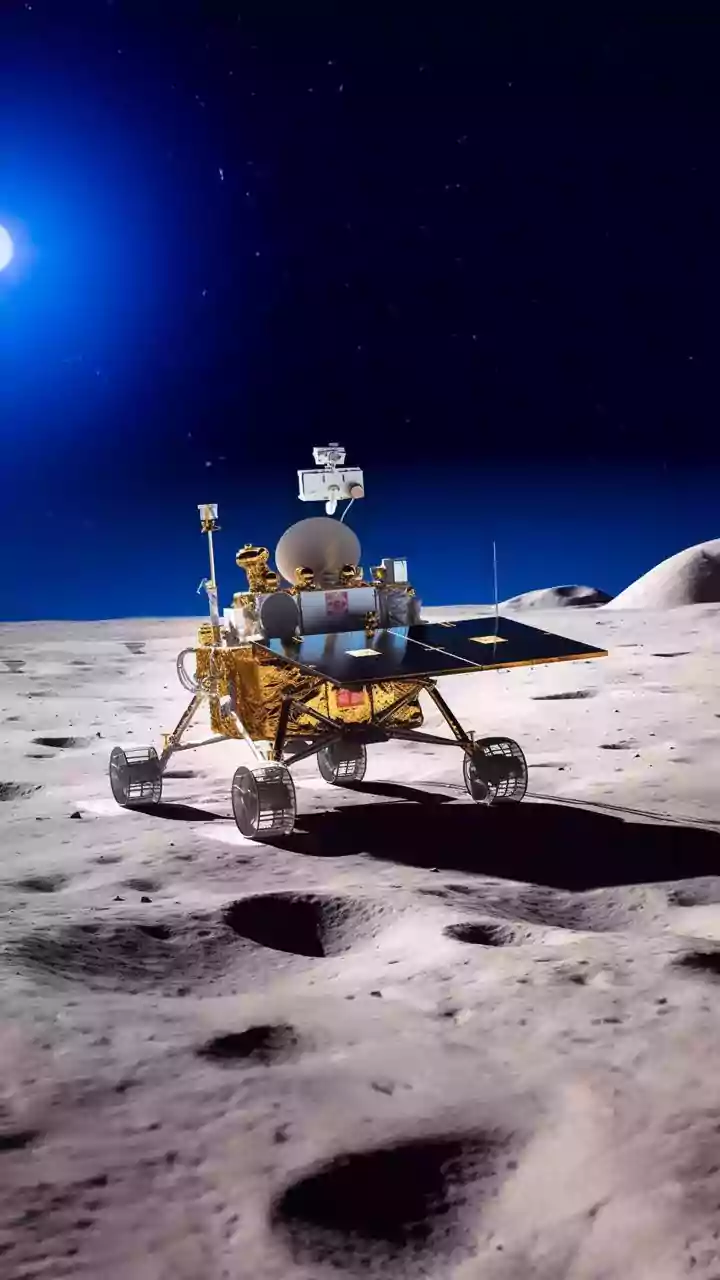
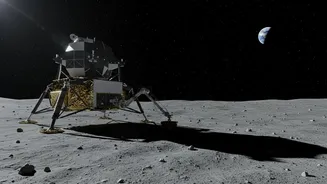
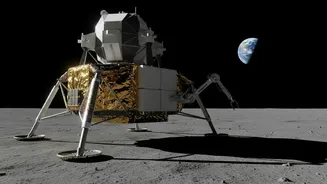
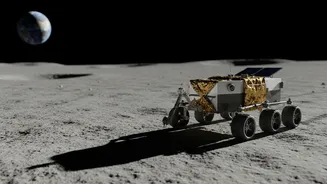
This is where ISRO's landers, like the one from the successful Chandrayaan-3 mission, become indispensable. They carry a suite of instruments designed to analyze the soil directly. One of the most critical is the Chandra’s Surface Thermophysical Experiment (ChaSTE). Think of it as a high-tech thermometer on a stick. After landing, this probe pushed itself about 10 centimeters into the lunar soil to take the first-ever in-situ temperature profile of the Moon's south polar region. This direct measurement is crucial because how heat moves through the soil offers powerful clues about its composition. The lander and its rover also carry spectrometers like LIBS and APXS, which analyze the chemical makeup of the soil, providing another layer of vital data.
Reading the Thermal Clues
The data from the ChaSTE instrument revealed a dramatic temperature difference between the lunar surface and just a few centimeters below. This is because lunar soil is an excellent insulator. But the key insight for ice hunters lies in thermal conductivity—how easily heat passes through a material. Dry lunar soil has a very low thermal conductivity. However, scientific models and lab experiments show that when you mix water ice into that soil, its thermal properties change significantly. Icy regolith conducts heat differently than dry regolith. By measuring the precise thermal behavior of the soil, as ChaSTE did, scientists can build models to predict whether ice is present and in what concentration, even when it's not visible. This ground-truth data helps calibrate the cruder measurements from orbiters, making the overall maps far more accurate.
The Final Piece of the Puzzle
While thermal readings provide strong evidence, other instruments deliver the definitive proof. The Laser-Induced Breakdown Spectroscope (LIBS) on the Chandrayaan-3 rover, for instance, fires a high-powered laser at the soil. This creates a tiny plasma spark, and by analyzing the light from that spark, scientists can determine the elemental composition of the target. This confirms the presence of elements that make up water. Together, the physical data from ChaSTE and the chemical data from instruments like LIBS and APXS create a comprehensive and reliable picture. This direct, on-the-ground analysis eliminates the ambiguity of orbital data, providing the concrete evidence scientists need to confidently map lunar ice reserves.