






Preparation Is Your First Defence
The safest journey during a downpour begins before you even leave the house. Rushing out unprepared is a recipe for getting stranded. First, check the latest weather forecasts from a reliable source like the India Meteorological Department (IMD). Pay
attention to specific warnings for your area, such as heavy rainfall alerts or flash flood guidance. If an orange or red alert is active, the best decision is often to postpone your travel. Before you consider driving, also perform a quick vehicle check. Ensure your tyres have adequate tread and are properly inflated, as this is crucial for maintaining grip on wet roads. Confirm that your headlights, taillights, and especially your windscreen wipers are in perfect working order. Visibility is key to safety.
Leverage Your Digital Toolkit
Technology has equipped us with powerful tools to navigate monsoon hazards. Real-time traffic apps like Google Maps and Waze are invaluable for spotting congestion caused by waterlogging. Look for features that show traffic flow and reported incidents. For more specific flood information, government-backed apps are highly effective. 'FloodWatch India', developed by the Central Water Commission, provides forecasts up to seven days in advance and real-time river data from hundreds of monitoring stations across the country. Another essential app is 'Sachet' by the National Disaster Management Authority (NDMA), which sends geo-tagged alerts for floods and other hazards directly to your phone in multiple Indian languages. In cities like Mumbai, the local BMC's disaster management app provides crucial updates on diversions and transport disruptions.
Reading the Road in Real-Time
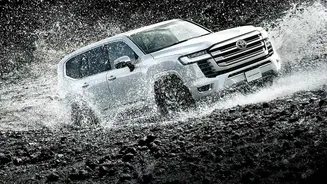
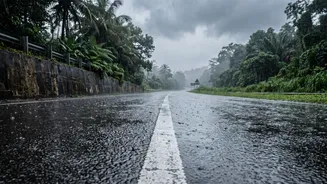
While apps provide a great overview, on-the-ground observation is non-negotiable. Never drive into standing water without assessing its depth. A good rule of thumb is to avoid driving through water that is more than halfway up your car's tyres. What looks like a shallow puddle could conceal a deep pothole or open manhole. Observe other vehicles; if similar-sized cars are stalling or struggling, that’s a clear sign to turn back. When driving through water, do so slowly and steadily in a low gear to keep engine revs high and prevent water from entering the exhaust pipe. Try to stay in the centre of the road, where it's often highest and the water is shallowest. Most importantly, avoid sudden braking or sharp turns, as this can lead to hydroplaning, where your tyres lose contact with the road.
When You Can't Go Forward
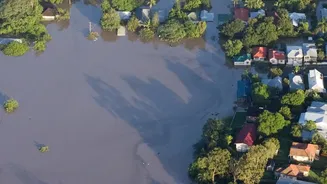
The smartest choice is sometimes to abandon the route. If you encounter a heavily flooded road, do not take the risk. Driving through deep water can cause catastrophic damage to your car's engine and electrical systems. If your vehicle stalls in rising water, your priority is personal safety, not the car. Do not try to restart the engine, as this can cause irreversible damage. If the water is not moving swiftly, turn on your hazard lights, unlock the doors, and if safe, exit the vehicle and move to higher ground. Many flood-related fatalities occur when people try to move a stalled vehicle or stay inside as water levels rise. If you are trapped, try to open a window to escape. Breaking the side window is an option, but avoid the windscreen, which is much tougher.
Trust Local Knowledge and Official Sources
While navigation apps are useful, they may not always capture the most recent local road closures or diversions announced by traffic police. Tune into local news channels and radio stations, and follow the social media accounts of your local traffic police and municipal corporation. These sources often provide the most immediate, ground-level information. Community groups on social media platforms can also be a source of real-time updates from fellow commuters, but always cross-verify information with official channels. Combining high-tech alerts with trusted local advisories gives you the most complete picture to make an informed decision.