


Beyond Butter Chicken and Biryani
For years, the online representation of Indian food was dominated by a handful of heavy hitters. Butter chicken, paneer tikka masala, biryani, and samosas were the undisputed stars, representing a massive and diverse cuisine to the rest of the world and even
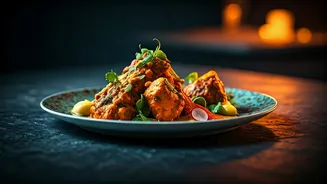
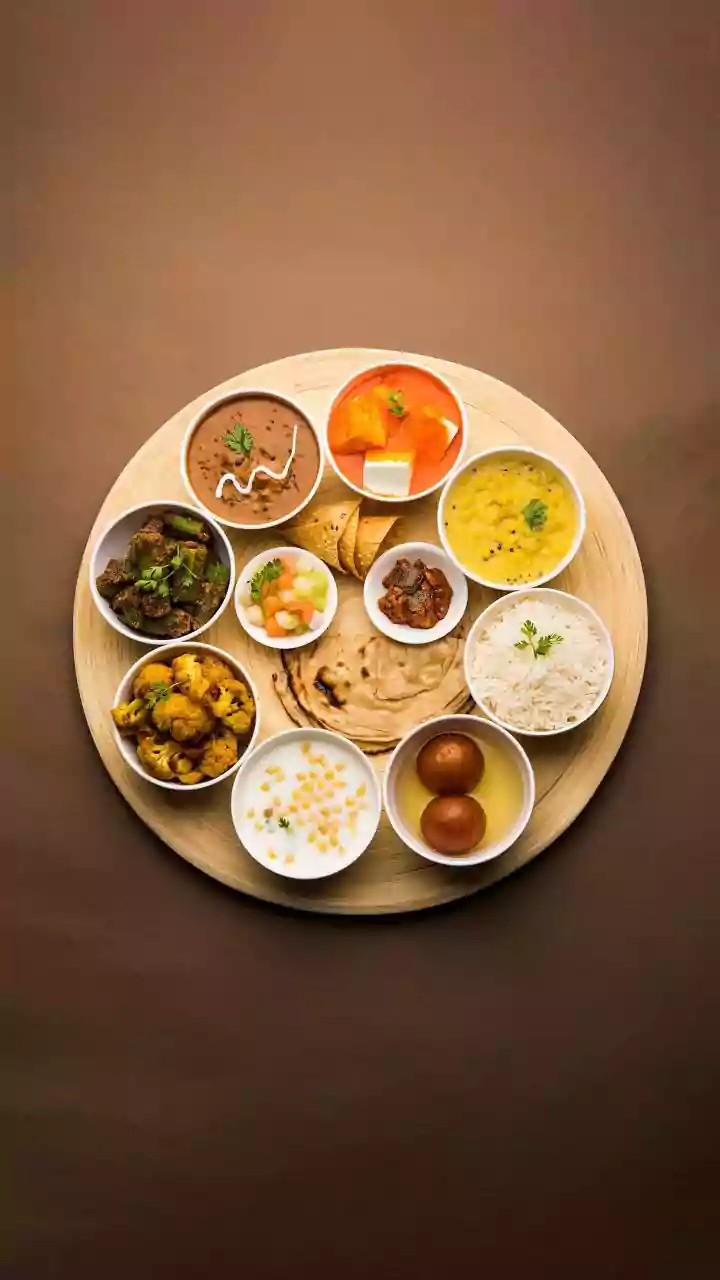
to many within India. While delicious, these dishes offered a simplified narrative. Today, that narrative is being rewritten. Social media feeds are increasingly showcasing the incredible diversity of India's culinary landscape. Previously under-represented regional specialties like Maharashtrian pithla-bhakri, Tamil kuzhambu, and Bengali shorshe ilish are finally getting the recognition they deserve. This shift marks a move away from a generic, pan-Indian menu towards a more nuanced and authentic celebration of the country's rich food heritage. Consumers, especially younger urban Indians, are driving this change, showing a growing curiosity for food stories, indigenous ingredients, and the cultural practices behind the dishes they see online.
The Rise of the Regional Creator
This culinary renaissance isn’t happening by accident. It’s being led by a new generation of food creators who are turning their cameras towards their own kitchens. Home cooks have become influencers, and grandmothers’ traditional recipes are going viral. These creators are not professional chefs in sterile studios; they are authentic voices from different parts of the country, sharing family recipes and local food traditions with pride. Influencers like Uma Raghuraman (@masterchefmom) champion home-cooked meals with a South Indian focus, while others are reviving forgotten recipes from remote corners of the country. Their content feels personal and trustworthy. By showcasing step-by-step instructions for complex dishes, they make regional cooking feel accessible, breaking down the fear of complicated recipes and demonstrating that anyone can participate in these rich culinary traditions.
A Search for Authenticity
Why is this happening now? The trend towards hyperlocal food is, in part, a reaction against the overly polished and often-homogenized content that dominated platforms like Instagram. Viewers are seeking genuine connection and stories with depth. Hyper-regional cuisine provides just that. It’s a movement that celebrates India’s extraordinary diversity, one dish at a time. Each recipe carries with it stories of a specific place, its people, and its history. This search for authenticity has also fueled a business boom. Cloud kitchens are launching hyper-local menus, and food delivery platforms report a significant rise in orders for regional specialties. The movement is more than a trend; it's a rediscovery of cultural identity, ensuring that culinary traditions are preserved and passed on to a new generation.
From Screen to Table
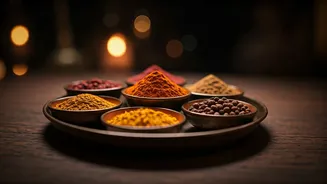
The impact of this digital shift extends far beyond the screen. What starts as a viral reel is influencing what we eat in the real world. Restaurants are reinventing their menus, moving beyond standard fare to offer tasting experiences dedicated to regional discovery. Chefs are increasingly looking to heritage recipes for inspiration, reinterpreting them for modern palates. This has also created new markets for indigenous ingredients that were once confined to local communities, such as Manipuri black rice or Kodava spices. Even small street food vendors have found global audiences, with viral videos turning local stalls into must-visit destinations overnight. The line between discovering food online and experiencing it has blurred, creating a dynamic cycle where digital trends directly shape our dining landscape.