



Fullness vs. Pain: Know the Difference
It’s crucial to understand what your body is telling you. Fullness is a familiar sensation of satiety after a large meal. You might feel stretched or need to loosen your belt, but it isn't painful. Bloating is the next step, often described as a feeling
of pressure or trapped gas, and can be uncomfortable. It may or may not come with visible distension, where your belly looks larger. Persistent pain, however, is a red flag. This isn’t just the discomfort of a full stomach; it's a sharper, more consistent ache, cramping, or burning sensation that doesn't ease up. While fullness and bloating are typically temporary results of overeating, persistent pain could signal an underlying issue that needs attention.
The Goal: A Gentle Reset, Not a Harsh Detox
After days of rich foods and sweets, the temptation to jump into a restrictive 'detox' or juice cleanse is strong. However, experts advise against this. Your body, particularly your liver and kidneys, is already equipped with a natural detoxification system. A harsh cleanse can be counterproductive, leaving you low on energy and potentially disrupting your gut's delicate balance. The goal of a post-festival reset is not to punish your body but to support its recovery. It's about being gentle, reducing the digestive load, and providing nourishment that helps you feel lighter and more energised.
Step 1: Hydrate and Move Gently
The first 24 hours are about simplicity. Focus on hydration to help your system flush out excess salt and aid digestion. Water is your best friend. Herbal teas containing ginger, peppermint, or chamomile are also excellent choices, as they can help soothe your stomach and reduce gas. Avoid carbonated drinks, which can increase bloating. It might feel tempting to lie down after a heavy period of eating, but this can worsen acid reflux. Instead, try a light walk. Gentle movement stimulates digestion and helps stabilise blood sugar levels. Avoid strenuous workouts, as they can divert blood flow away from your digestive system, slowing down the process.
Step 2: Reintroduce Simple, Soothing Foods
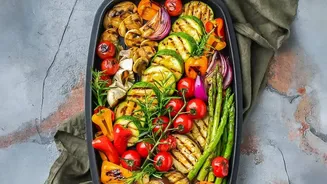
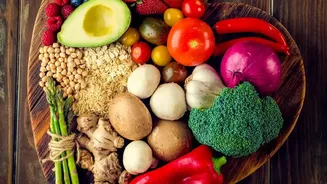
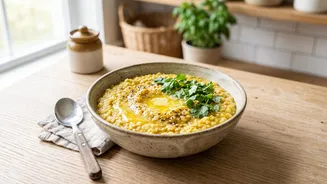
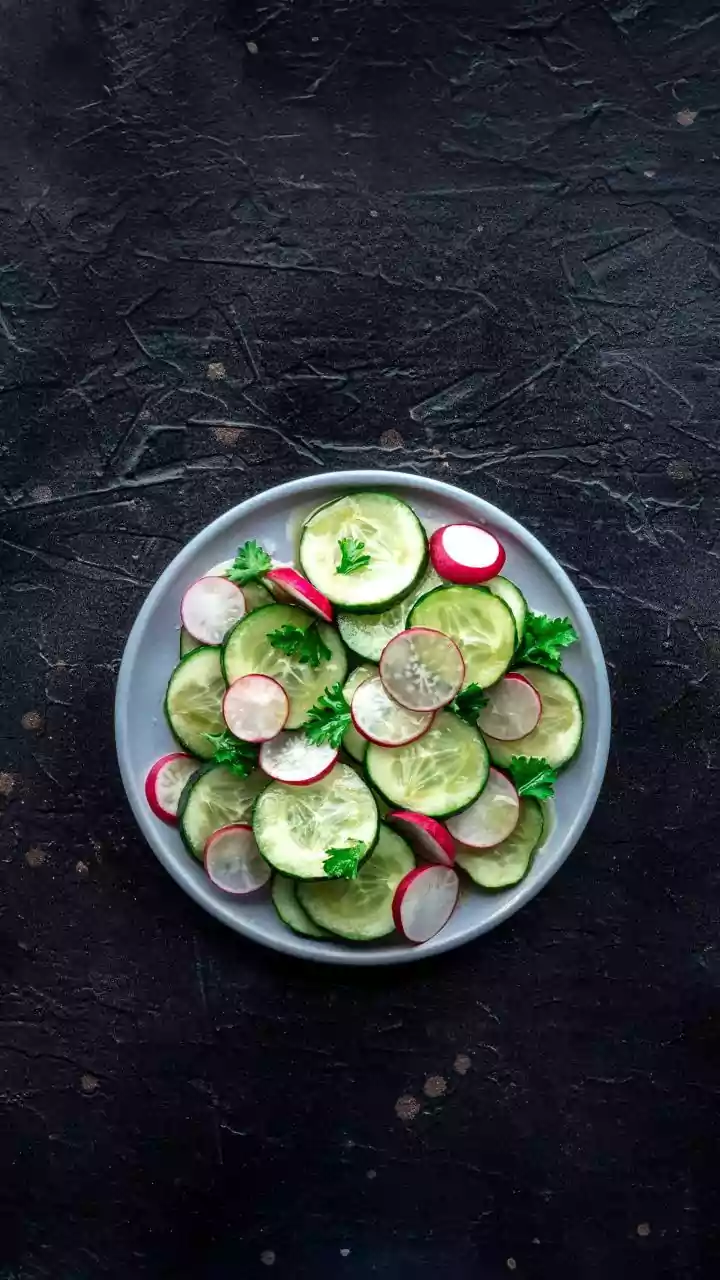
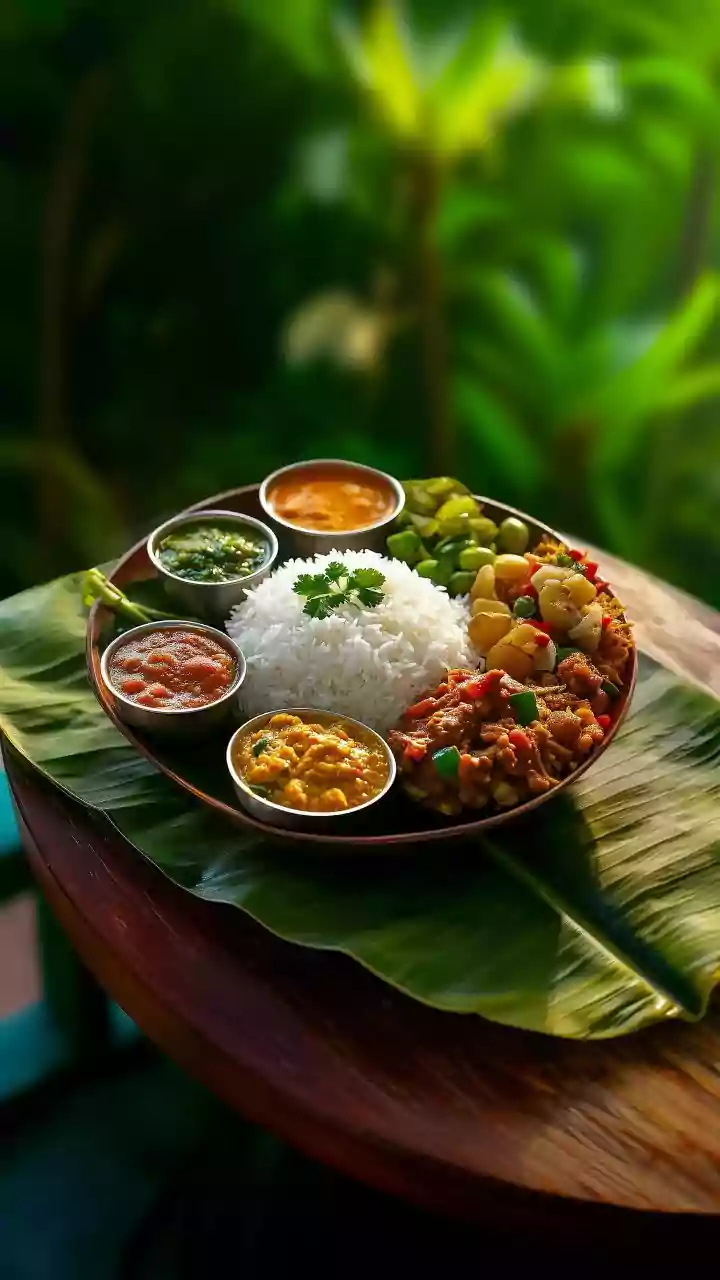
After giving your digestion some rest, slowly bring in simple, easy-to-digest foods. Think warm, soft, and comforting. A classic bowl of khichdi (made with minimal ghee), plain dal, and steamed vegetables are perfect options. Soups, particularly clear broths with well-cooked vegetables, are hydrating and nourishing. Probiotic-rich foods like plain yoghurt (dahi) can help restore a healthy balance to your gut bacteria. For a few days, focus on whole foods and avoid anything that is overly processed, fried, or loaded with sugar and salt. The idea is to give your digestive system a vacation from hard work.
When Persistent Pain Needs a Doctor
If your discomfort goes beyond bloating and becomes persistent pain, it's time to listen closely. Occasional indigestion is normal, but you should seek medical advice if you experience pain that is severe, sudden, or doesn't go away. Other warning signs include pain accompanied by fever, unintentional weight loss, persistent nausea or vomiting, blood in your stool, or a significant change in your bowel habits. These symptoms are not a normal part of post-festival recovery and could point to conditions like gastritis, GERD, gallstones, or other digestive issues that require a professional diagnosis.