
The Mystique of Royal Routines
There is an enduring glamour attached to the lives of royals that extends to the most personal of details: their beauty regimens. This fascination isn't just about achieving a flawless complexion; it's about connecting with a story of heritage, discipline,
and opulence. When we learn of a skincare ritual passed down through generations or a product favoured by a contemporary princess, it feels like uncovering a secret to a more graceful and timeless existence. These stories blend history with aspiration, suggesting that beauty can be both a tradition and an art form. This powerful narrative is something the modern beauty industry understands and leverages with incredible success.
Ancient Rituals and Enduring Ingredients
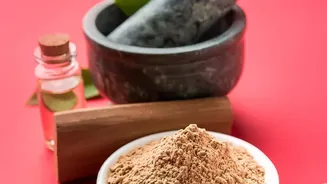
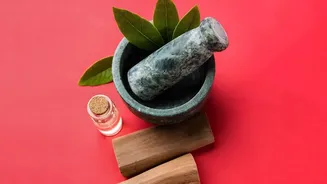
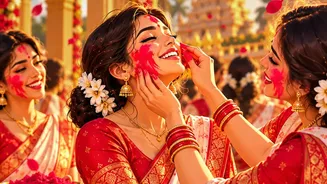
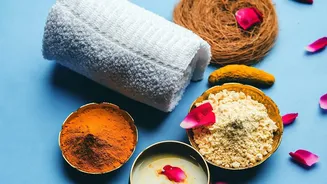
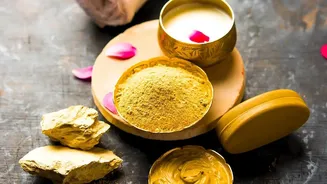
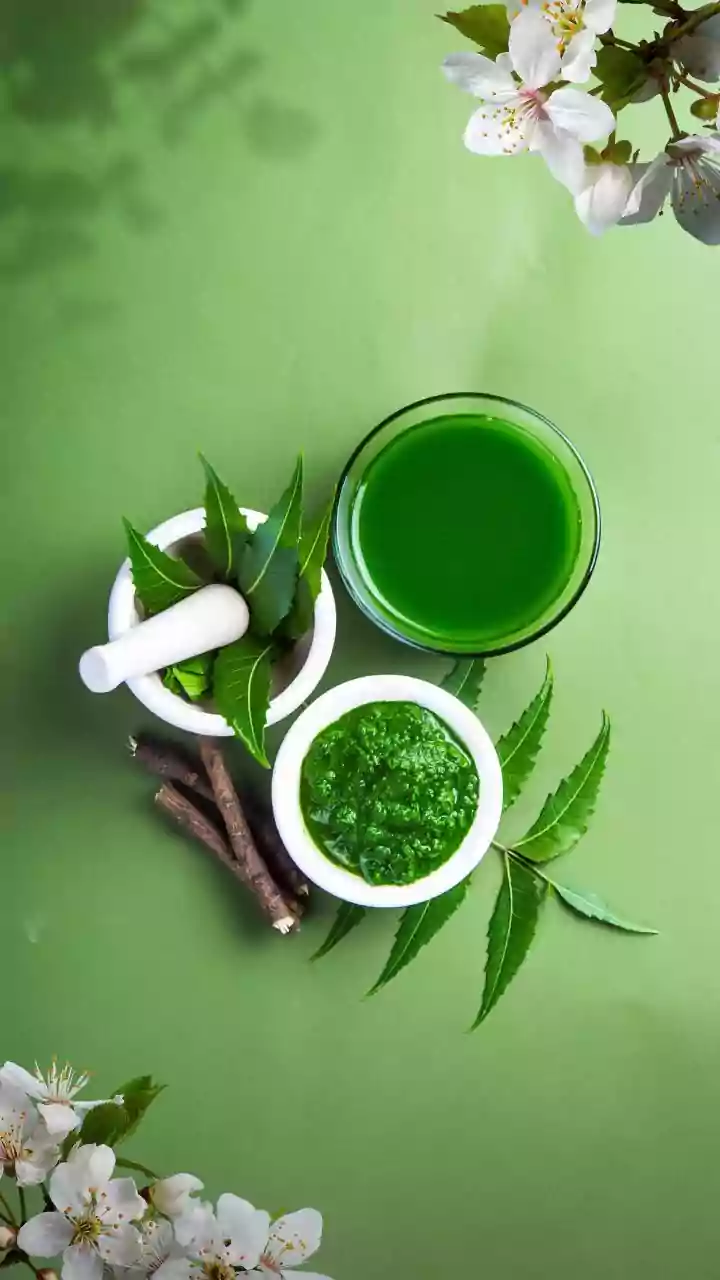
Long before 'clean beauty' became a buzzword, royals were harnessing the power of nature. The legends of Cleopatra's milk and honey baths are well-known; the lactic acid in milk and the antibacterial properties of honey were used to soften and clarify her skin. Similarly, Mughal Empress Nur Jahan was said to have discovered rose oil during one of her lavish baths filled with rose petals, leading to the use of rosewater as a refreshing facial mist. In India, royal women have long relied on Ayurvedic traditions. Maharani Gayatri Devi, celebrated for her classic beauty, reportedly used natural ingredients like henna for her hair. These ancient practices, centred on ingredients like turmeric, sandalwood, and natural oils, highlight a deep-rooted belief in holistic wellness that has been passed down for centuries.
From Palace Secret to Public Knowledge
How do these once-private routines become public knowledge? Historically, it was through court records, biographies, and art. Today, the process is far more direct. The 'Royal Warrant of Appointment' is a mark of recognition for brands that have supplied goods or services to the households of British royalty for at least five years. Brands like Clarins, Elizabeth Arden, and Molton Brown have all held this coveted seal, giving them an unparalleled stamp of approval. While a warrant confirms a brand is used in the royal household, it doesn't specify which products a particular royal prefers. Those details often emerge through media reports, insider leaks, and the much-talked-about 'Kate Effect', where a product seen with or reportedly used by the Princess of Wales sells out almost instantly.
The Modern Royal Influence
Contemporary royals, particularly the Princess of Wales, wield enormous influence. While she maintains a discreet silence on her specific routine, certain products have become famously associated with her. Trilogy's Certified Organic Rosehip Oil gained global fame after it was reported that she used it during her pregnancy to maintain her glowing complexion. The oil, praised for its hydrating and repairing properties, saw its sales soar. Other products reportedly in her rotation include Biotulin Supreme Skin Gel, an organic gel recommended to former First Lady Michelle Obama, and Lancôme's Hydra Zen moisturiser. This illustrates a shift from opulent, unattainable rituals to accessible, high-quality products that resonate with a modern consumer's desire for effective and often natural skincare.
Heritage as a Marketing Powerhouse
For beauty brands, a royal connection is more than just a celebrity endorsement; it's a powerful marketing narrative that blends tradition with credibility. Heritage brands expertly turn their history into a digital asset, using storytelling to connect with new generations of consumers on platforms like TikTok and Instagram. This strategy isn't just about claiming a royal used a product once; it's about embedding the brand within a larger story of timeless quality and elegance. Whether through an official Royal Warrant or a carefully nurtured historical association, the 'royal-approved' tag allows brands to stand out in a saturated market. It transforms a simple moisturiser or oil into a piece of a legacy, offering consumers a chance to buy into a world of aspirational beauty.