






Embrace Ventilation
The first and most crucial step is to improve air circulation. The primary cause of musty odours is trapped moisture that encourages mould and mildew growth. Whenever the rain subsides, even for a short while, open your windows and doors to allow for cross-ventilation.
Letting in any available sunlight is also a powerful natural disinfectant that helps dry out damp spots. Make it a habit to also open cupboards and wardrobes to let air circulate inside.
Harness the Power of Camphor
Camphor is a traditional Indian household remedy for a reason. Its strong, crisp fragrance is excellent at neutralising odours, and it possesses natural anti-fungal and moisture-absorbing properties. Place a few camphor balls in small muslin pouches and tuck them into the corners of wardrobes, drawers, and bathrooms. For a whole-home effect, you can even crumble a small piece of camphor into your mop water, which acts as a natural disinfectant for your floors.
Utilise Vinegar and Baking Soda
This dynamic duo is a powerhouse for cleaning and deodorising. White vinegar is acidic and can kill most species of mould and mildew. Create a spray by mixing equal parts white vinegar and water, then spray it on surfaces prone to mould, like bathroom tiles or window sills. Let it sit for an hour before wiping clean. Baking soda is a fantastic odour absorber. Place open bowls of baking soda in closets or sprinkle it on carpets, leave for a few hours, and then vacuum it up to neutralise smells. For drains, a combination of baking soda followed by vinegar can clear odours.
Deploy Moisture Absorbers Like Charcoal and Salt
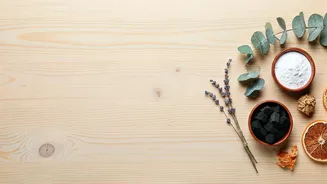
Activated charcoal and rock salt are brilliant natural dehumidifiers. They work by absorbing excess moisture from the air, which is the root cause of dampness. Place bowls of charcoal briquettes or rock salt in damp corners, basements, or closets. Charcoal has the added benefit of filtering impurities and odours from the air. These are low-maintenance solutions that can be very effective in small, enclosed spaces.
Rely on Neem Leaves
Neem has been used for centuries in India for its potent antibacterial and antifungal properties. Dried neem leaves can be placed in cupboards and between clothes to protect them from dampness and keep insects at bay. You can also create a spray by boiling neem leaves in water, straining the liquid, and using it to wipe down surfaces. Neem oil mixed with water also works as a powerful spray to deter pests and prevent fungal growth.
Diffuse Essential Oils
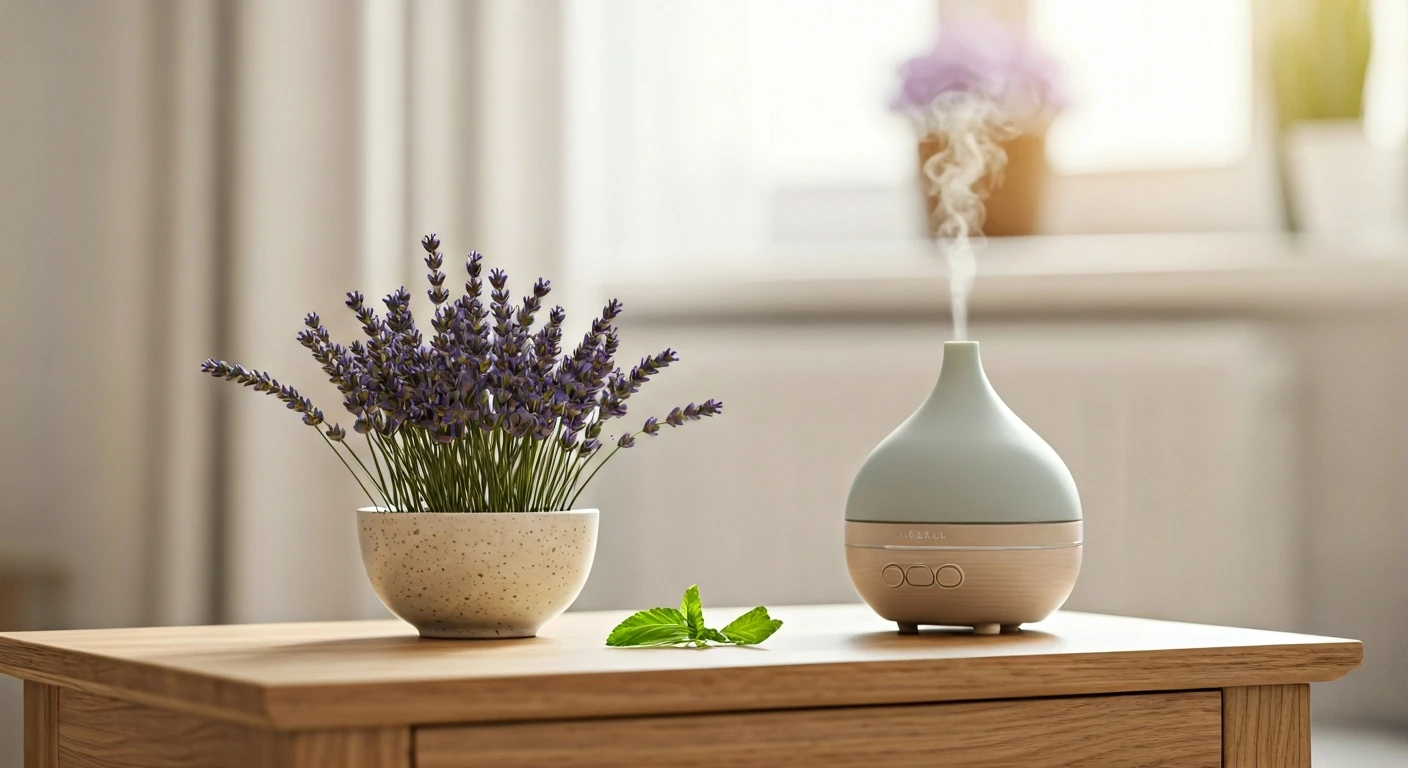
Instead of masking odours with chemical air fresheners, use essential oils that have natural antifungal properties. Oils like lemongrass, tea tree, eucalyptus, clove, and cinnamon are particularly effective. Add a few drops to a diffuser to purify the air and leave your home with a pleasant, natural scent. You can also create a room spray by mixing your favourite essential oil with water in a spray bottle and spritzing it on curtains and linen for a quick refresh.
Don't Forget Coffee Grounds
Used coffee grounds are another excellent natural deodoriser. Once dried, they can be placed in an open bowl inside your refrigerator or cupboards to absorb strong smells. Similar to baking soda and charcoal, coffee grounds work to neutralise odours rather than just covering them up, leaving the space smelling fresh.