
Beyond the Usual Suspects
For many, a high-protein vegetarian meal in India has long been synonymous with a bowl of dal or a paneer-based curry. While these are fantastic sources, a growing awareness around nutritional diversity and wellness is encouraging a shift. Health-conscious
individuals are looking to broaden their protein palette without relying on expensive, processed products like whey powders or mock meats. This movement isn't about importing exotic superfoods; instead, it's about rediscovering the immense nutritional wealth already present in traditional Indian agriculture and culinary heritage, bringing forgotten ingredients back to the forefront.
The Resurgence of Ancient Grains and Millets
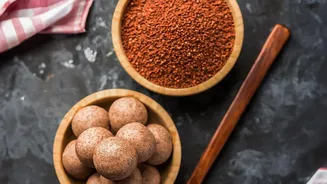
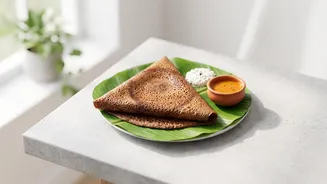
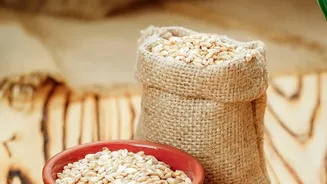
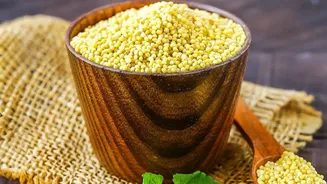
Millets like bajra (pearl millet), jowar (sorghum), and ragi (finger millet), along with pseudocereals like amaranth (rajgira), are stepping back into the spotlight. Once considered humble fare, these grains are now celebrated for their impressive nutritional profiles. Amaranth, for instance, is a protein powerhouse and was a staple for thousands of years. Bajra contains around 11.6 grams of protein per 100 grams, making it a robust addition to any meal. These grains are not just being used for traditional rotis; they are being creatively incorporated into porridges, salads, and even baked goods, offering a gluten-free and protein-rich alternative to wheat and rice.
Rediscovering a World of Legumes
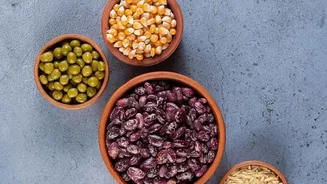
The world of Indian legumes extends far beyond the common toor and moong dal. Lesser-known varieties are gaining recognition for their potent health benefits and high protein content. Horse gram (kulthi), for example, packs around 22 grams of protein per 100 grams and is rich in iron, calcium, and antioxidants. It has traditionally been used in regional cuisines and is now being hailed as a superfood for its potential benefits in weight management and kidney health. Similarly, black-eyed peas (lobia) and a wider variety of chickpeas (chana) and kidney beans (rajma) are being used more frequently, providing not just protein but also essential fibre and minerals.
The Humble Power of Flours
Sattu, a flour made from roasted gram (chana), is a traditional superfood from regions like Bihar and Uttar Pradesh that is rapidly gaining nationwide popularity. It's an incredibly versatile and affordable protein source, containing an impressive 20-25 grams of protein per 100 grams. While traditionally consumed as a cooling summer drink, sattu is now being used to make protein-rich rotis, parathas, and even energy-boosting ladoos. Its high fibre content aids digestion and promotes satiety, making it an excellent addition to any diet. Because the roasting process makes it highly digestible, it stands out as a superior whole-food alternative to many processed protein supplements.
Seeds: Not Just a Garnish Anymore
Seeds are transitioning from a minor garnish to a major nutritional component in modern Indian vegetarian cooking. Hemp seeds (bhang ke beej), traditionally used in Pahadi cuisine like bhang ki chutney, are now recognized as a complete protein source. The seeds, which are non-psychoactive, can be easily sprinkled over dals, salads, and smoothies to boost their protein content. They can be mixed into chapati dough or used in stuffings for parathas. Along with hemp, other seeds like pumpkin, sunflower, and flaxseeds are also being incorporated more deliberately into daily meals, valued for their combination of protein, healthy fats, and fibre.