




A well-made spiced rice bowl is more than just a quick meal; it's a universe of flavour, texture, and comfort. But moving from a plain scoop of rice to a perfectly balanced bowl requires a little thought. Here's how to do it.
The Foundation: Perfect Basmati Rice
The heart of any great rice
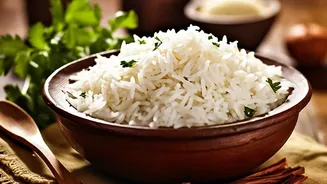
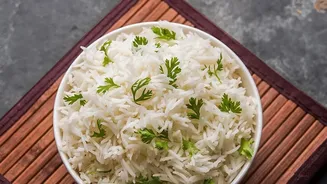
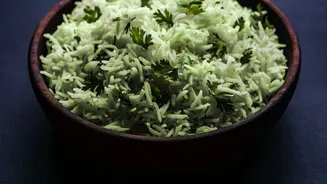
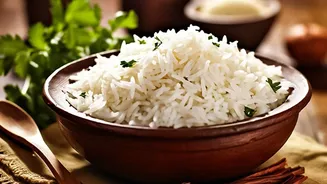
bowl is, of course, the rice itself. For spiced dishes, long-grain basmati is the ideal choice. Its slender grains have a distinct, nutty aroma and a wonderful ability to remain separate and fluffy when cooked correctly, allowing them to absorb spices without turning mushy. To begin, always rinse your rice. Place one cup of basmati in a bowl and wash it with cold water, swirling with your hands, until the water runs mostly clear. This crucial step removes excess surface starch that causes stickiness. For even longer, fluffier grains, consider soaking the rinsed rice in fresh water for 20-30 minutes before cooking, then draining it well. This allows the grains to hydrate evenly, reducing cooking time and helping them expand to their full length.
A Foolproof Cooking Method
While rice cookers are convenient, mastering the stovetop absorption method gives you more control. For one cup of rinsed and drained basmati, the ideal water ratio is 1.5 cups. In a heavy-bottomed pot with a tight-fitting lid, bring the water and a pinch of salt to a boil. Add the drained rice, give it one gentle stir to prevent sticking, and let it return to a simmer. Once the surface is bubbling, reduce the heat to the absolute lowest setting, cover the pot tightly, and cook for 12-15 minutes. The most important rule is not to lift the lid during this time; this traps the steam that cooks the grains perfectly. After the time is up, turn off the heat and let the pot stand, still covered, for another 5-10 minutes. This resting period allows the moisture to distribute evenly and the grains to firm up. Finally, fluff the rice gently with a fork, never a spoon, to separate the grains without breaking them.
Building Layers of Spice
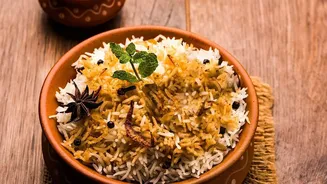
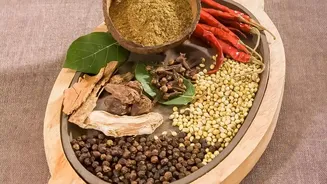
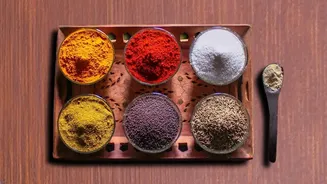
Spicing a rice bowl is about building flavour in layers, not just dumping in a spice mix at the end. The most effective technique is known in Indian cooking as 'tadka' or tempering, which involves blooming spices in hot fat like ghee or oil to unlock their essential oils. Start by heating a tablespoon of ghee or oil in a pan. Add whole spices like cumin seeds, cloves, a small cinnamon stick, or green cardamom pods. Let them sizzle for about 30 seconds until fragrant before adding aromatics like finely chopped onion, garlic, or ginger. Once the onions are soft, you can add ground spices like turmeric, coriander, or a mild curry powder and cook for another minute to toast them. This seasoned oil can then be stirred into the freshly cooked rice, infusing every grain with deep, aromatic flavour.
The Art of Assembling the Bowl
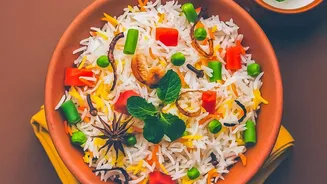
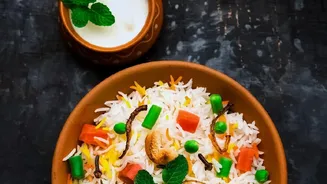
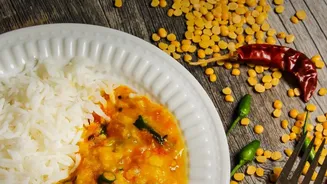
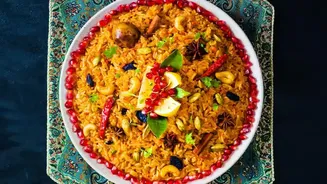
A truly satisfying rice bowl balances four key elements: the spiced rice base, a hearty protein, colourful vegetables, and a finishing touch of sauce and texture. Think of it as a customisable template. For protein, consider spiced chickpeas, grilled paneer, lentils, shredded cooked chicken, or a simple fried egg. Vegetables can be anything from fresh, crunchy elements like grated carrots, cucumber, and chopped red onion, to roasted vegetables like sweet potato or bell peppers. A simple sauce or condiment ties everything together. A dollop of plain yoghurt or raita can cool the heat, while a squeeze of lemon or a tangy tamarind chutney adds brightness. Finally, don't forget texture. A sprinkle of toasted nuts like peanuts or cashews, fresh cilantro or mint, or some crispy fried onions can elevate the entire dish from good to great.